
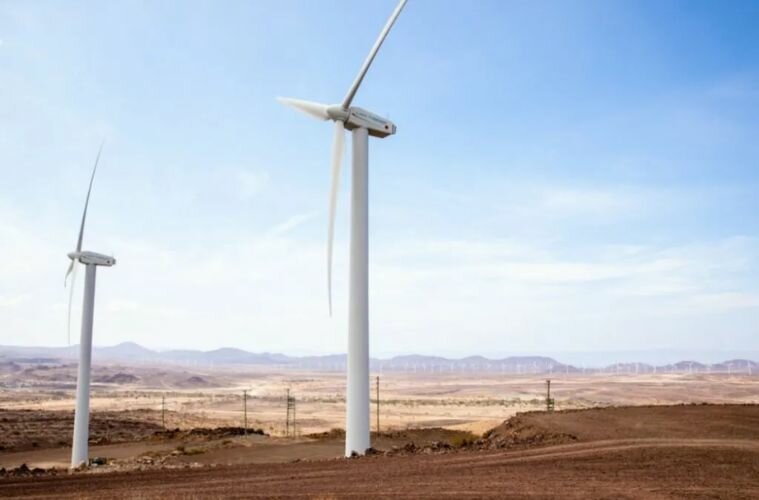
Africa's transmission networks are falling behind power demand, renewable generation, and the industrial corridors governments hope to develop.
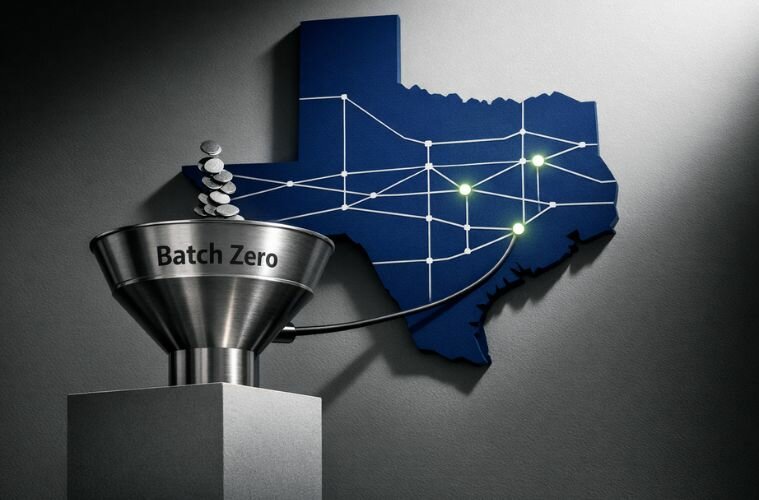
ERCOT's new Batch Zero framework, the first ISO in the nation to use a batch process, will decide how large loads access scarce grid capacity.

Syngenta and Groundwork BioAg are pairing fungal crop inputs with soil carbon programs. Farmers could gain soil benefits and fresh revenues from carbon credits.

A Wyoming Supreme Court ruling affirms that counties can use land-use zoning, not just environmental permitting, to protect drinking water sources.

New York paused new data center permits under Executive Order 62 while the state completes an environmental review and community investment framework.

India's electricity demand is outpacing transmission buildout, creating grid connection risk for manufacturers evaluating the country for new facilities.

Georgia regulators are investigating whether data centers on Georgia Power's Real-Time Pricing rate are shifting fuel costs onto residential customers.

Airengy and Nobian are studying a Danish salt cavern for energy storage. The project could store 2.5 GWh and supply 3 MW to 10 MW over long periods when needed.
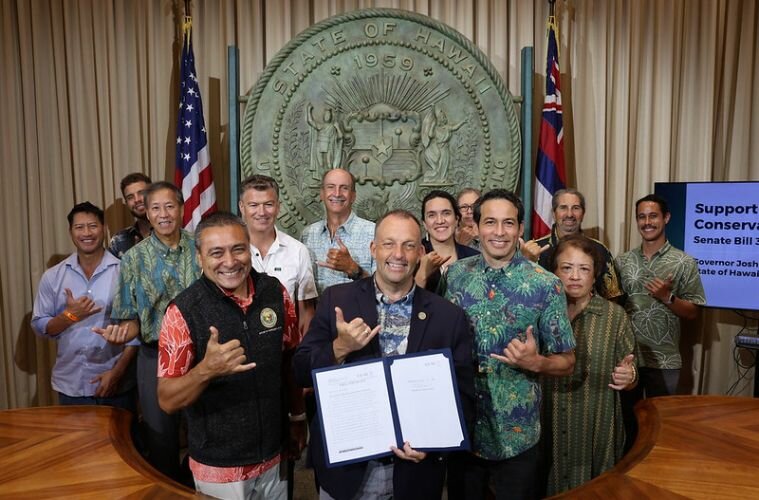
Hawaii formally recognized the Hawaii Conservation Sanctuary, a nonprofit modeled on New Zealand's Zealandia, for endangered species recovery work.
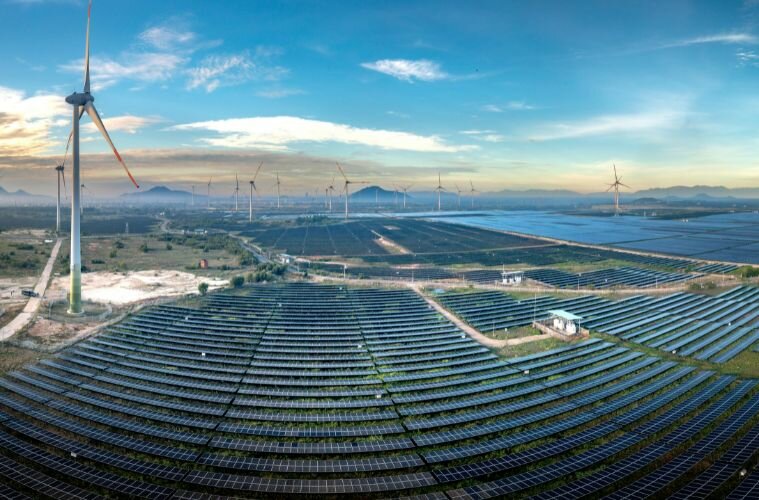
Vietnam and Malaysia are expanding transmission capacity in anticipation of future semiconductor demand, treating grid readiness as industrial strategy.

FERC denied a waiver for the $2 billion Chestnut Run gas plant, showing how equipment supply constraints now collide with PJM's rigid interconnection rules.
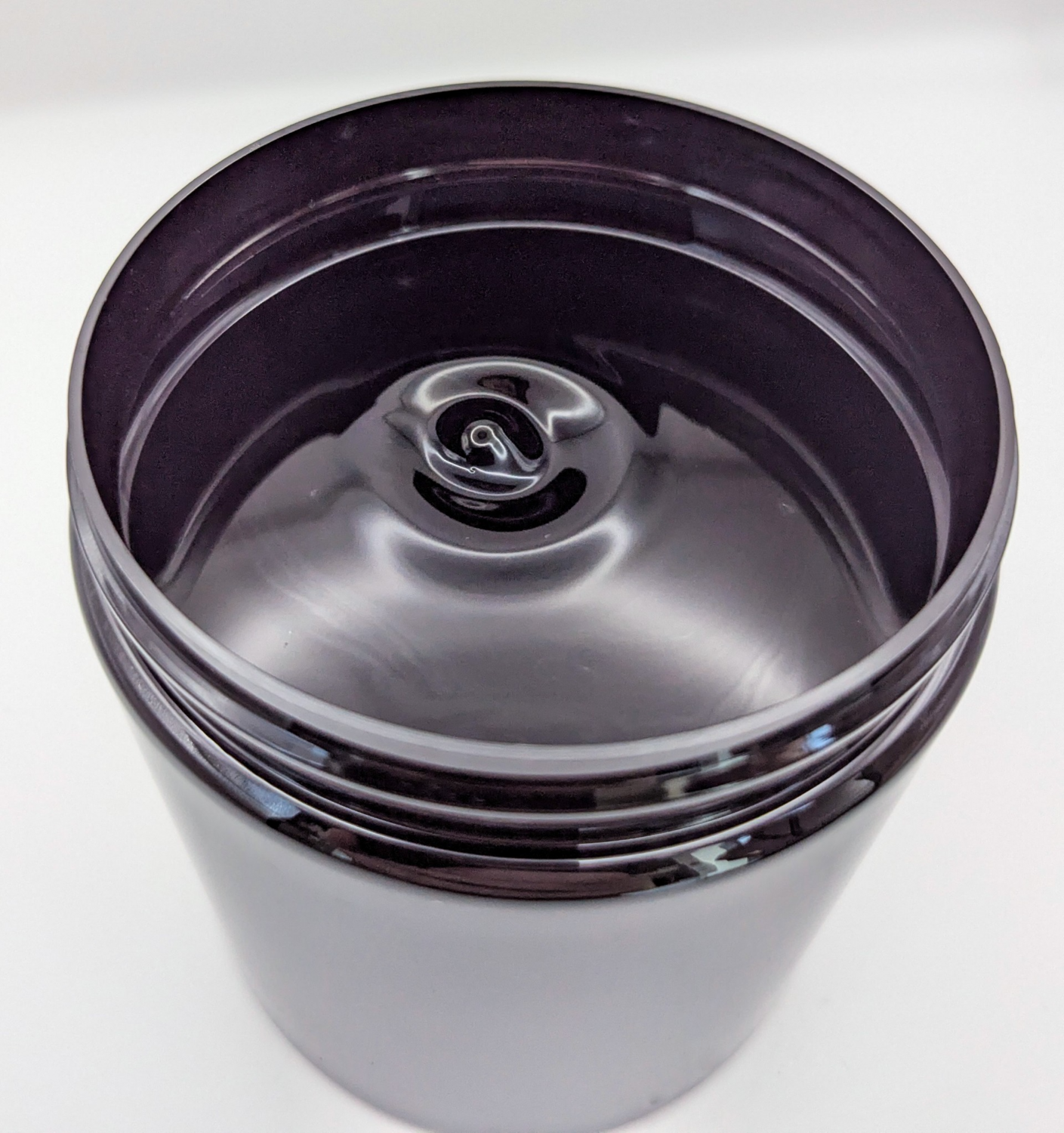
HydroGraph’s new graphene paste aims to ease dispersion challenges. The water-based concentrate targets coatings, concrete, thermal systems and rubber.

Illinois' HB 4456 authorizes utility discount eligibility up to 300% of the poverty level, financed through fixed charges on business accounts as well.

Colorado's Local IMPACT Accelerator is funding all-electric building codes in six jurisdictions, each required to exceed the newly adopted statewide MLECC.

NATO's new 5% GDP spending target could add millions of tonnes of emissions yearly, an SGR analysis finds, as the alliance's own climate targets stall.
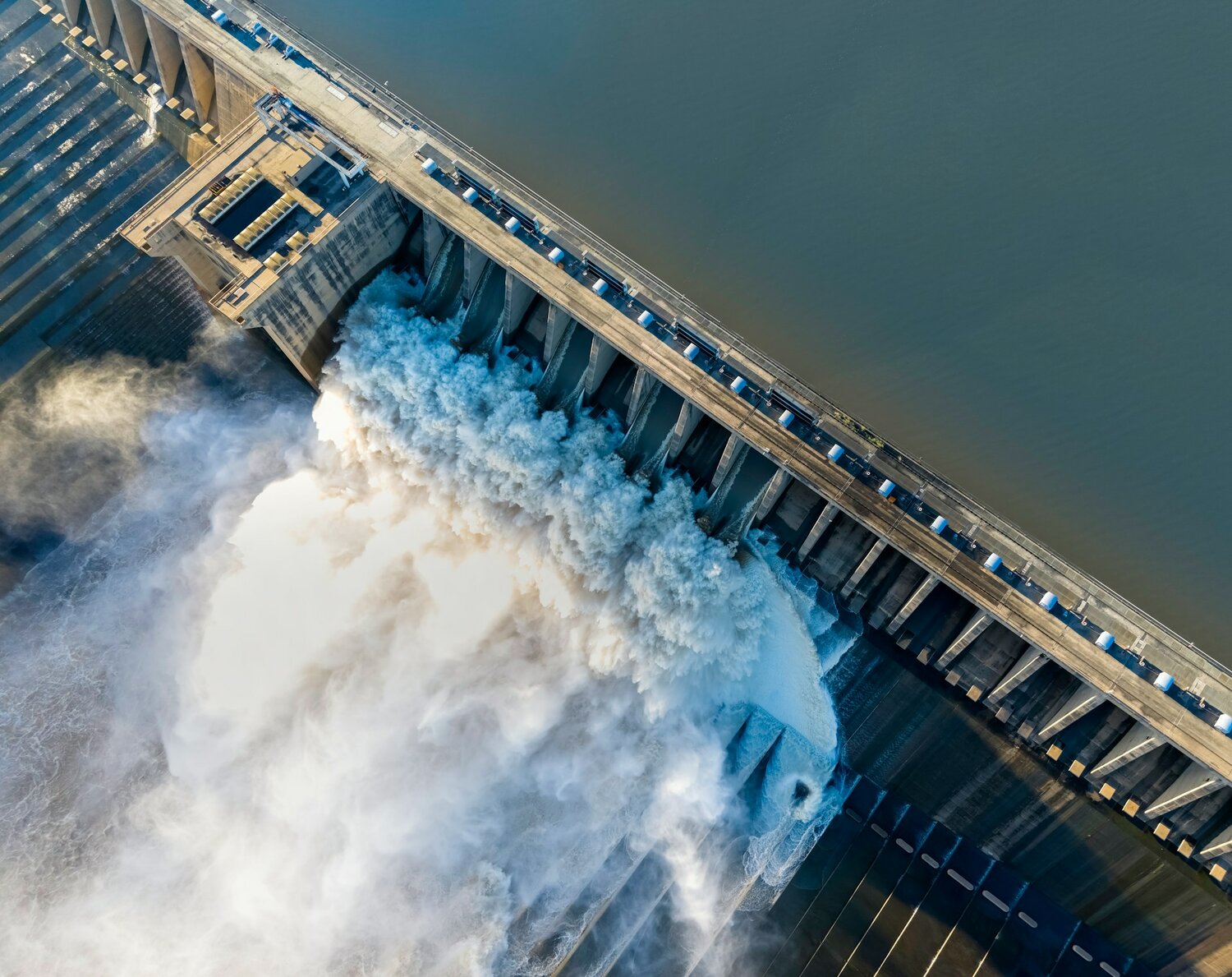
Europe’s renewable boom is exposing gaps in grid flexibility. Pumped storage is gaining attention as negative prices, heat and curtailment rise.
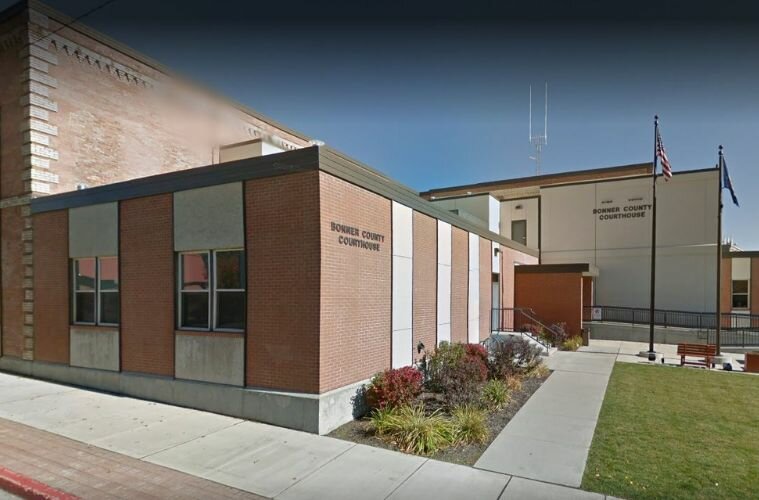
Idaho's Supreme Court ruled two adjacent minor land divisions functioned as one subdivision, subjecting MLD filings to judicial review under state land use law.

FERC has opened public comment on Freeport LNG's plan to remove import equipment left unused since shale gas turned the Texas terminal into an export facility.

Power, water, and permitting risk now belong in board-level due diligence, not just management's site selection memo. Here are five questions to ask.
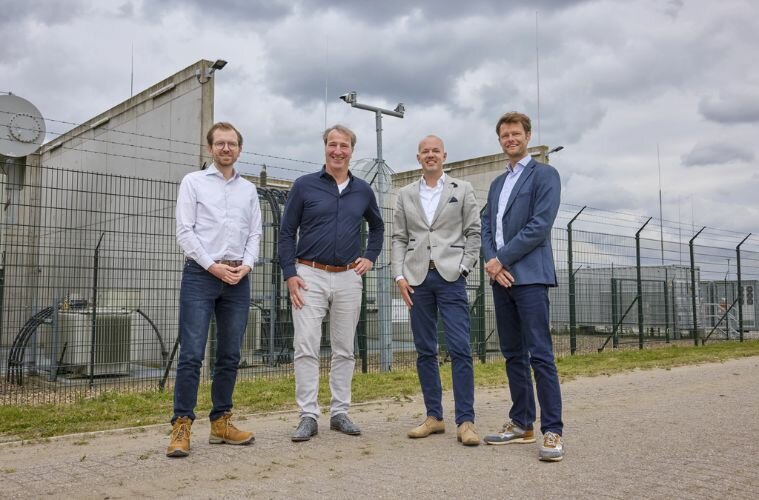
Windpark Zeewolde is pairing Europe's largest onshore wind farm with a new hydrogen-iron flow battery built for 10 to 40 hours of storage, not four.