
Wind and solar are expanding quickly across Europe, but grid flexibility is not growing at the same pace. Solar generation increased by 16% in 2025 compared with the previous year, adding more low-carbon electricity to the system. However, congestion, limited storage and slower transmission development mean not all of that power can be used when it is produced.
Wholesale markets are already showing the impact. In 2025, countries including the Netherlands, Germany, Sweden, Spain, Belgium and France recorded more than 500 hours of negative electricity pricing. These events usually occur when renewable output exceeds available demand or grid capacity, forcing prices below zero.
For energy-intensive businesses, utilities and infrastructure investors, the signal is clear. Europe does not only need more renewable generation. It also needs more ways to shift, store and dispatch electricity when the system needs it.
Gas-fired power still plays a major role in balancing supply and demand, keeping energy security and affordability high on the policy agenda. Continued fuel-price volatility and geopolitical uncertainty are adding pressure to develop domestic flexibility resources that can reduce reliance on imported energy while supporting electrification.
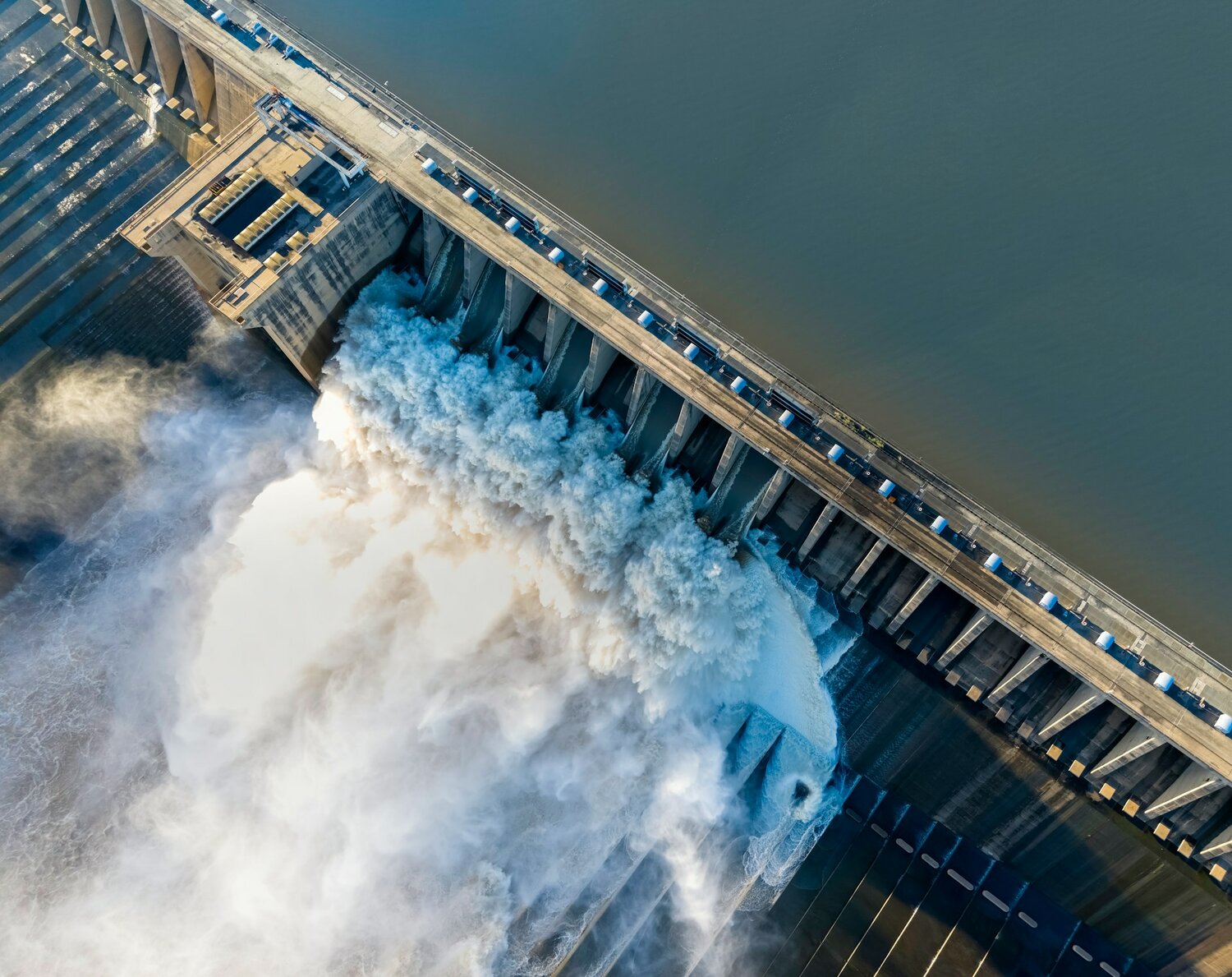
Pumped storage is well placed in that discussion because it can store large volumes of electricity over long durations. When renewable output is high, electricity is used to pump water to an upper reservoir. When demand rises or supply tightens, that water is released through turbines to generate power.
Globally, pumped storage capacity has now passed 200 GW, with 243 GW under construction and a further 621 GW in the development pipeline. Total hydropower capacity reached 1,469 GW by the end of 2025, making it the world’s largest source of renewable electricity.
In Europe, the identified pipeline includes 59 GW of pumped storage and 8 GW of conventional hydropower. The scale of that pipeline reflects rising confidence in the role of long-duration storage, but delivery remains dependent on policy design, market reform and permitting.
Policy support for pumped storage is becoming more visible. The Paris Pledge, backed in 2025 by more than 50 organisations, called for faster permitting, revenue stabilisation mechanisms and clearer recognition of long-duration storage in EU policy.
At national level, the UK’s proposed cap-and-floor mechanism for long-duration energy storage is being watched closely by the sector. By offering more predictable revenue conditions, the model could help reduce investment risk for projects that provide system value but do not always receive consistent market returns.
At EU level, the European Commission’s proposed Grids Package could also support storage development by improving grid planning, prioritising cross-border energy corridors and accelerating permitting for strategic infrastructure.
Several major European projects advanced in 2025. Austria opened the 480 MW Limberg III pumped storage plant, Germany approved the 300 MW Riedl facility near Passau, Lithuania continued expansion work at Kruonis and Estonia launched an international tender for its first pumped storage project at Paldiski. Spain also commissioned the first pumping station at the Valdecañas pumped storage project, while Norway approved its largest greenfield hydropower development in six decades.
Recent grid stress has made the value of existing assets more visible. The large-scale Iberian blackout affecting Spain and Portugal in April 2025 highlighted the importance of hydropower assets with black-start capability, which can help restore electricity supply after major outages.
Hydropower plants are also increasingly valued for services beyond electricity generation. These include inertia, frequency regulation and reserve capacity, all of which become more important as conventional thermal generation retires and variable renewables take on a larger role.
Even with growing momentum, barriers remain. Lengthy permitting, uncertainty over licence renewals, grid bottlenecks and electricity market structures that do not fully reward flexibility continue to slow investment.
The International Hydropower Association expects global pumped storage capacity to double within 15 years. Stronger policy support could push deployment higher by 2040, particularly if markets begin to place a clearer value on long-duration storage, resilience and system stability.
For Europe, the case for pumped storage is becoming less about adding another clean energy technology and more about making the wider power system work. As more wind and solar come online, water batteries could become a key part of keeping electricity reliable, affordable and usable when demand peaks.


