

Bioeconomy strategies are expanding in 76 countries, but new research finds governance gaps around land, genetic resources, data and benefit sharing.
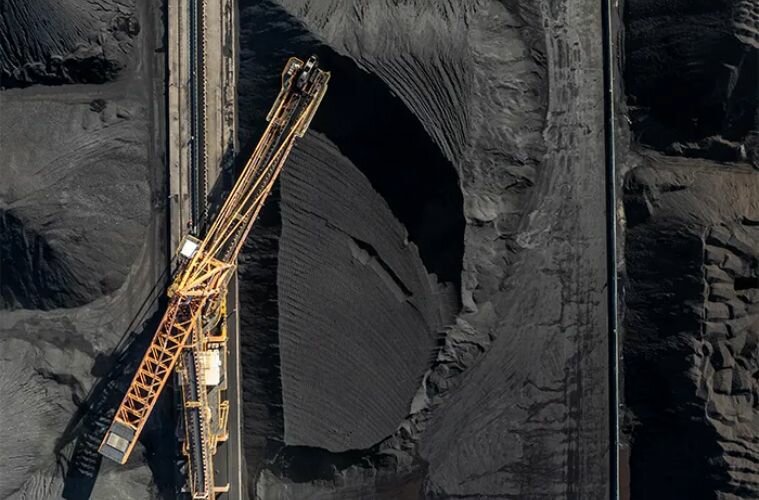
Core Natural Resources subsidiary CONSOL Innovations was selected for a DOE grant to pilot rare earth element recovery from Pennsylvania coal waste.

World Athletics' 2026 midpoint review shows what happens when sustainability stops being a pledge and becomes a contractual deliverable embedded in event hosting requirements.

Colorado CDPHE is accepting applications for its Environmental Justice Grant Program, funding up to 10 projects in pollution-impacted communities.
A structural cost coverage gap in the EU's Extended Producer Responsibility framework is leaving recyclers underfunded, just as the Circular Economy Act opens for reform.

The UK announced a $63.5 million critical minerals investment, funding rare earth magnet manufacturing, recycling projects, and a new industry demand aggregation platform.

Trade tensions, AI infrastructure growth, and resource constraints are forcing executives to rethink assumptions about supply chains and competitive advantage.

A federal class action filed May 28 against EMR Advanced Recycling in Camden, NJ cites more than a dozen fires since 2020, repeated NJDEP violations, and displacement of over 100 families.

Regulators want data with a documented chain of custody. Assurance providers want controls, not commitments. Most corporate sustainability programs were not built for any of those three things.

Nine Florida schools earned Melbourne's 2026 ECO School Awards for integrating sustainability, conservation, recycling, and habitat programs into campus life and community engagement.

Restrooms are an overlooked sustainability opportunity. Smart dispensing, responsible materials, data-driven cleaning, and inclusive hygiene help reduce waste, cut costs, strengthen reputation, and support employee retention.

UNSW's new $5 million research hub aims to prevent a supply chain crisis by tackling Australia’s fast-approaching solar waste problem and accelerating recycling infrastructure.

Employees aren't just participating in Earth Day programs anymore — they're using them to decide whether their company's sustainability values are real or staged.

A $66 billion market shift in food service packaging is being driven by regulation and major buyer mandates.

New research shows U.S. recycling rates hinge on infrastructure access, not intent—reshaping how companies measure sustainability performance.

Closed Loop Partners acquired Sutter Metals this week in its first metals investment. The deal reflects growing pressure to build domestic supply chains for critical materials.

EPA enforcement records are now feeding directly into supplier scoring platforms used by major buyers. For EHS teams, that history is a commercial risk right now.

At WSDS 2026, India's leading researchers and policymakers laid out exactly how dependent the global clean energy transition is on minerals no one has secured yet.

99% of Patagonia's emissions come from places it doesn't directly control.

Researchers have developed a process that dissolves waste PET plastic and converts it into clean hydrogen gas and a commercially valuable agricultural chemical.