
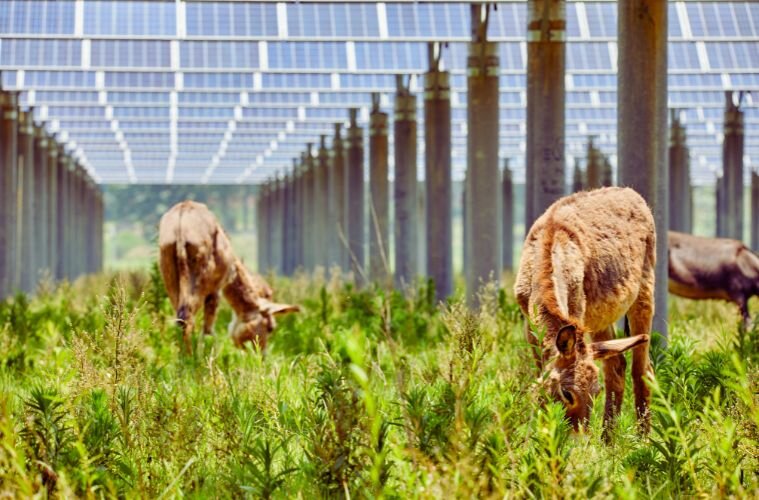
SEIA's new interactive map puts solar's farmland footprint against suburban sprawl and golf courses as Congress debates solar's role in the Farm Bill.
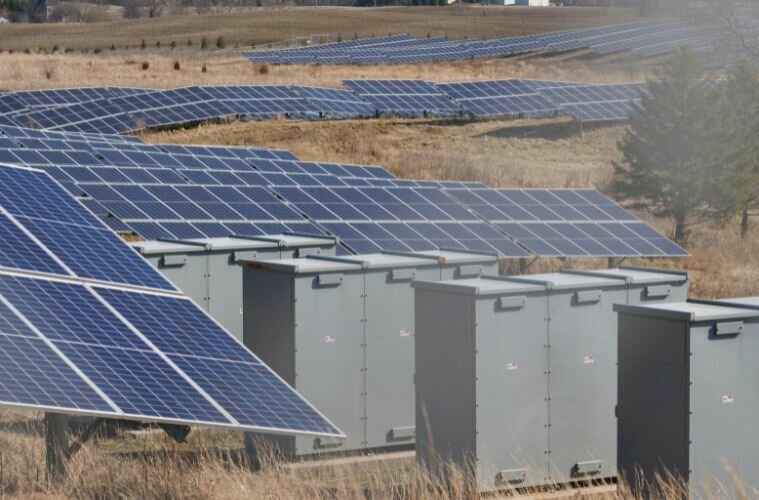
States that voted for President Trump in 2024 accounted for 74% of all solar capacity installed during the quarter, with TX, FL, OH, IN, MI, AZ, and MS ranking among the top ten states for new additions
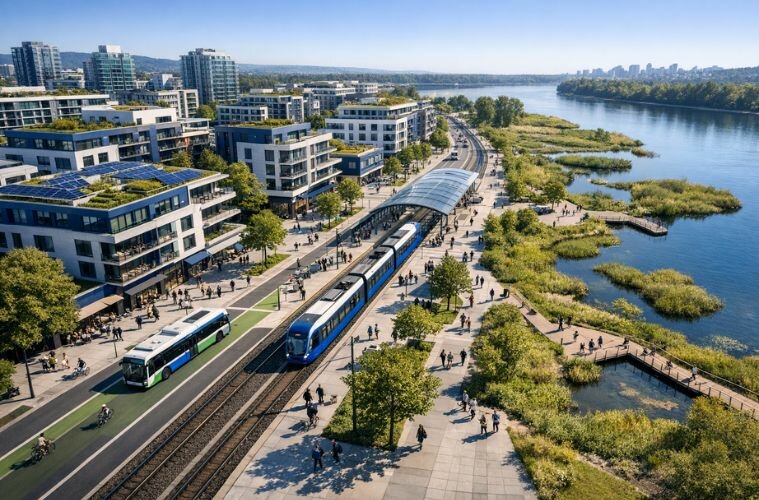
C40 Cities and UN-Habitat's Urban Planning Accelerator launched at the World Urban Forum with 33 cities committing to compact, climate-responsive development by 2035.

Durham's Society 5.0 model shows how integrated infrastructure intelligence is becoming a material factor in corporate investment and workforce decisions in 2026.

Nine Florida schools earned Melbourne's 2026 ECO School Awards for integrating sustainability, conservation, recycling, and habitat programs into campus life and community engagement.

Minnesota SF4504 would allow customers to install small plug-in solar devices without utility interconnection agreements, fees, or approval. Here is what the provision covers.

Employees aren't just participating in Earth Day programs anymore — they're using them to decide whether their company's sustainability values are real or staged.

With supply deficits, rising energy costs, and renovation needs exceeding $200 billion annually, Europe’s housing strategy increasingly depends on private capital and regulatory coordination.

A newly introduced Hawaii bill would tie insurance licensure to climate risk alignment, expanding regulatory oversight into underwriting and investment practices.

Bills on appeals efficiency, utility assistance, and waste-to-energy facilities show how Washington’s energy policies are translating into new execution and compliance challenges.

As storms intensify, cities are shifting from pipes to permeable design. Sponge cities absorb rain where it falls, easing floods and boosting resilience.

Recent self-driving vehicle incidents highlight both the promise and limits of autonomous technology as executives weigh sustainable transportation strategies.

USDA is urging whole, nutrient-dense foods—but PFAS contamination remains an unresolved risk for U.S. farmers and the food supply.

Rhode Island will use $156 million in federal funding to expand digital health infrastructure, Hospital at Home programs, and AI-supported care coordination in rural communities.

Explore growth drivers, trade tensions, regional trends, and how innovation is reshaping food and farm supply chains.

Albuquerque’s treecycling program diverts organic waste, reduces methane emissions, and provides free mulch for residents while supporting erosion control efforts.

Fort Collins Transit will replace six aging CNG buses with FTA-funded low-emission models, improving service reliability and reducing NOx and PM emissions.

Wisconsin allocates $159M to replace lead service lines, focusing on small and disadvantaged communities and accelerating statewide clean water infrastructure upgrades.

Peak Performance’s R&D Helium Loop Anorak shows how dissolvable stitching, recycled nylon, and automated disassembly could redefine circular outdoor apparel.

Homes England’s 2025–2030 plan positions housing, land, and enabling works as national infrastructure essential to economic growth and sustainable communities.