
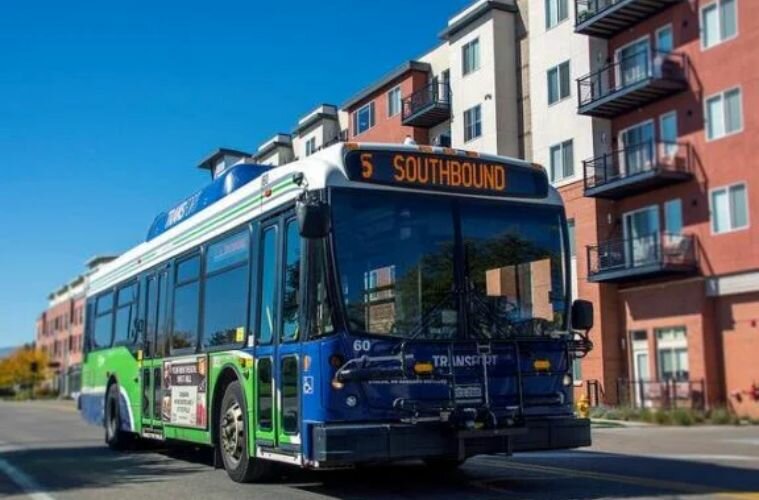
CNG buses, classified by the FTA as low-emission vehicles, emit substantially lower particulate matter (PM) and nitrogen oxides (NOx) compared with diesel buses. Studies from the U.S. Department of Energy (DOE) have documented NOx reductions of 40–60% depending on engine type, while lifecycle CO₂ emissions decline on a per-mile basis when compared with conventional diesel fleets. Cities adopting low-emission CNG have also reported measurable reductions in local air-quality hotspots—an issue particularly relevant for universities and dense urban corridors.
“Transfort is thrilled to receive this award from the FTA to support the replacement of six of our aging CNG buses,” said Annabelle Phillips, Assistant Director of Transfort. “This investment strengthens our long-standing partnership with the FTA and directly contributes to building a more reliable, resilient fleet for our community.”
The new CNG buses will serve the Around the Horn route on the Colorado State University (CSU) campus, one of the city’s highest-demand corridors. The agency notes that CNG is the lowest-emission technology available in the bus size required for this service, ensuring that the investment aligns with both operational constraints and the city’s climate goals.
The upgrade has daily implications for thousands of riders—students, faculty, and staff—who depend on intra-campus mobility and predictable schedules.
“We’re grateful for the FTA’s support and continued collaboration,” Phillips added. “Their support helps keep Transfort service running efficiently and sustainably.”
Federal investment through the Low or No Emission Program (5339c) has rapidly grown over the past several years as agencies pursue decarbonization while navigating infrastructure limitations. According to the FTA, the U.S. saw a 40% year-over-year increase in applications for low- and zero-emission bus funding in 2025, driven by:
CNG continues to play a transitional role in regions where electric charging infrastructure is still scaling or where vehicle size and duty cycle pose operational limitations.
For Fort Collins, the fleet replacement also advances infrastructure resilience. Transit agencies nationwide face increasing scrutiny over continuity of operations during extreme weather events and grid instability. CNG systems, which rely on diversified energy supply chains and on-site fueling capacity, are increasingly viewed as a stabilizing element during the transition toward full electrification.
The investment also aligns with regional sustainability planning across northern Colorado, where transportation accounts for more than 25% of communitywide emissions. Continued modernization of transit infrastructure, whether electric, CNG, or hybrid—will play a central role in achieving forthcoming climate commitments.


