
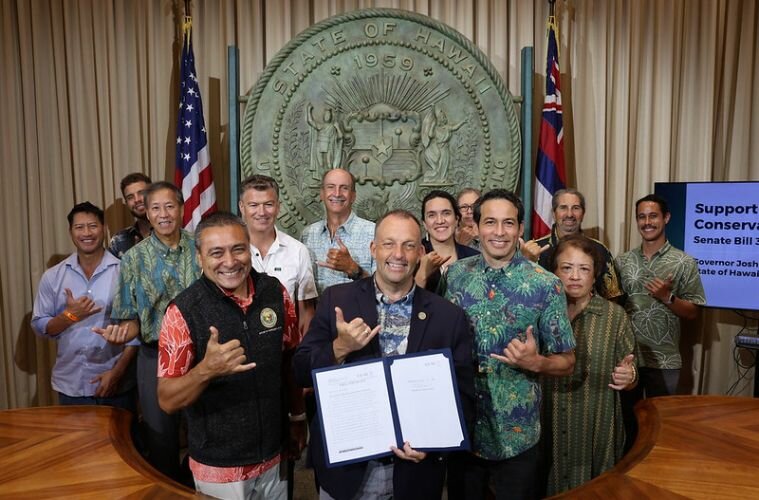
Hawaii Governor Josh Green signed Senate Bill (SB) 3253 into law on July 10, formally recognizing the Hawaii Conservation Sanctuary as a state-supported nonprofit organization. The measure, now Act 226, Session Laws of Hawaii (SLH) 2026, passed both chambers of the state legislature and gives the sanctuary a defined legal role in the state's conservation infrastructure for the first time.
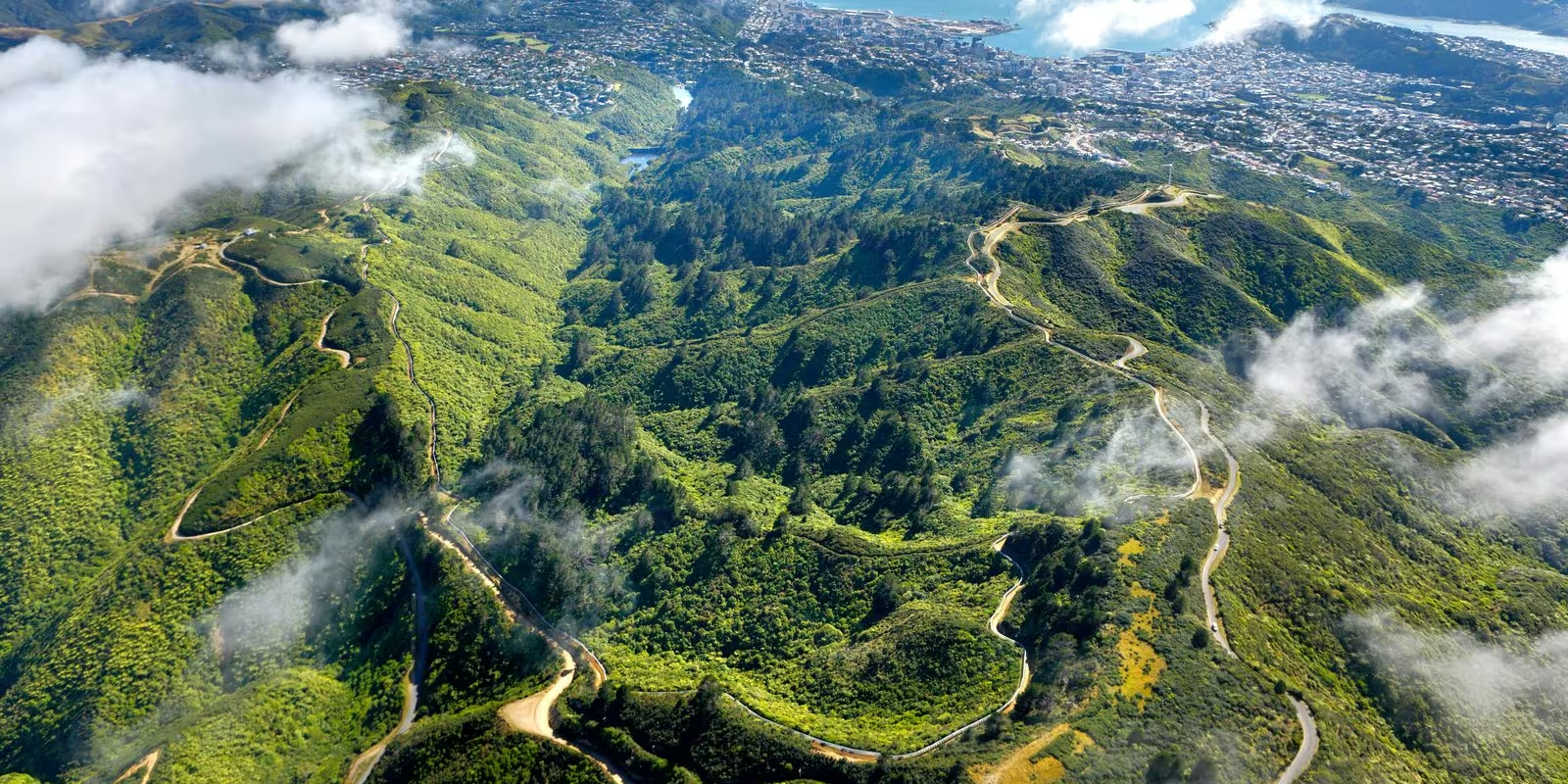
The Hawaii Conservation Sanctuary is structured after Zealandia, known in Māori as Te Māra a Tāne, a fenced ecosystem restoration site in Wellington, New Zealand, that removed invasive predators from a 225-hectare urban valley and has since become a widely cited reference point for native species recovery. New Zealand's consul general to Hawaii took part in the bill signing, reflecting the direct lineage between the two projects. Hawaii has more federally listed endangered and threatened species than any other U.S. state, and state officials have pointed to that concentration of at-risk species as the rationale for building dedicated sanctuary infrastructure rather than relying solely on existing park and refuge systems.
Act 226 allows the sanctuary to operate on preserved state land and to generate its own revenue through agricultural tourism, giving it a funding pathway independent of annual state appropriations. The law also directs the sanctuary to collaborate with state agencies on endangered species protection, applied research, public education, and habitat restoration, positioning it as a coordination point between government conservation programs and private or nonprofit partners rather than a standalone protected area. The move follows a broader pattern of states building out their own environmental infrastructure independent of federal programs, though in this case aimed at conservation capacity rather than enforcement.
For companies with biodiversity offset programs, agricultural tourism partnerships, or corporate conservation funding tied to Hawaii, the new sanctuary designation creates a specific state-recognized entity to work through, distinct from federal wildlife refuge channels or existing nonprofit land trusts. The sanctuary designation adds to a run of Hawaii environmental initiatives in 2026, including Maui's largest solar-plus-storage facility, and follows a global pattern in which corporate sustainability partners increasingly fund conservation infrastructure directly rather than through general donations.


