

The federal BFPP defense protects brownfields buyers from CERCLA liability, but state programs differ significantly. What EHS and legal teams need to understand before acquisition.

Organizations that haven't conducted a systematic PFAS exposure assessment are making that decision by default, and the cost of finding out later is rising.
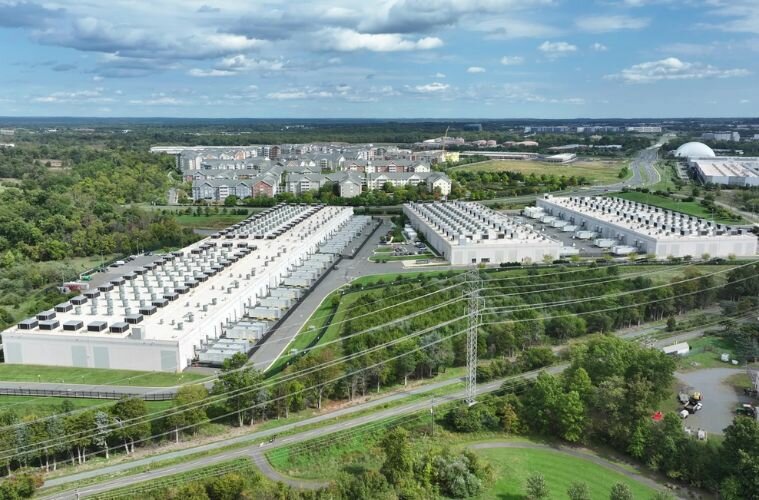
The arithmetic of corporate energy efficiency has stopped working for a growing number of technology-intensive companies.

School districts are expanding solar projects beyond pilot phases. By pairing generation with efficiency upgrades, they aim to cut costs and emissions.

Minnesota SF4504 would allow customers to install small plug-in solar devices without utility interconnection agreements, fees, or approval. Here is what the provision covers.

Researchers test a vibration based method to scale graphene production with lower energy use. Soon results show faster output and less environmental trade offs.

California’s $20M Project Nexus has completed construction on the first U.S. solar-covered irrigation canal, measuring water savings, power generation, and maintenance cost reductions simultaneously.

Crab shell waste may help control how bioplastics degrade in seawater. The approach could improve durability while supporting circular material use.

Mars signed a virtual PPA for most of the output from a planned wind farm in Lithuania that doesn't exist yet.

Virginia enacted SB508 April 22, directing Dominion Energy and Appalachian Power to assess unused solar interconnection capacity and pilot storage programs.

Sustainability-linked bonds tied to electrification milestones assume the borrower controls the timeline. Grid access constraints are proving that assumption wrong in a growing number of cases.
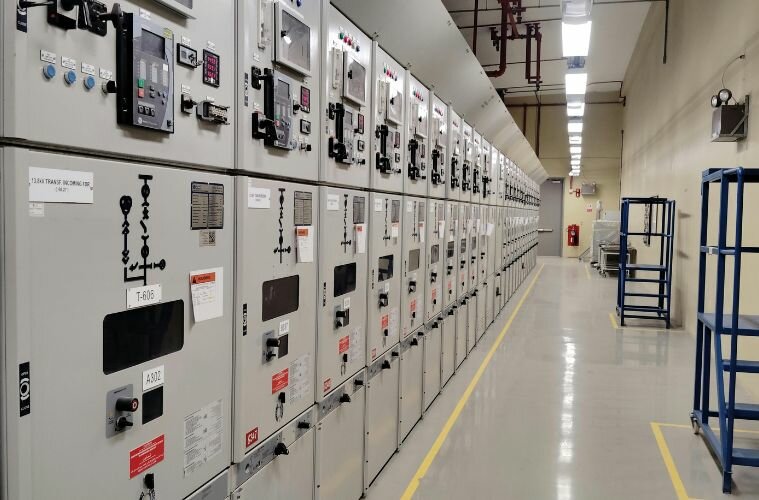
NERC flagged more regions at elevated grid risk than any prior assessment. Demand response enrollment windows are closing. Backup systems need testing before the season starts.

Restrooms are an overlooked sustainability opportunity. Smart dispensing, responsible materials, data-driven cleaning, and inclusive hygiene help reduce waste, cut costs, strengthen reputation, and support employee retention.

The GHG Protocol's Land Sector and Removals Standard takes effect January 2027. Its carbon opportunity cost methodology could significantly alter how biomass emissions are reported.

A new USGS tool shows where U.S. water supply and demand collide. It gives planners clearer data to assess risk and guide infrastructure decisions.

A major convention center doubled solar output without expanding space. Thousands of retired panels were reused, cutting waste and supporting local users.

Water risk is now immediate for U.S. businesses. Contamination, rising demand, and uneven regulation are turning supply into a daily operational challenge.
ETI has launched a hydrogen truck for long-haul freight. It tests whether fuel cells can handle payload, range, and refueling limits at scale.

Usalco and Shannon Chemical are expanding corrosion control capabilities. The partnership combines treatment chemistry with data tools and national reach.

EU restrictions and supply chain pressure are pushing labs to replace Triton X-100, turning green chemistry into a procurement and compliance priority.