
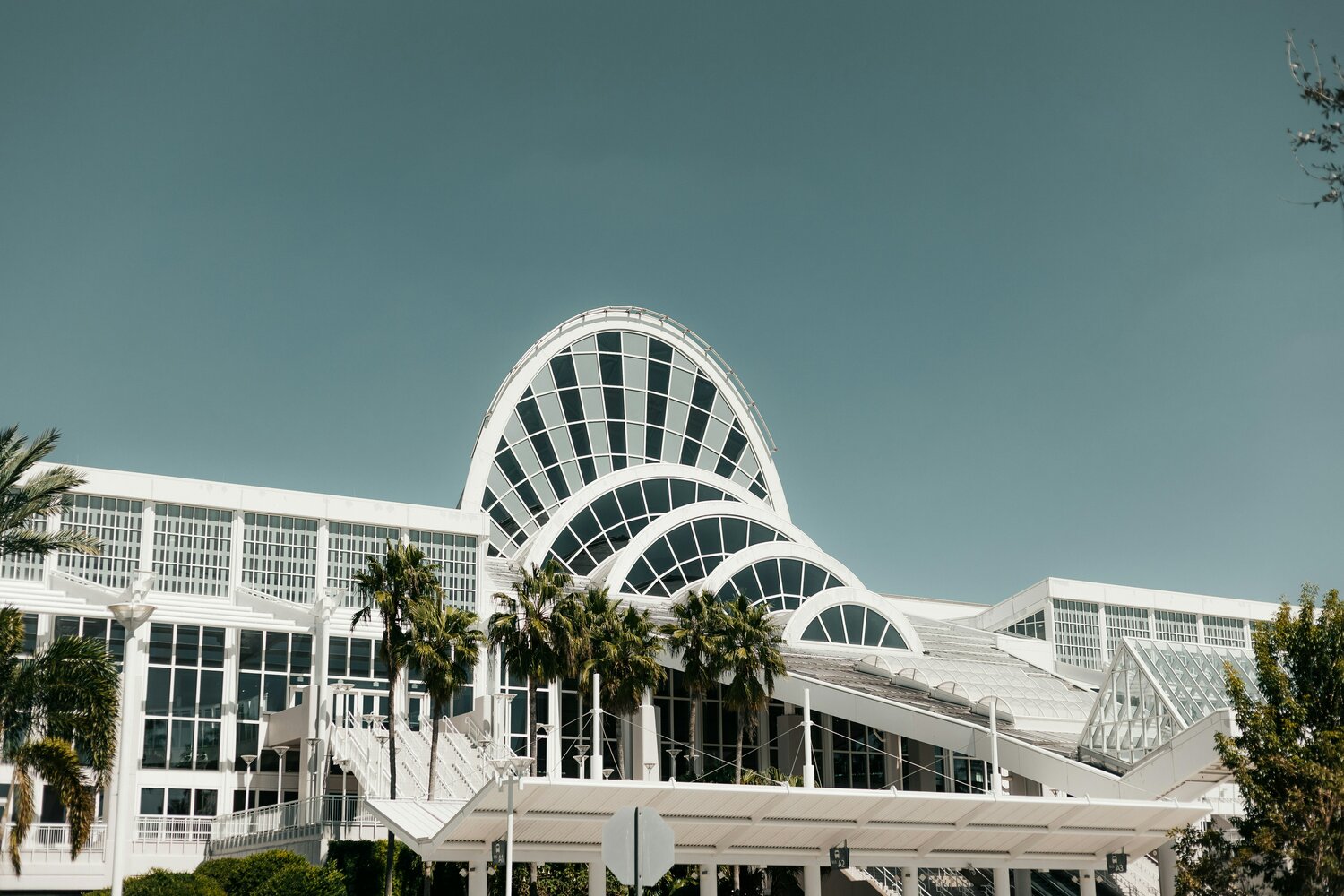
The setting matters. With over 2.4 million annual visitors, the convention center operates as a high-traffic, high-visibility environment, putting the system’s performance and reliability under constant scrutiny. That makes it less of a typical rooftop project and more of a live test case for commercial and industrial (C&I) solar at scale.

Rather than treating the upgrade as a routine equipment swap, project stakeholders used the transition to address lifecycle impact. When the original system—installed more than a decade ago—was taken offline, thousands of still-operational panels were redirected away from disposal.
Through a community initiative dubbed the “Great Solar Giveaway,” roughly 5,800 modules were distributed to over 120 recipients, including local residents, nonprofits, and small businesses. The effort highlights a shift in how asset owners are approaching solar end-of-life decisions, with more attention on reuse pathways instead of default recycling or landfill routes.
This approach aligns with a broader industry pattern. As early-generation C&I systems age out, repowering is becoming less about simple efficiency gains and more about balancing performance upgrades with material recovery and reuse. In this case, extending the lifespan of existing equipment also created local value, while reducing electronic waste tied to the project.
From an engineering standpoint, the project introduced a set of constraints not typically found in standard rooftop installations. The system spans multiple roof sections with varying elevations and obstructions, requiring a design that could adapt to inconsistent conditions.
A DC-optimized architecture allowed for module-level performance control across these different zones, helping maintain output despite layout challenges. The design also incorporated customized combiner configurations to move energy efficiently across distances of up to 800 feet—an uncommon requirement that reflects the size and complexity of convention center infrastructure.

Execution added another layer of difficulty. Installation took place while the facility remained fully operational, hosting events and visitors throughout construction. Coordinating solar deployment alongside roofing work and daily operations required tight sequencing and collaboration across teams, particularly given the scale and visibility of the site.
The result is a system that not only increases energy output but does so without interrupting business activity—an important consideration for large commercial properties evaluating similar upgrades.
For the broader market, the project signals where C&I solar may be heading next. Repowering is no longer just a technical refresh; it’s becoming an opportunity to rethink asset use, reduce waste, and integrate upgrades into active environments without downtime.
As more first-generation systems approach replacement, projects like this suggest the next wave of commercial solar growth will depend as much on how infrastructure is reused and optimized as on how much new capacity is installed.


