
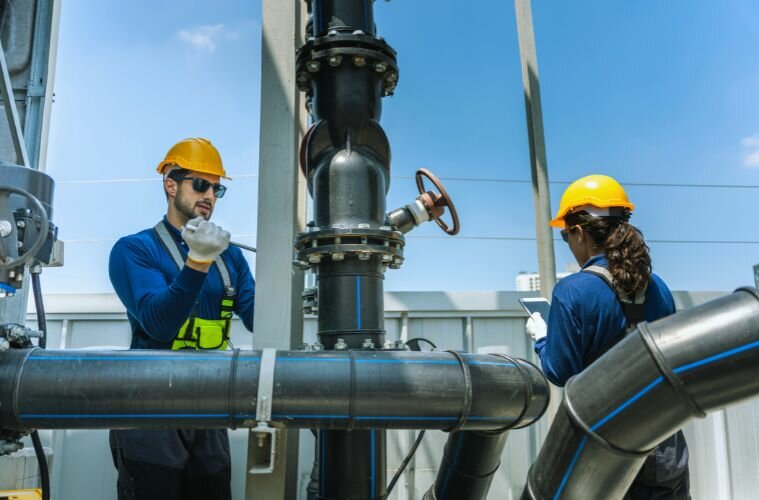
Grid queues, water access, permitting risk and capital timing are converging on the same projects. That is changing how executives plan for Q3.

Honda and QuantumScape are deepening solid-state battery research. The work could shape future EV batteries, but scale remains the real test.

Many organizations entered 2026 expecting normalization. Q2 suggests the second half will be defined by adaptation rather than recovery.

For years, organizations optimized for efficiency. In today's operating environment, excess capacity is increasingly becoming a strategic asset organizations can't quickly replicate.
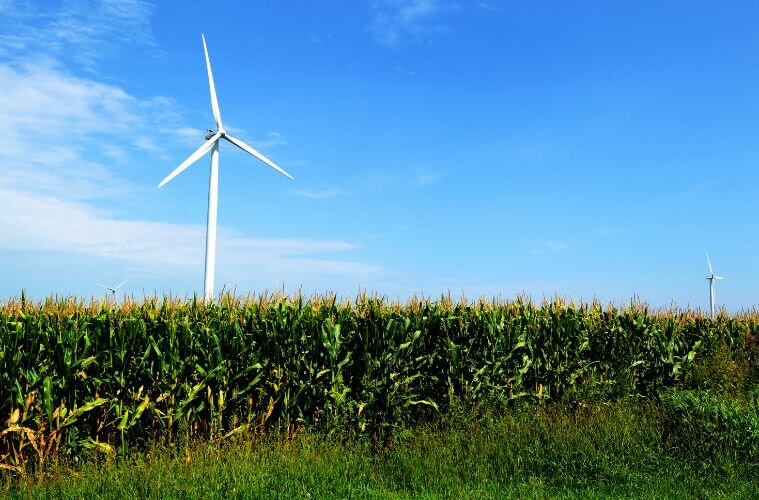
Illinois HB1700 expands state authority over renewable energy siting disputes, signaling a broader shift toward accelerating project development.
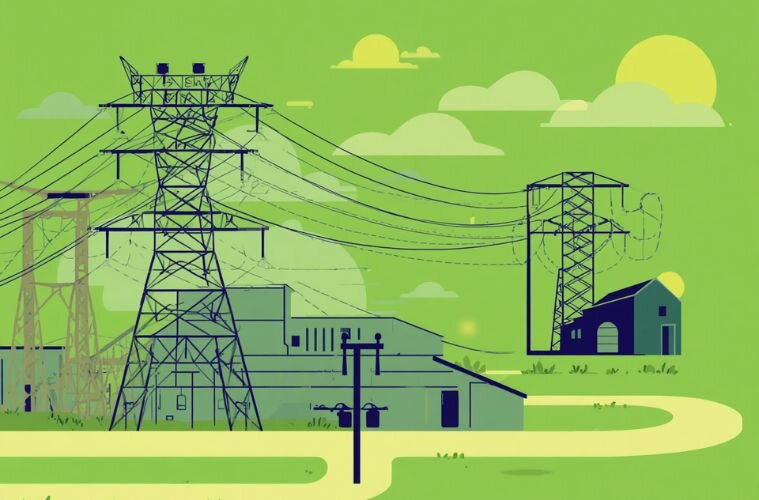
For years, uncertainty justified delay. Increasingly, uncertainty itself is becoming the cost organizations can no longer afford to absorb.

The projects moving forward in the second half of 2026 are increasingly defined by infrastructure readiness, permitting certainty, and execution feasibility rather than projected returns alone.

A structural cost coverage gap in the EU's Extended Producer Responsibility framework is leaving recyclers underfunded, just as the Circular Economy Act opens for reform.

The biggest risk entering H2 may not be execution. It may be relying on planning assumptions that no longer reflect operating conditions.

Grid capacity limits, water constraints, permitting delays, and capital deployment challenges are increasingly converging on the same projects.
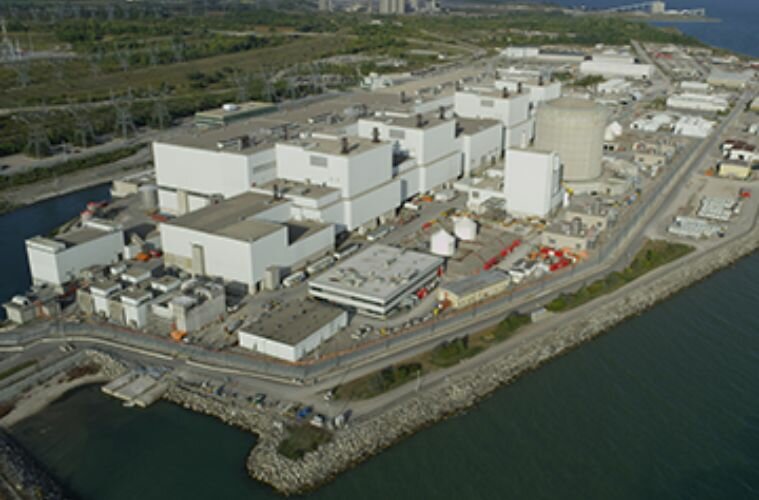
The Williams Treaties First Nations announced a $700 million investment in Ontario's Darlington SMR project, backed by the largest Indigenous loan guarantee ever issued in Canada.
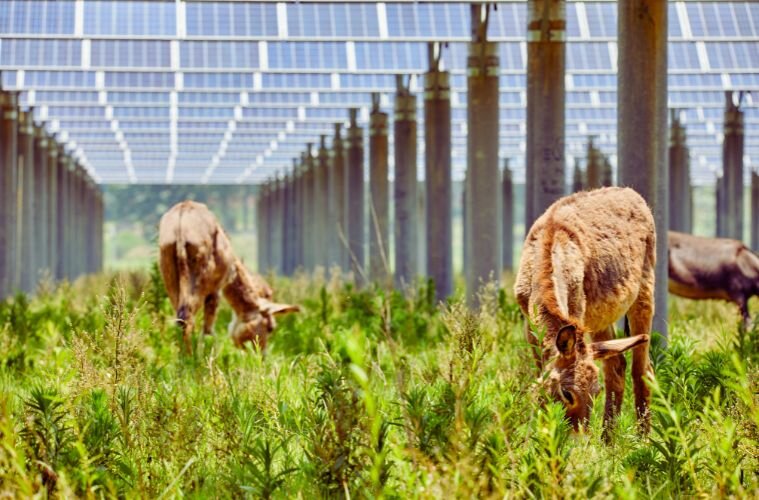
SEIA's new interactive map puts solar's farmland footprint against suburban sprawl and golf courses as Congress debates solar's role in the Farm Bill.
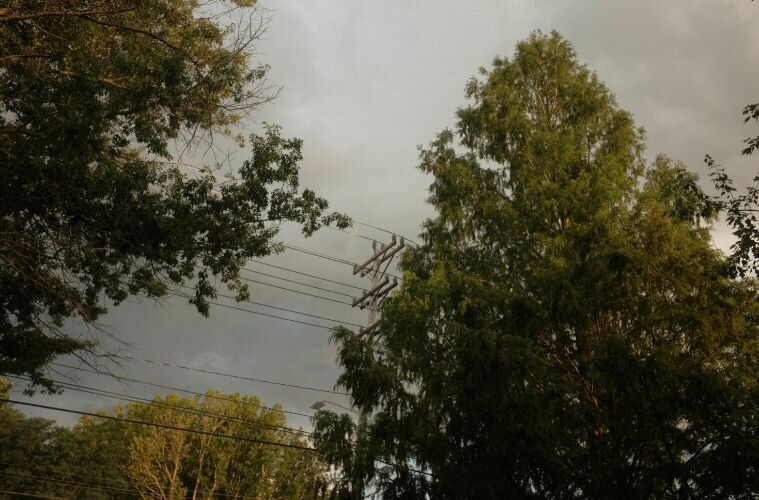
Governor Meyer is pushing Delaware's PSC to freeze rates and restructure Delmarva's profit model as the utility seeks $68M in additional revenue from 344,000 customers starting July 9.
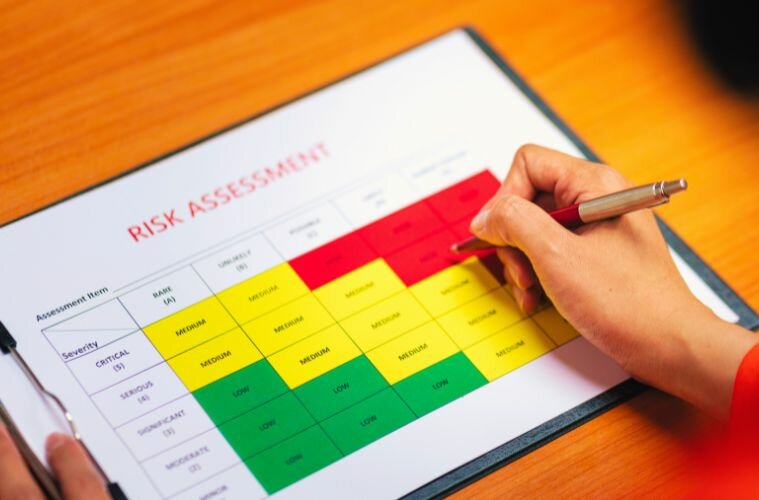
Heat enforcement, grid constraints, supply chain exposure, and AI infrastructure demands altered corporate risk profiles in Q2. Many companies are still operating from outdated assumptions.

The UK announced a $63.5 million critical minerals investment, funding rare earth magnet manufacturing, recycling projects, and a new industry demand aggregation platform.

Trade tensions, AI infrastructure growth, and resource constraints are forcing executives to rethink assumptions about supply chains and competitive advantage.

Capital stalled, compliance maps got harder, and supply chain pressure formalized. Executives who planned for Q2 resolution need a different framework going into the second half.

Silicone hull paint beat copper coatings in European tests. The findings could reshape antifouling choices for boatyards, marinas and paint suppliers.
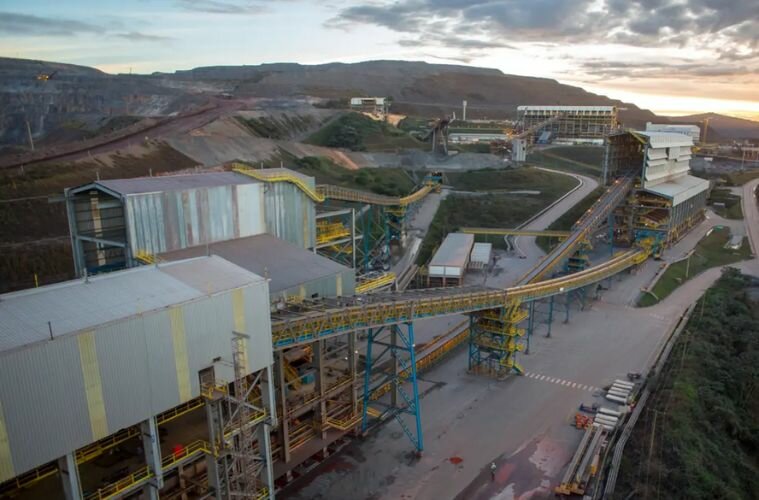
Vale reports a 25% productivity gain at its AI-integrated Conceição 2 plant in Brazil, with a 40% increase in direct reduction pellet feed output and a 26% drop in iron lost to waste.

Power is no longer just an operating cost. In 2026, electricity availability is shaping investment decisions, facility expansion, and corporate growth.