
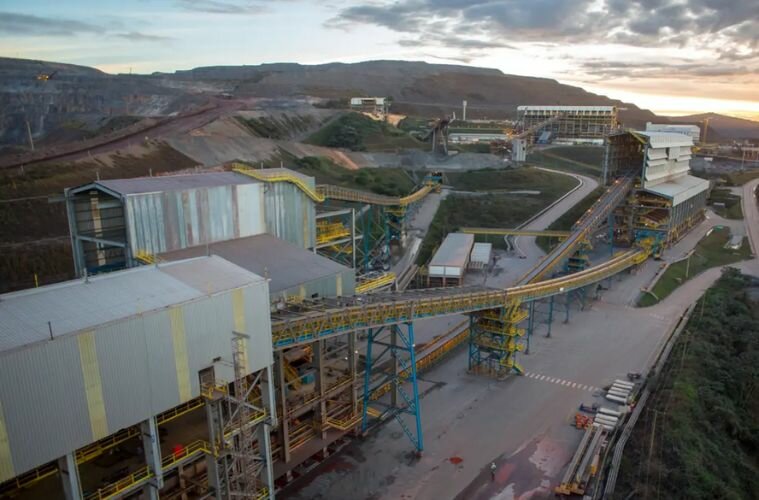
Vale has opened its Conceição 2 plant in Itabira, Brazil, about 62 miles from Belo Horizonte, as a model facility for AI-integrated mining operations. The plant processes iron ore at a capacity of 12.3 million short tons per year and serves as Vale's proof-of-concept for rolling out similar technology across its other operations. The modernization took 18 months and involved 51 targeted interventions. ABB, the automation and electrification firm, acted as technology integrator for the project.
What the AI System Actually Does at the Facility Level
The plant now runs more than 400 process variables through an AI layer that monitors and adjusts the ore processing workflow in real time. Over 100 cameras cover the facility, and roughly 7,300 instruments have been automated, including sensors and advanced measurement devices. Online ore grade analysis runs continuously during processing, so the system can reroute material instantly based on its iron content rather than waiting for batch testing results. Vale says the plant reached its planned capacity within the pilot period, with production rising from 9.9 million short tons in 2024 to the full 12.3 million short ton capacity this year — a 25% productivity gain. The average iron content lost to waste dropped 26% in 2026, meaning more of the ore being processed is ending up as product rather than tailings.
Direct Reduction Pellet Feed Is the Supply Chain Signal to Watch
The product mix shift is the data point most relevant for procurement and materials teams. Output of direct reduction (DR) pellet feed, a higher-grade iron product used in electric arc furnace steelmaking and positioned as a lower-carbon steelmaking input, increased 40% after automation. DR pellet feed commands a premium over standard iron ore fines and is increasingly important to steel producers working toward emissions reductions. For buyers sourcing iron ore products with sustainability requirements attached, what Vale is demonstrating is that AI-optimized processing can expand the share of premium grade product from the same ore body — a potential supply chain implication beyond the individual facility. Water reuse at the plant currently stands at 92%, with recirculated water returning to the process after filtration of ore and waste material.


