

New U.S. Fish and Wildlife Service rules end automatic ESA protections for future threatened species, replacing them with species-specific conservation rules.

A peer-reviewed study finds nanoplastics in McMurdo Dry Valleys soil at over half of sites sampled, the first such evidence in Antarctica's soils.

A Dutch project pairing a data center with greenhouse growers shows how waste heat recovery can reduce grid congestion while replacing natural gas.

Rodale is betting $139 million on moving 10 million U.S. acres into organic production. Farmer economics and clear tracking will decide if it works in practice.
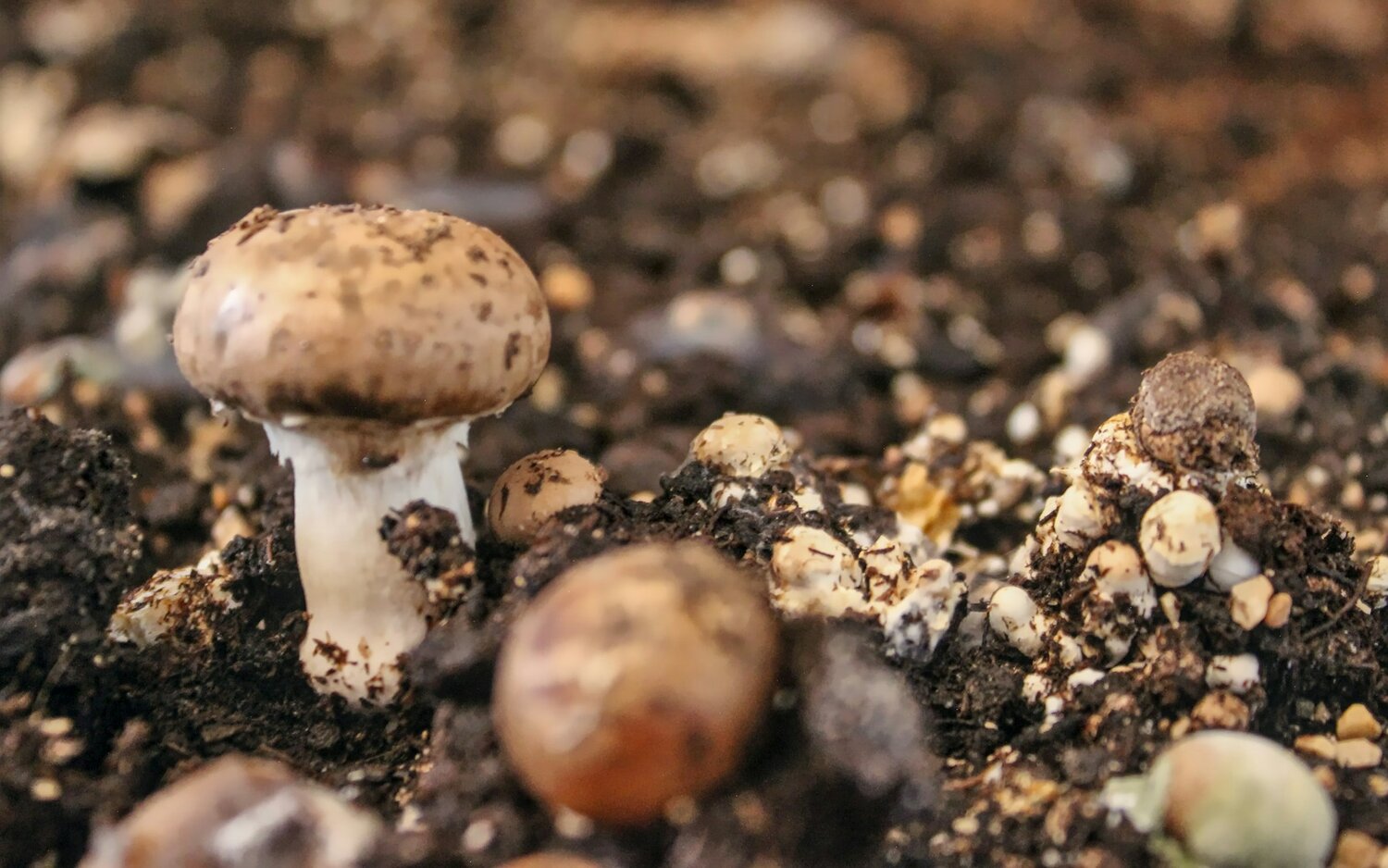
Syngenta and Groundwork BioAg are pairing fungal crop inputs with soil carbon programs. Farmers could gain soil benefits and fresh revenues from carbon credits.
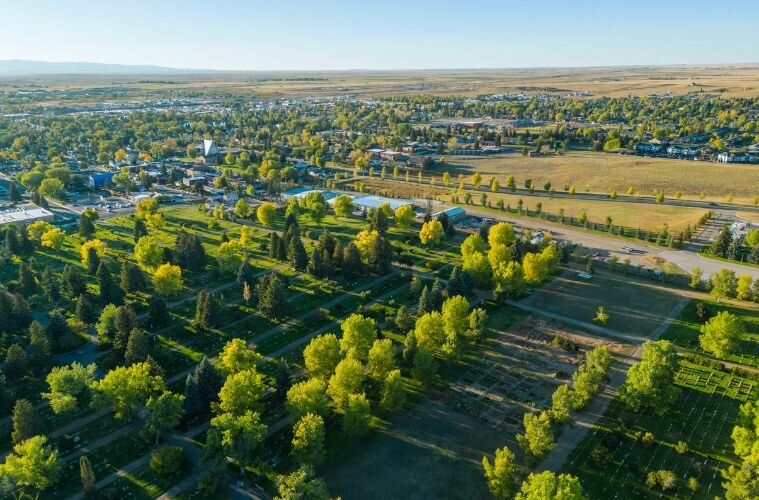
A Wyoming Supreme Court ruling affirms that counties can use land-use zoning, not just environmental permitting, to protect drinking water sources.

California regulators opened public comment on EVOCA® after a positive health review. A final decision could follow later in 2026 for the Biotalys biofungicide.

Biochar is getting a real-world road test. Verde and Ergon are moving their cold paving partnership toward field projects, carbon credits and commercial use.
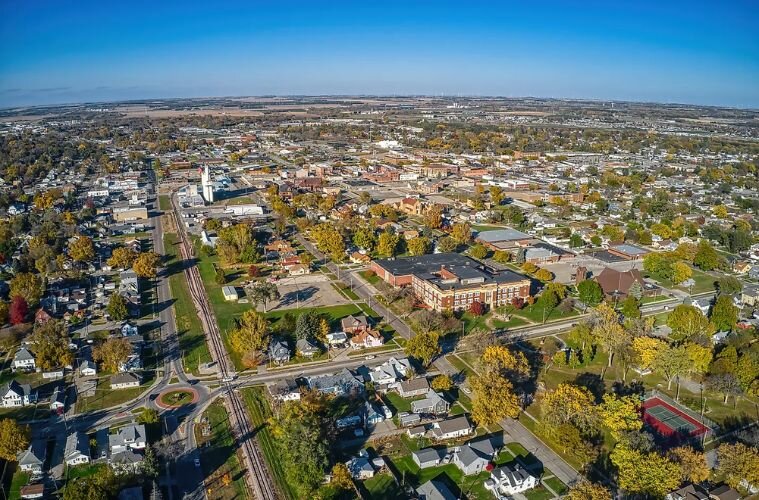
Norfolk, Nebraska's wastewater land purchase reflects a broader strategy as utilities secure room for future industrial growth and infrastructure expansion.
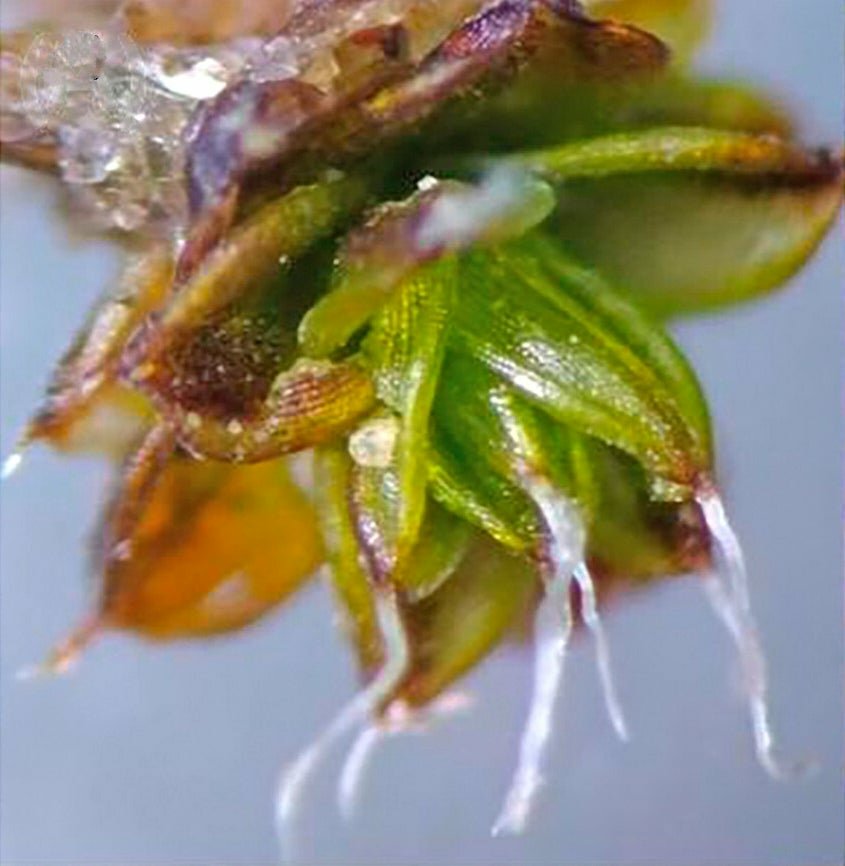
Desert mosses may carry fungi that help them handle heat. The discovery could shift how scientists approach dryland restoration and climate stress.
Ireland could owe up to $30 billion (€26 billion) by 2030 for missing EU climate targets, new fiscal modeling shows, with costs rising after 2030.
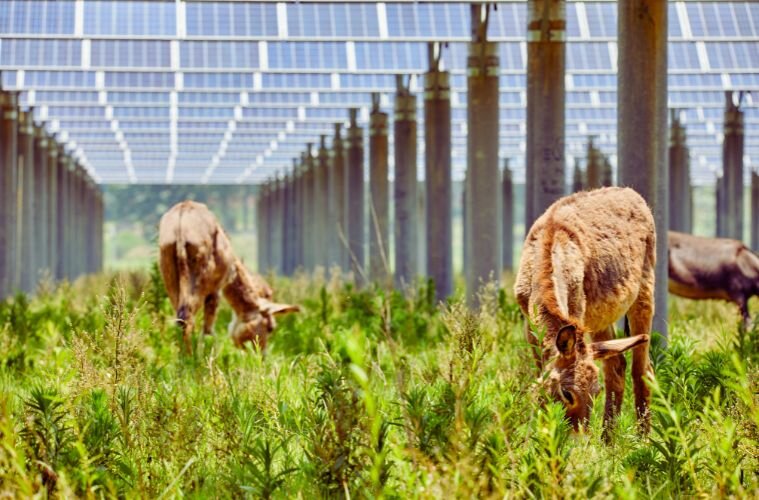
SEIA's new interactive map puts solar's farmland footprint against suburban sprawl and golf courses as Congress debates solar's role in the Farm Bill.

EHS, facilities, procurement, and sustainability each left something unresolved in Q2. Here is what each function needs to close before the second half starts.
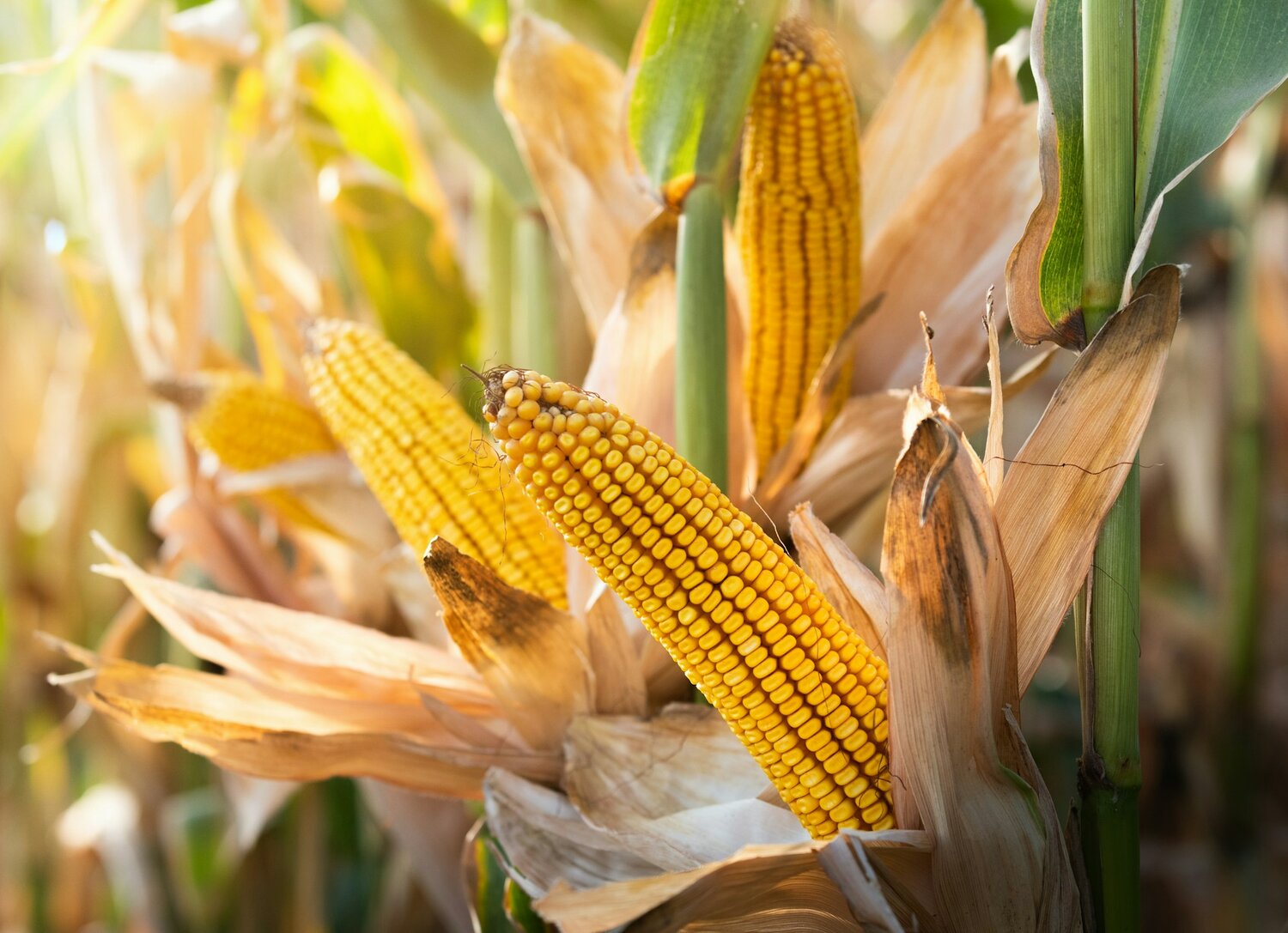
Bio-PDO is moving from green claim to measured carbon data. The latest LCA gives buyers clearer evidence on renewable inputs.
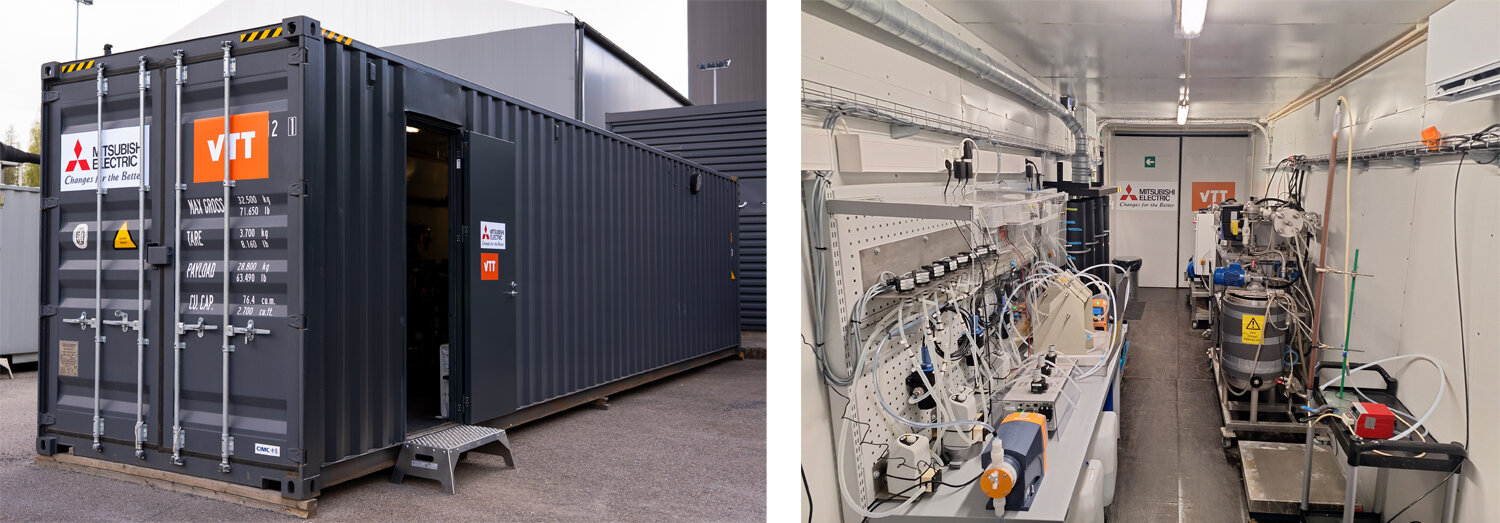
Mitsubishi Electric and VTT are preparing a direct ocean capture system for coastal trials. The work could test seawater's role in scalable carbon removal.
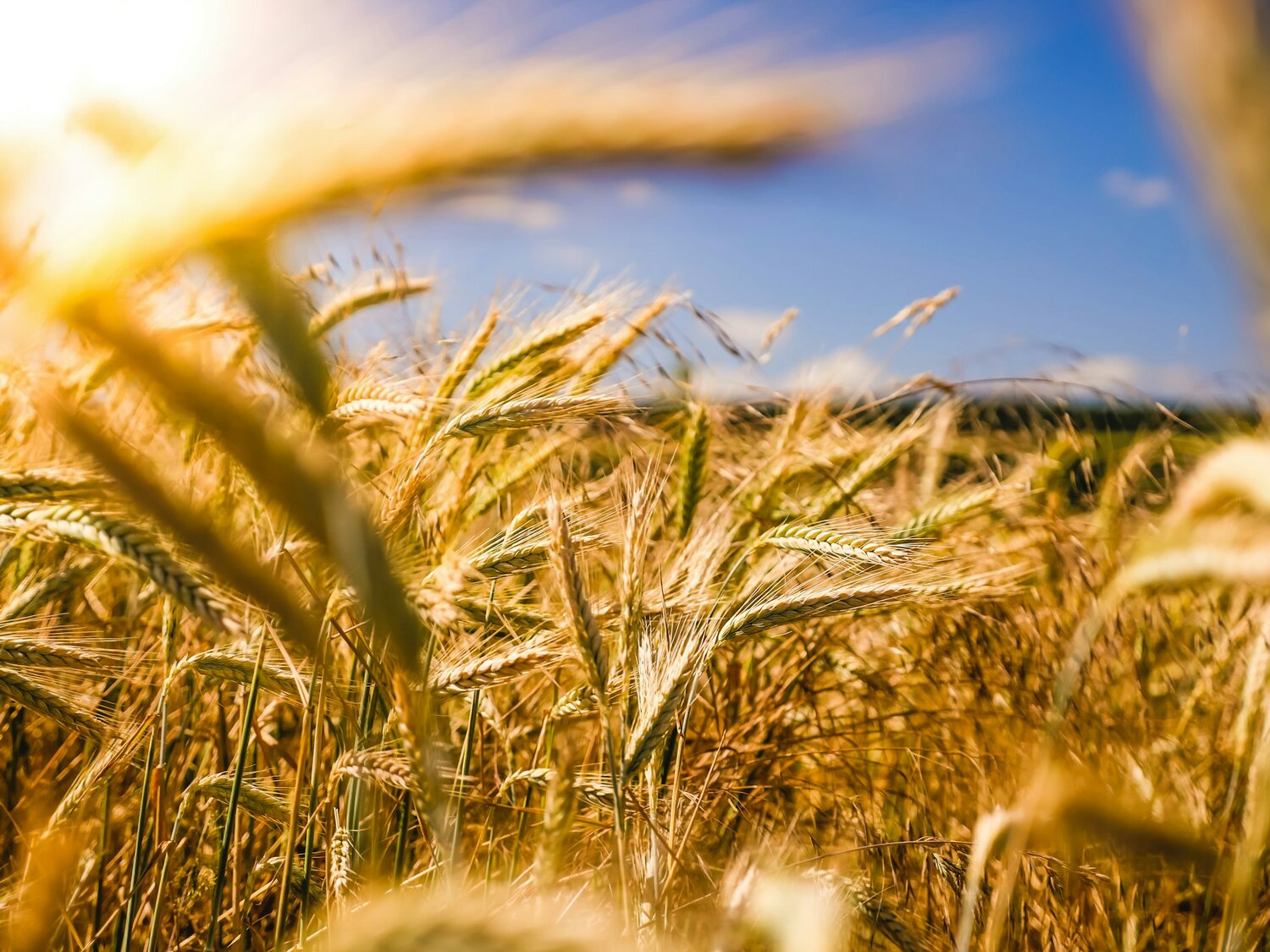
Switch Bioworks is testing microbial fertilizer in Midwest corn fields. The trials will show whether engineered microbes can support nitrogen delivery at scale.
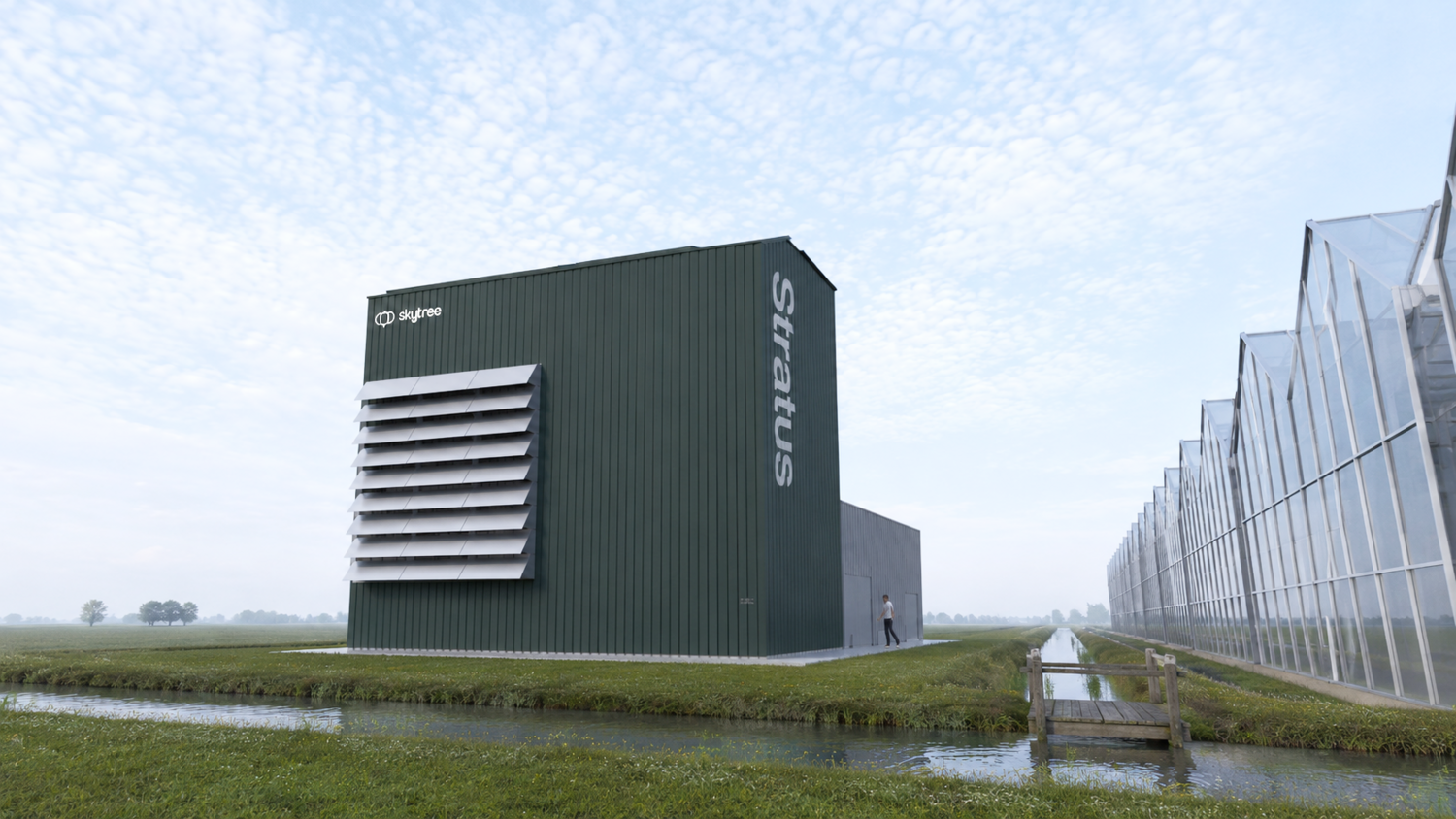
Skytree and Lingezegen Energy are bringing direct air capture into Dutch greenhouses. The project could make fossil-free CO₂ a practical crop input.
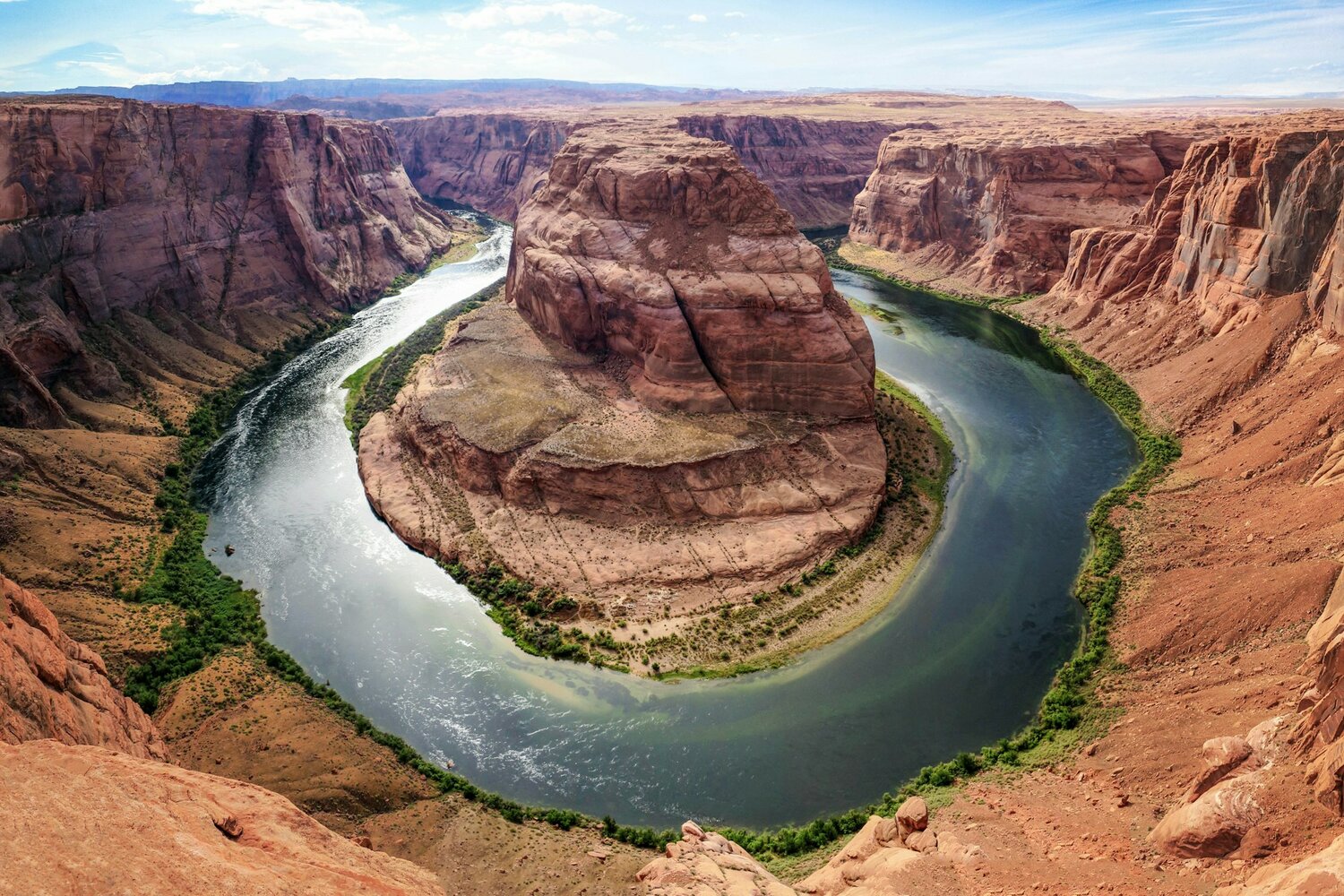
Colorado River storage is shrinking. Businesses face tighter water planning, higher supply risks and fewer buffers against dry years.

M-44 cyanide devices are back in the predator-control debate. For land managers, the issue now spans safety, liability, pets and endangered wildlife.
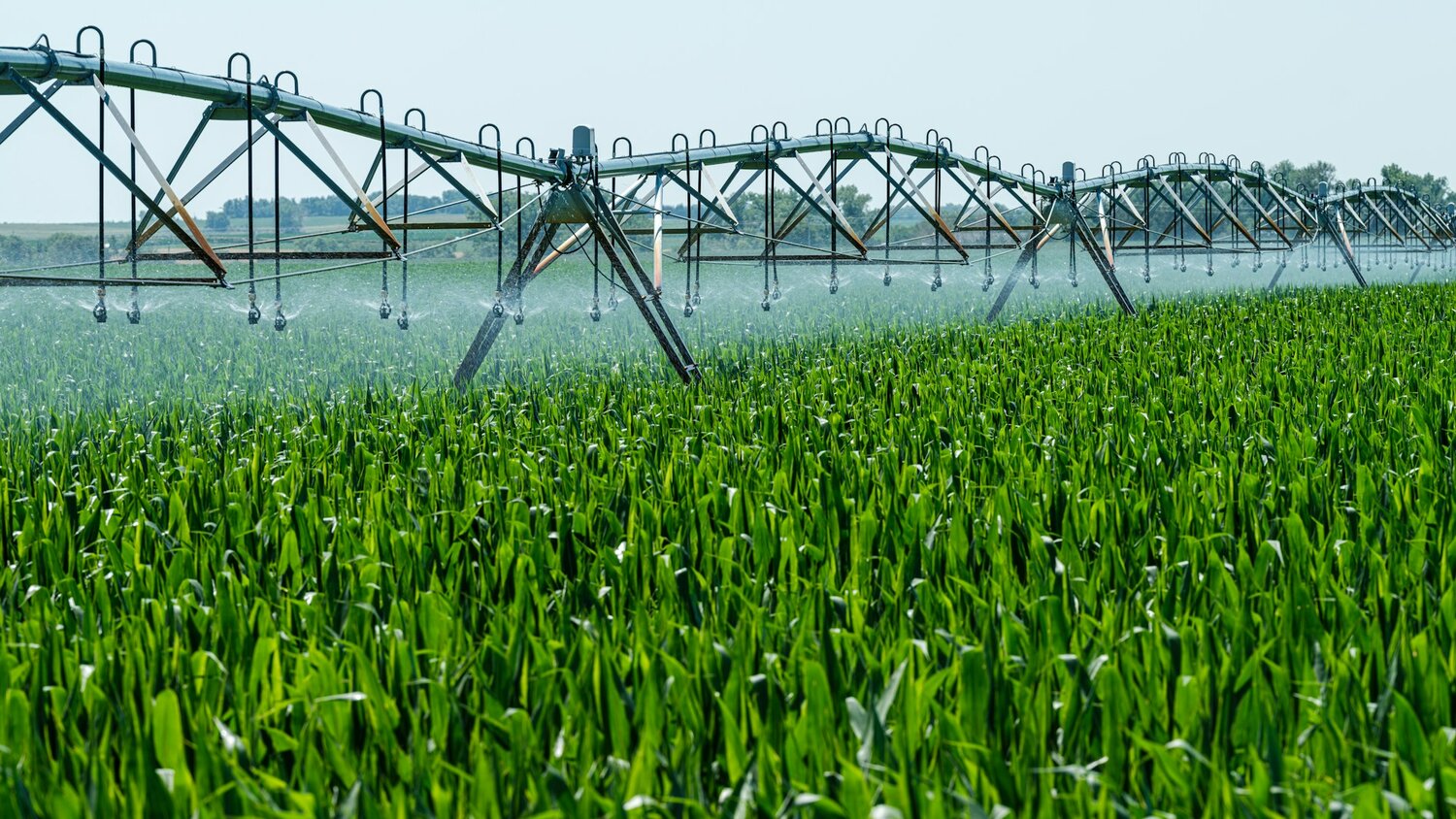
Water risk is becoming a business issue for agriculture-linked companies. A new Bluerisk guide sets out practical steps to strengthen supply chain resilience.