
More than 85% of land plants form relationships with fungi that help them access nutrients. In many cases, fungi receive sugars from the plant in return. A major group involved in these partnerships is arbuscular mycorrhizal fungi, often known as AMF.
Mosses have usually been treated as an exception. The common model has been that they do not depend on these fungal partners in the same way as many other plants. The UC Riverside study suggests that picture may be incomplete, especially in desert environments.
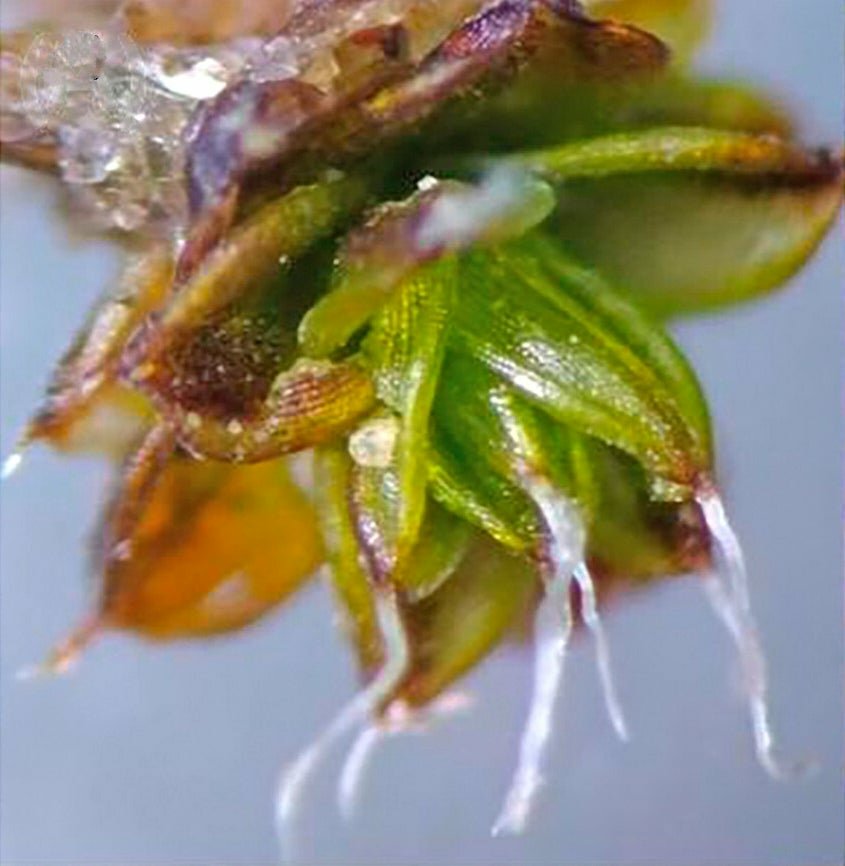
Doctoral researcher Kian Kelly collected mosses from the Mojave and Sonoran deserts, including samples from biological soil crusts. These crusts are living layers made up of mosses, fungi, bacteria, algae and microscopic animals. They help stabilize dryland soils but are sensitive to heat, drought and physical disturbance.
In the lab, the research team analyzed moss tissue for fungal DNA. They found evidence of fungi living inside the mosses, including fungi that usually depend on plant partners. The fungal communities in desert mosses were also different from those found in mosses from less arid environments.
That matters because it points to a possible climate link. The researchers suspect some fungi may help mosses cope with hotter and drier conditions, although further work is needed to confirm what the fungi are doing inside the plant.
The team also looked at whether the fungi could simply be soil contamination or fungi feeding on dead material. Their results suggest otherwise. The fungi found inside the mosses did not simply match the fungi in the surrounding soil.
Microscopy added another layer of evidence. After staining moss tissue with a dye that binds to fungi, Kelly observed branching structures inside moss cells. These resembled arbuscules, the tree-like structures that fungi use in plant roots to exchange nutrients. In this case, the structures appeared in moss leaves.
The researchers are not calling this a confirmed symbiosis yet. They describe the structures as arbuscule-like because they do not fully match the textbook examples found in other plants. To prove a true partnership, future studies will need to show whether nutrients are being exchanged between the mosses and fungi.
Even with that caution, the research could have wider implications. Mosses are close relatives of some of Earth’s earliest land plants, so the discovery may help scientists understand how plants first adapted to life on land roughly 470 million years ago.
There may also be practical value for land managers. Biological soil crusts protect dryland soils, but they can be damaged by warming, drought and foot traffic. In some desert areas, a single footprint can take decades to recover. If fungi help mosses survive environmental stress, that relationship could eventually inform restoration strategies for fragile dryland ecosystems.


