

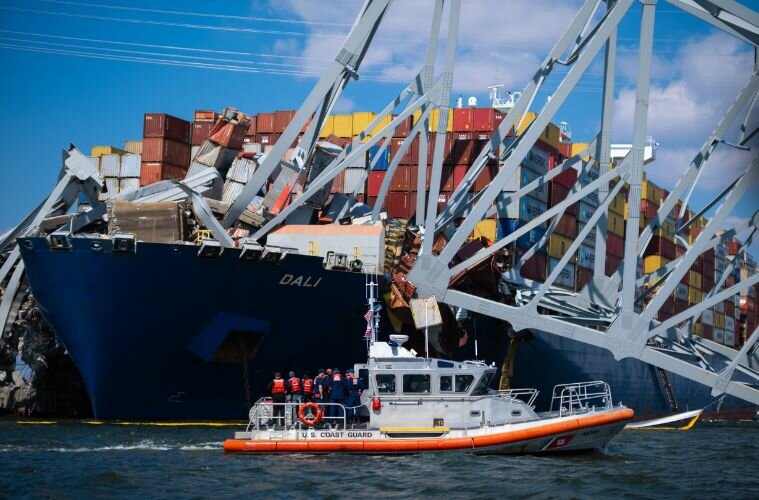
Federal grand jury charges Synergy Marine Group on 18 counts for the MV Dali Key Bridge allision, including six counts of misconduct resulting in death and environmental violations.

Durham's Society 5.0 model shows how integrated infrastructure intelligence is becoming a material factor in corporate investment and workforce decisions in 2026.

Antarctic ice shelves act like doorstops, slowing land ice from reaching the sea. New modeling shows hidden channels underneath may speed up melt.

Colorado SB 102, which would have required data centers to pay full grid costs and meet emissions targets, was voted down unanimously May 11. Other states are hitting the same wall in 2026.

A Rice University PNAS study links El Nino and Indian Ocean Dipole climate patterns to armed conflict onset in drought-exposed regions, with implications for supply chain and operational risk planning.
Radisson is taking net zero from target to test case. Its latest report shows how hotel-level changes are shaping emissions, workforce and supply chain goals.

Four months of rainfall deficiencies have pushed water storage and soil moisture to critical levels across eastern Australia, with record lows recorded in New South Wales.

Claros reported high PFAS destruction in concentrate from a Minnesota site. The results point to growing interest in capture-and-destroy remediation models.

Project Jupiter is moving to a fuel cell microgrid. The shift highlights how AI data centers are rethinking power, water and local impact.

Nine Florida schools earned Melbourne's 2026 ECO School Awards for integrating sustainability, conservation, recycling, and habitat programs into campus life and community engagement.
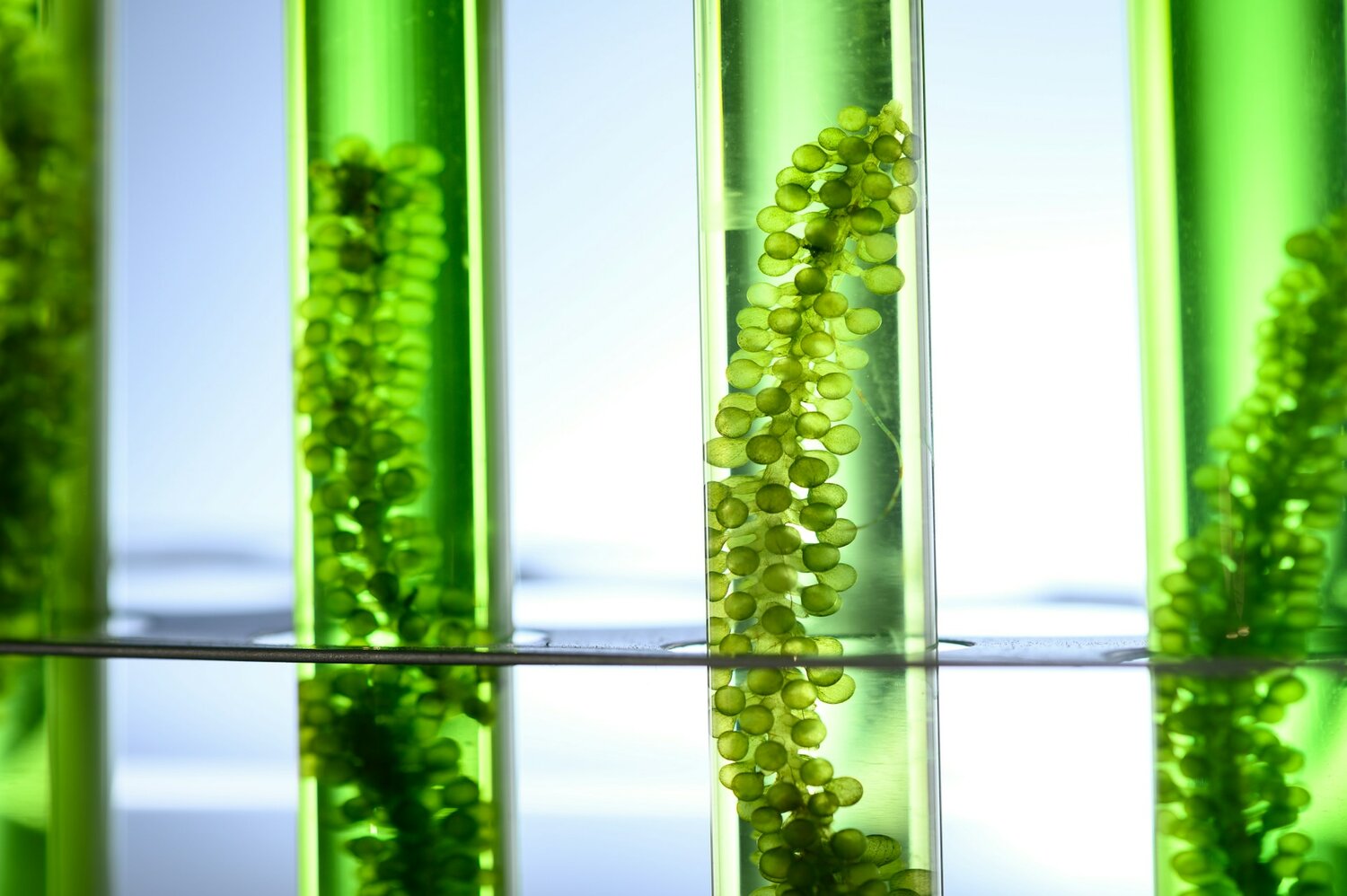
BioMADE is backing 14 projects with $21.4M in funding. The focus is practical: recover critical materials, improve bio-based production and train workers.

A 40,000-acre hyperscale data center and power generation campus cleared its first regulatory hurdle in northern Utah this week.

New Mexico launched a public dashboard to monitor its 50-year water action plan as the state faces a projected 750,000 acre-foot shortage

Organizations that haven't conducted a systematic PFAS exposure assessment are making that decision by default, and the cost of finding out later is rising.
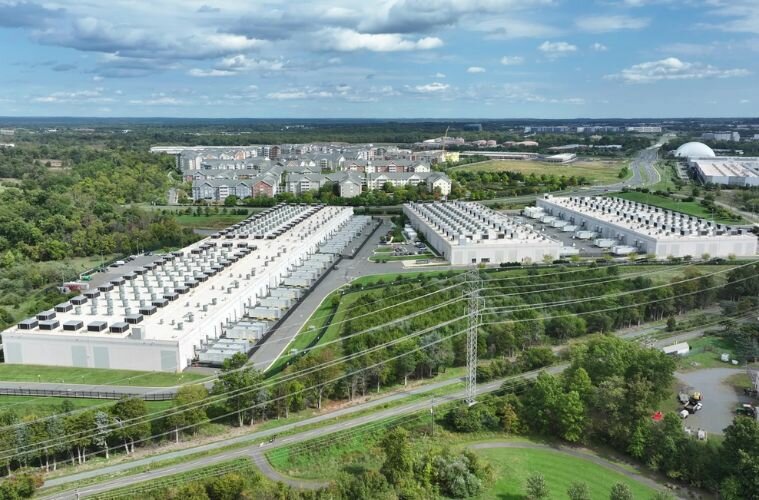
The arithmetic of corporate energy efficiency has stopped working for a growing number of technology-intensive companies.

California’s $20M Project Nexus has completed construction on the first U.S. solar-covered irrigation canal, measuring water savings, power generation, and maintenance cost reductions simultaneously.

Crab shell waste may help control how bioplastics degrade in seawater. The approach could improve durability while supporting circular material use.

A new USGS tool shows where U.S. water supply and demand collide. It gives planners clearer data to assess risk and guide infrastructure decisions.

Water risk is now immediate for U.S. businesses. Contamination, rising demand, and uneven regulation are turning supply into a daily operational challenge.

Usalco and Shannon Chemical are expanding corrosion control capabilities. The partnership combines treatment chemistry with data tools and national reach.