

Grid queues, water access, permitting risk and capital timing are converging on the same projects. That is changing how executives plan for Q3.

Rock Tech’s Victory option adds lithium upside in Northwestern Ontario. The deal supports its push to link exploration with future conversion capacity.

Illinois HB1700 expands state authority over renewable energy siting disputes, signaling a broader shift toward accelerating project development.

The projects moving forward in the second half of 2026 are increasingly defined by infrastructure readiness, permitting certainty, and execution feasibility rather than projected returns alone.

Smart hydrants are giving utilities a sharper view of aging networks. McWane’s iHydrantPlus supports leak detection, pressure monitoring and faster response.

The biggest risk entering H2 may not be execution. It may be relying on planning assumptions that no longer reflect operating conditions.

Grid capacity limits, water constraints, permitting delays, and capital deployment challenges are increasingly converging on the same projects.
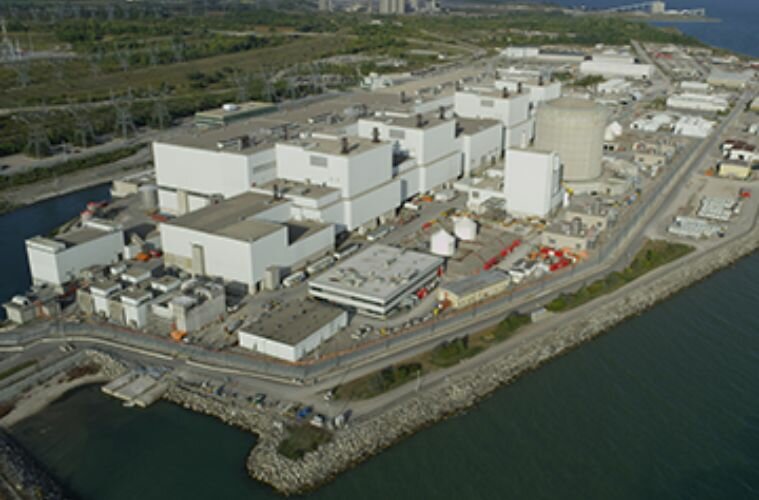
The Williams Treaties First Nations announced a $700 million investment in Ontario's Darlington SMR project, backed by the largest Indigenous loan guarantee ever issued in Canada.

Meta will buy attributes from two planned Sabanci solar projects. The Texas deal adds 220 MWac as data center power demand grows.

SEIA's new interactive map puts solar's farmland footprint against suburban sprawl and golf courses as Congress debates solar's role in the Farm Bill.

Power, water, permits, and capital are tightening simultaneously on the same projects. Executives need a framework for operating inside converging constraints, not resolving them one at a time.
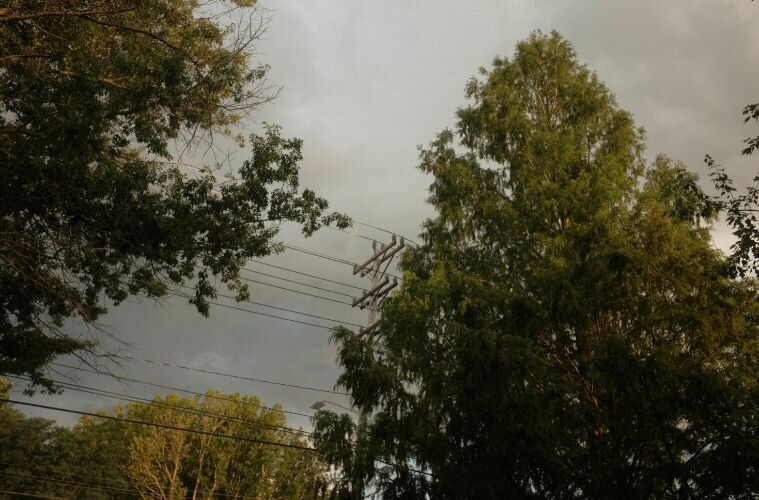
Governor Meyer is pushing Delaware's PSC to freeze rates and restructure Delmarva's profit model as the utility seeks $68M in additional revenue from 344,000 customers starting July 9.
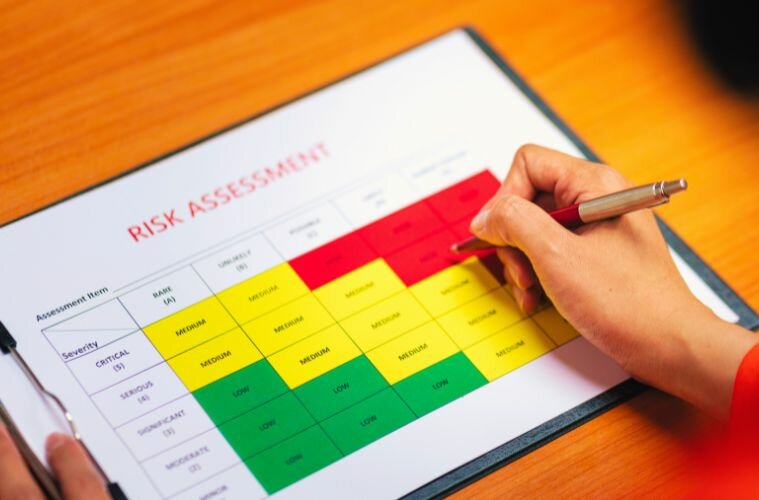
Heat enforcement, grid constraints, supply chain exposure, and AI infrastructure demands altered corporate risk profiles in Q2. Many companies are still operating from outdated assumptions.

Rivian is linking its EVs to utility managed-charging programs. The ChargeScape deal could help drivers cut costs while giving utilities more flexible load.

Capital stalled, compliance maps got harder, and supply chain pressure formalized. Executives who planned for Q2 resolution need a different framework going into the second half.
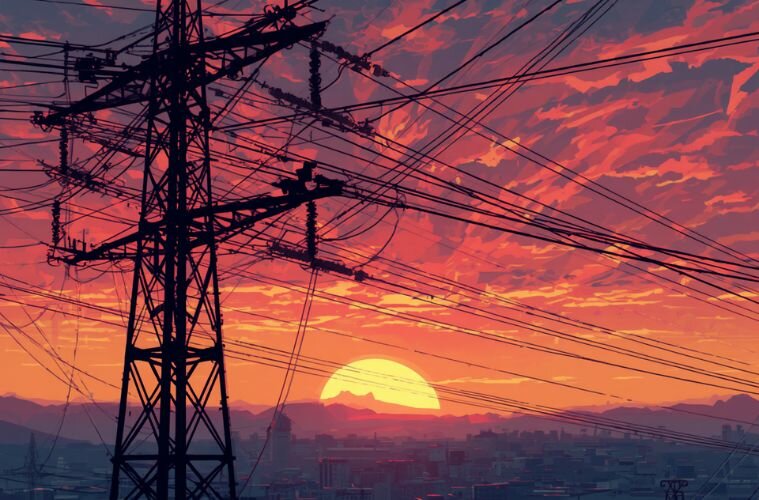
Power is no longer just an operating cost. In 2026, electricity availability is shaping investment decisions, facility expansion, and corporate growth.
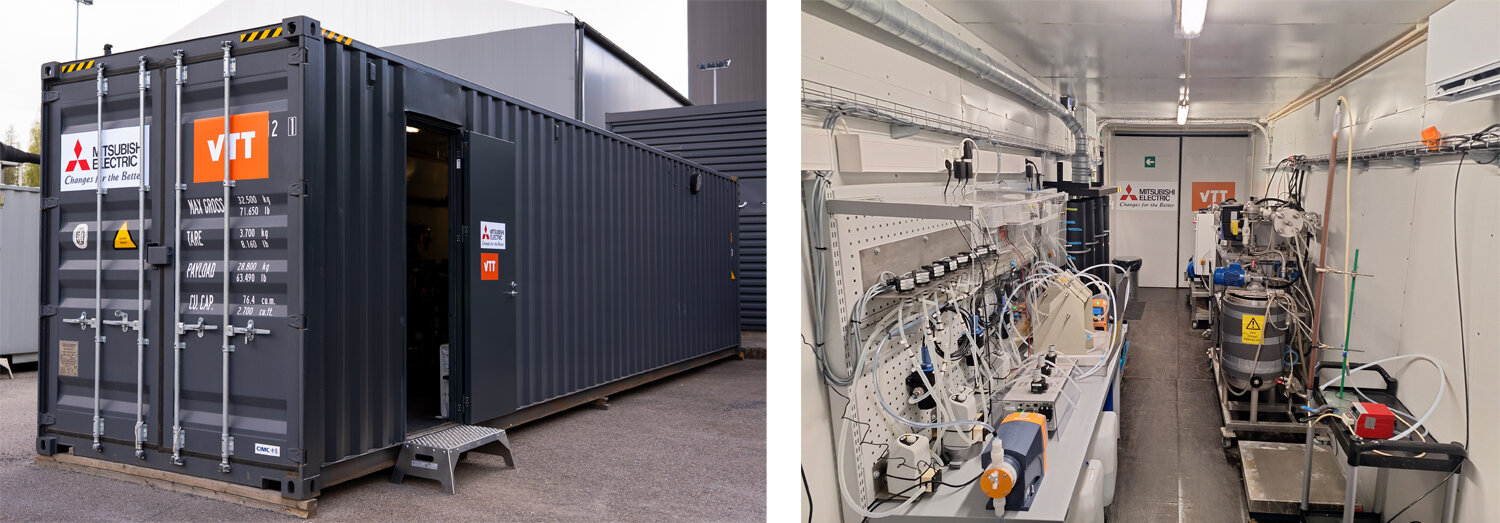
Mitsubishi Electric and VTT are preparing a direct ocean capture system for coastal trials. The work could test seawater's role in scalable carbon removal.
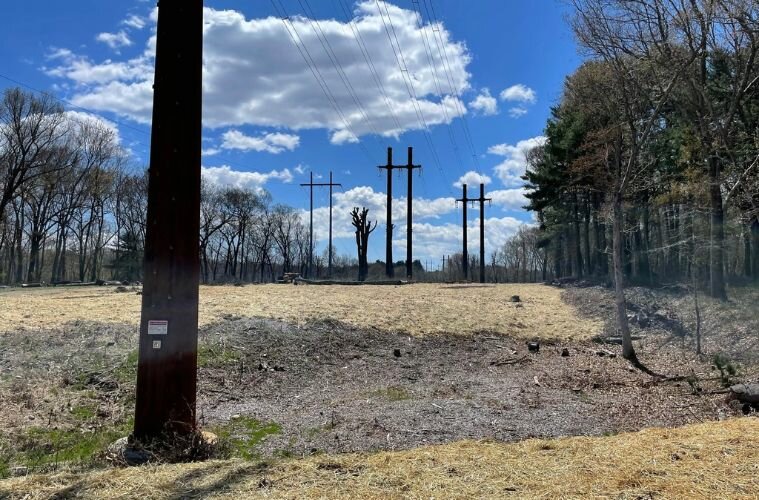
A Rhode Island bill would reopen questions about utility-owned generation, storage, reliability, and who should build the power system needed for demand growth.

TerraCycle’s NLR deal adds regulated waste capacity. The move gives business customers broader recycling and compliance support.

Two Arizona rate cases approved increases of up to 300% for small rural water systems with aging infrastructure, reflecting a national pattern Pew and AWWA research puts at $2.1 trillion in need by 2050.