

Interconnection reforms and operator data reveal how grid congestion is reshaping project economics, contracts, and delivery risk heading into 2026.

An IMF climate policy diagnostic finds climate shocks pose macro-critical risks to Liberia’s economy, urging reforms across energy, water, and fiscal policy.

Clean hydrogen is emerging as essential U.S. infrastructure, shaping trade competitiveness, manufacturing resilience, and emissions performance in carbon-constrained markets.
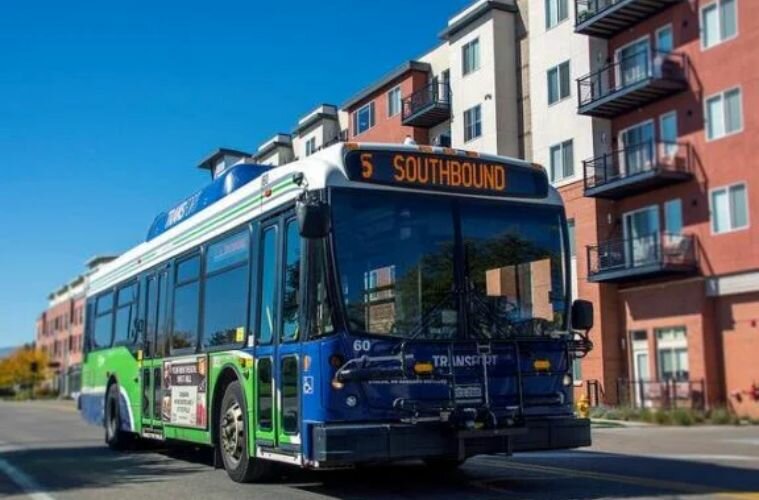
Fort Collins Transit will replace six aging CNG buses with FTA-funded low-emission models, improving service reliability and reducing NOx and PM emissions.

Homes England’s 2025–2030 plan positions housing, land, and enabling works as national infrastructure essential to economic growth and sustainable communities.

A federal court vacated Detroit’s ozone redesignation, restoring Moderate controls and raising new compliance considerations for 2026 infrastructure projects.

gridX’s 2025 retrofit report shows strong consumer demand, major savings potential, and a 15M-home retrofit market shaping Europe’s energy transition.

Colorado secures NTIA approval for $420.6M in BEAD funding to expand high-speed internet to 96,000 residents, advancing statewide digital access goals.

LEED Platinum certifications declined in 2025, yet several states matched or exceeded 2024 totals, revealing concentrated regional growth across key markets.

Global energy-transition investment hit $2.4T in 2024, but renewable growth slowed sharply, raising concerns about staying on track for 2030 climate goals.

The Colville Tribes are taking charge of their energy future with microgrids that boost reliability, support critical services, and open paths to new revenue.
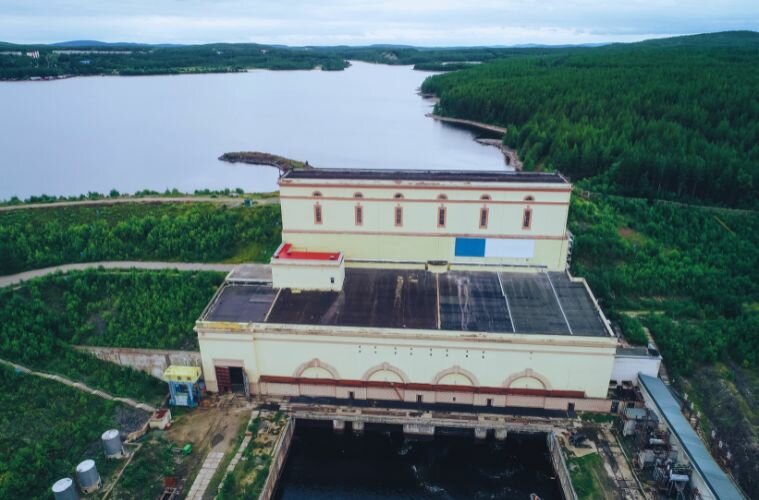
A new NHA webinar highlights growing opportunities to capture energy from bypass flows and pressure-managed pipelines as hydropower facilities modernize.

A new model detects climate stress by reading signals in living systems. From corals to cities, CBS3 turns biology into a global early-warning network.

Indigenous communities protect the world’s largest forests—but mining, oil, and logging projects are rapidly advancing on their land. Climate goals are at risk.
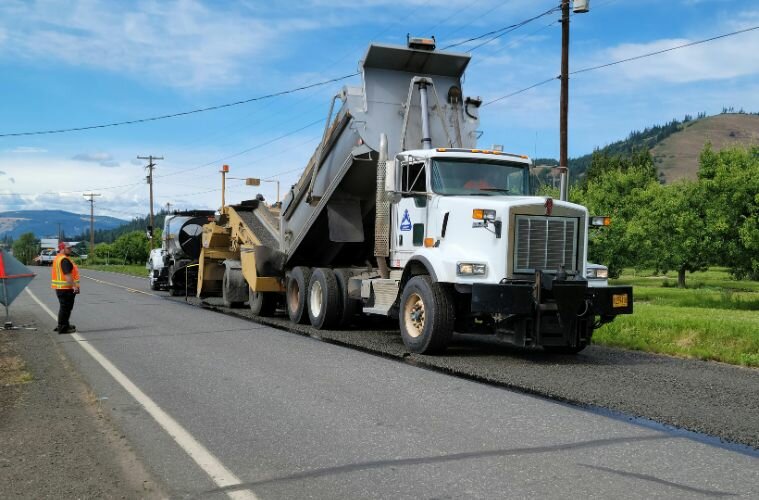
HB 3991 makes EV and hybrid drivers pay per mile, ends Oregon’s toll program, and adds stronger ODOT oversight to stabilize road funding and project delivery.

Family Laundry’s solar-powered EV fleet reduces costs and emissions while advancing Oakland’s equitable climate goals with community partnerships.

UNESCO designates 58 new Creative Cities, expanding its global network to 408 across 100+ countries, including the first category for Architecture.

Crusoe secures $1.375 billion Series E at >$10 billion valuation to expand its vertically integrated AI infrastructure and cloud platform.

DC’s FY2026 budget channels more than $1.8B into infrastructure, transit, and renewable energy programs to strengthen climate resilience and clean growth.

Neoclouds—GPU-centric AI clouds—are reshaping data centres and energy usage. Explore what this shift means for sustainability and infrastructure.