

Store brands give retailers more control over how rising supplier costs for ingredients, packaging and freight move from the factory to the shelf.

Nassimi is linking upholstery materials to reforestation and social support. Its partnerships fund tree planting and help women rebuild their lives after abuse.

Rodale is betting $139 million on moving 10 million U.S. acres into organic production. Farmer economics and clear tracking will decide if it works in practice.
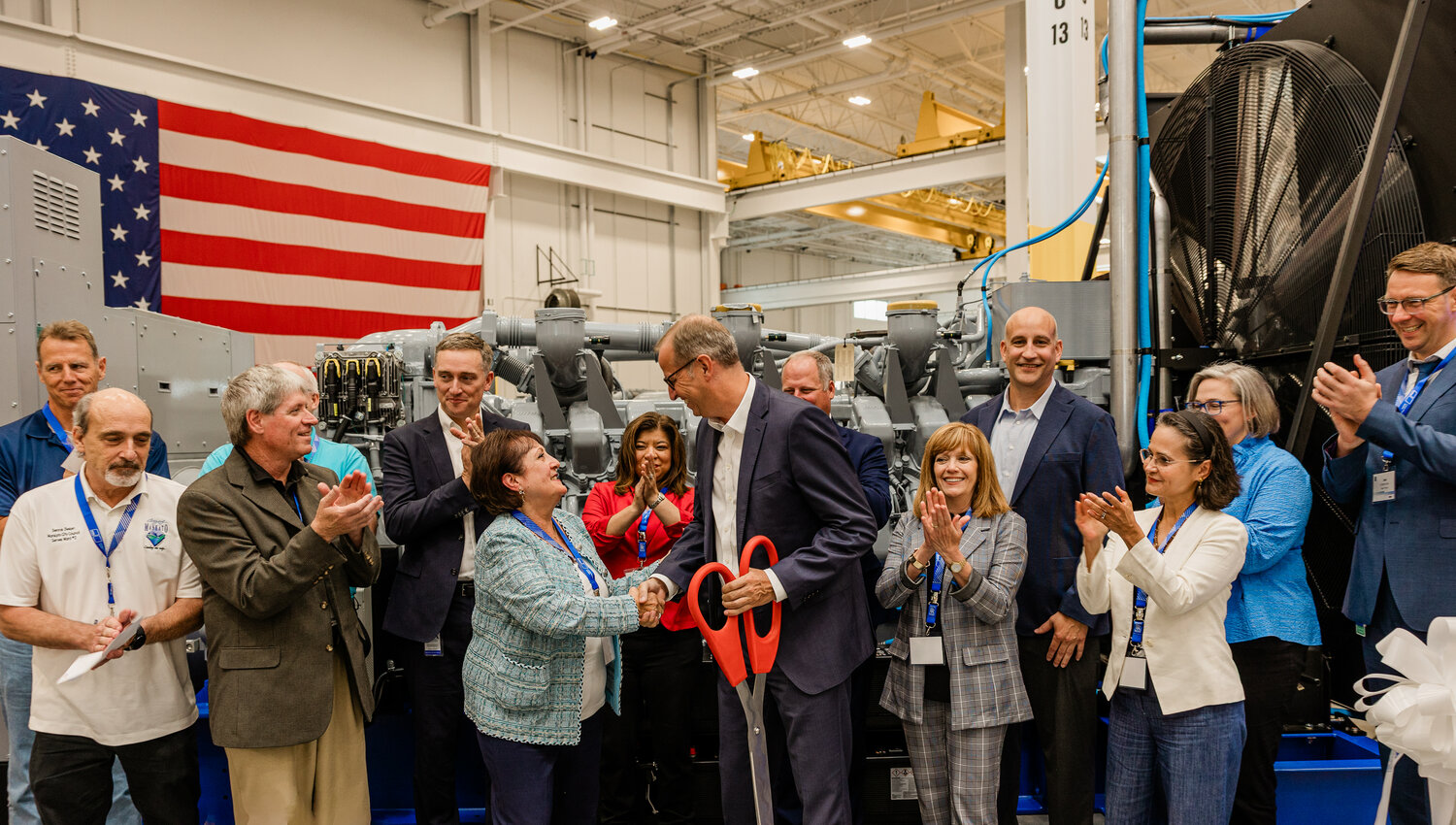
Rolls-Royce has opened a $24M Mankato facility to expand backup power output. The center will support data centers and other critical infrastructure nationwide.

USEFULL has launched its first senior living reuse program at The Glen. The model replaces disposable takeout boxes with tracked steel containers.

GAIA BioMaterials has gained European patent approval for PLA-free film materials. The compounds target compostable bags, aprons and other flexible uses.

FYUL is tightening supply chain visibility with TrusTrace. The move comes as brands face rising pressure for product-level proof.

Polartec is standardizing black fleece to reduce redundant dye work. The move could help outdoor brands simplify sourcing and cut waste.

Gateway Fleets’ 100-truck order shows a more practical path to EV adoption. The model bundles vehicles, charging and support for delivery operators.

Crab shell waste may help control how bioplastics degrade in seawater. The approach could improve durability while supporting circular material use.

LNG deliveries are reshaping Puerto Rico’s energy mix with steadier supply. The shift is improving grid reliability while lowering emissions.

Used cooking oil is now a target as biofuel demand surges. Theft is disrupting supply chains and costing restaurants and recyclers millions.

A Japanese biomaterials firm is extending plant-based inputs into consumer goods, using nail cosmetics as an early test case for broader material substitution.

Food waste is shifting from an unavoidable loss to a controllable cost. Restaurants are using recycling and diversion to improve margins.

Disposable lab gloves may be skewing microplastics data. That raises concerns for regulators, investors, and companies relying on it.

New research finds lead in some children’s clothing fabrics. The findings raise fresh concerns for fast fashion supply chains and product safety.

New reporting rules are bringing consistency to tire sustainability data. The shift could help buyers better compare environmental impact.

Paking Duck is expanding in Shenzhen with two new production sites. The move reflects rising demand for faster, customized packaging across global markets.

Abundia has partnered with Topsoe to deploy upgrading technology at a planned plastics-to-fuel facility in Baytown, Texas. The deal supports a project targeting a 2026 investment decision.

FedEx is testing reusable shipping boxes built for B2B logistics. The pilot aims to cut packaging waste while lowering costs in closed-loop supply chains.