
GAIA BioMaterials Gains PLA-Free Film Materials Patent

European approval supports compostable film options for packaging producers

Posted

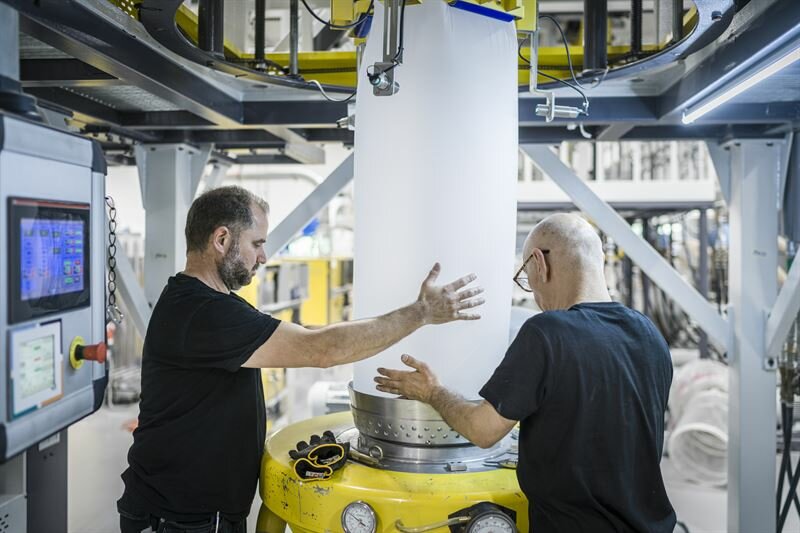
GAIA BioMaterials has received final confirmation of its European patent approval for PLA-free film extrusion materials, strengthening its intellectual property position in the compostable bioplastics market.

The patent, first filed in 2020, covers materials developed without polylactic acid, commonly known as PLA. Instead, the technology is based on a proprietary blend of biodegradable and compostable polymers and minerals designed for film extrusion applications.

For packaging manufacturers, the approval adds another option in a market where PLA has become widely recognised but is not always the most suitable material. Flexible films can require a specific balance of strength, processability, durability and end-of-life performance, particularly in high-volume applications.

GAIA’s patented compounds are already being used in products such as carrier bags, fruit and vegetable bags, waste bags and medical aprons. The company is also assessing further applications, suggesting the patent could support a broader platform for future film-based materials rather than a single product line.

Compostable Packaging Market Looks Beyond Standard PLA Solutions

The patent confirmation comes as packaging producers, retailers and industrial buyers continue to review alternatives to conventional plastics. Regulatory pressure, sustainability targets and customer expectations are keeping compostable and biodegradable materials high on the agenda.

For B2B buyers, the appeal of PLA-free compounds will depend on more than environmental claims. Commercial adoption is likely to be shaped by processing compatibility, cost, certification, supply reliability and access to appropriate composting or waste-management infrastructure.

GAIA’s European patent gives the company a clearer position in this developing segment, particularly for manufacturers seeking compostable film materials that can work in established extrusion processes. It also reflects the growing demand for bioplastic formulations that move beyond the most familiar ingredients and respond to specific packaging performance needs.

While the patent is a useful milestone, wider market uptake will depend on how effectively the materials perform at scale and how they fit into existing packaging, retail and waste systems. For now, the approval gives GAIA a stronger base from which to expand its PLA-free portfolio and engage manufacturers looking for practical compostable film alternatives.

Environment + Energy Leader