

Cigarette butts still lead coastal litter totals. Disposable vapes and nicotine pouches now add batteries, plastics and hazardous residues to this waste stream.
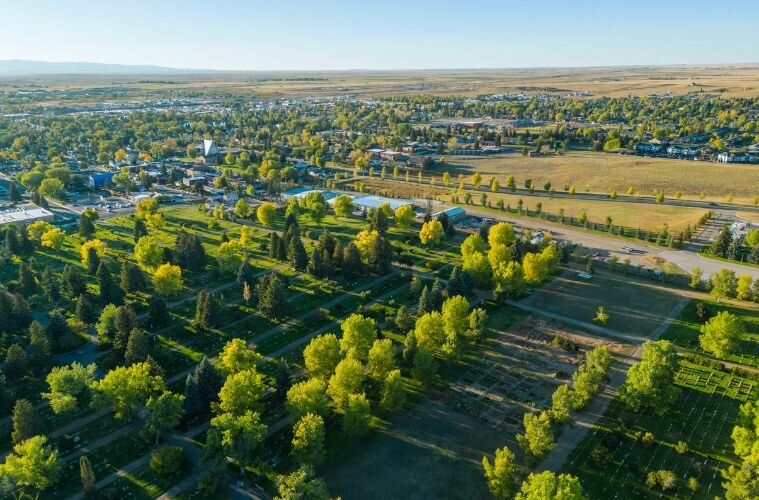
A Wyoming Supreme Court ruling affirms that counties can use land-use zoning, not just environmental permitting, to protect drinking water sources.
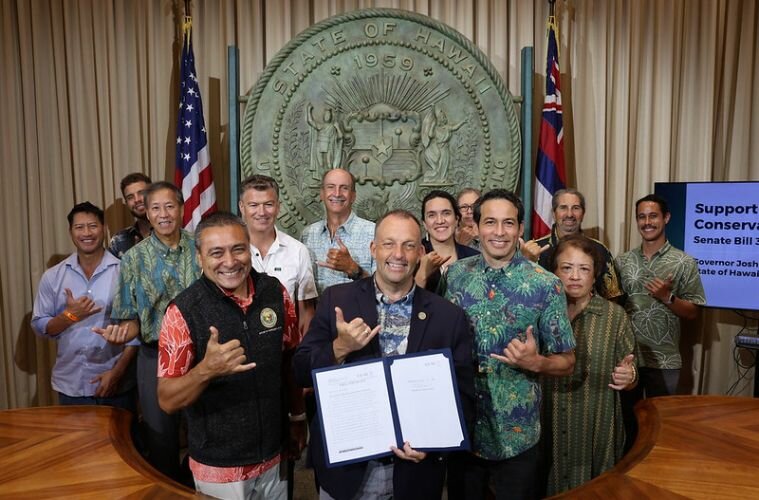
Hawaii formally recognized the Hawaii Conservation Sanctuary, a nonprofit modeled on New Zealand's Zealandia, for endangered species recovery work.

Biochar is getting a real-world road test. Verde and Ergon are moving their cold paving partnership toward field projects, carbon credits and commercial use.
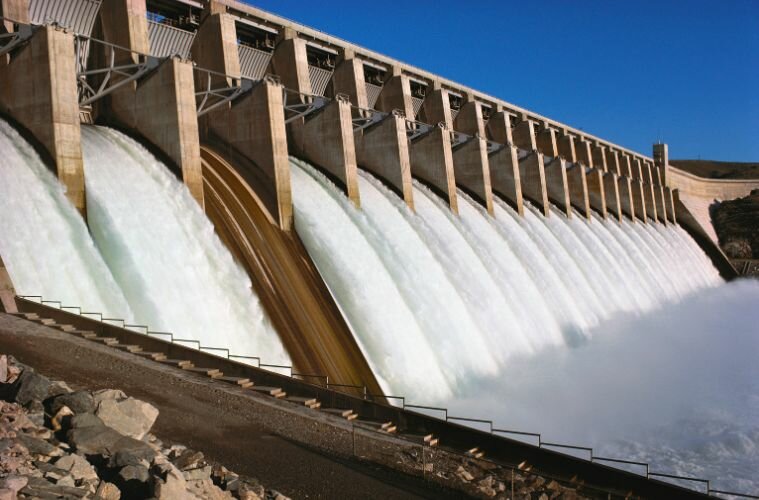
Curtailment orders, discharge limits, and insurance exposure are the water liabilities confronting industrial operations already built and operating in stressed basins.
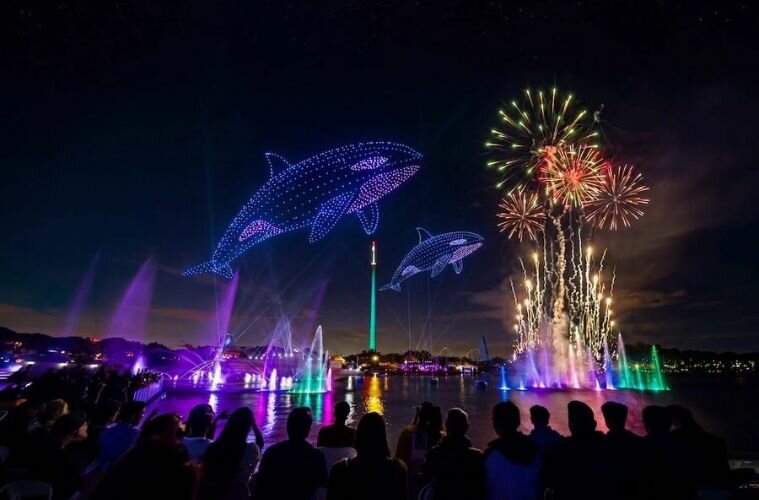
New 2025 research and a shelved EPA study add fresh evidence on fireworks pollution, as U.S. cities split over drone alternatives for July 4, 2026.

Costa Rica's experience illustrates what happens when environmental protection is treated as an economic design problem rather than a compliance obligation

A new University of Wyoming project highlights how DOE increasingly views coal plants as platforms for critical minerals, water savings, and carbon capture.
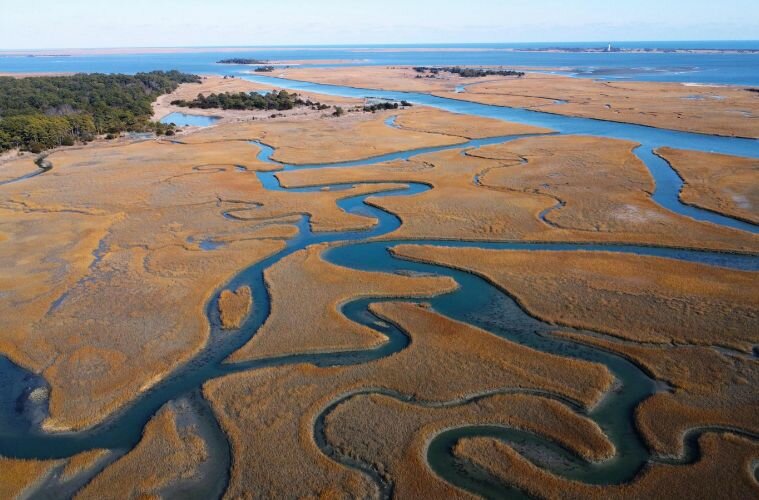
BOEM published a Request for Information June 23 on potential seabed mineral leasing off Virginia, covering 2,764 square miles near Chesapeake Bay. Comments close July 23.

Grid capacity limits, water constraints, permitting delays, and capital deployment challenges are increasingly converging on the same projects.

The EEA's 2025 bathing water report shows 85% of EU sites rated excellent, but river quality lags and new EU rules expand monitoring for PFAS and microplastics.

The Global Environment Facility's latest funding cycle prioritizes biodiversity, climate resilience, water management, and clean energy projects through 2030.

The Justice Department seeks dismissal of an NAACP Clean Air Act lawsuit against xAI, raising broader questions about enforcement authority and AI infrastructure.
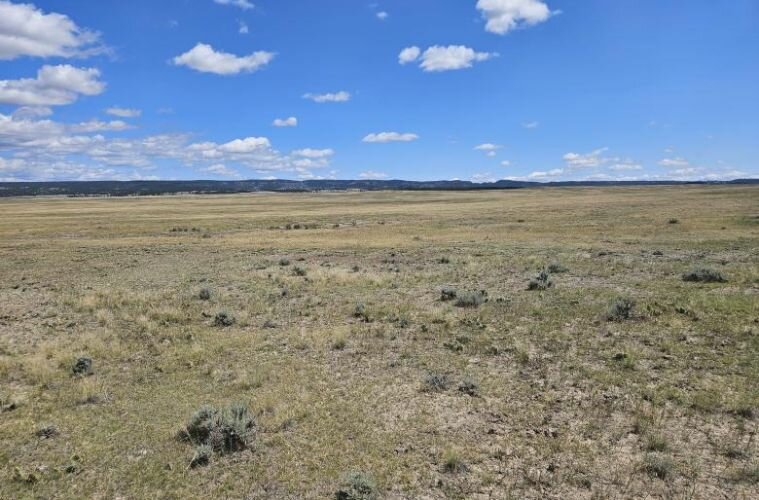
The BLM approved initial infrastructure for the Dewey-Burdock uranium project, advancing a long-debated in-situ recovery development in South Dakota.

A federal appeals court declined to halt a North Carolina water permit for the Mountain Valley Southgate pipeline, reinforcing agency discretion in environmental reviews.

A 344-foot timber roof is putting snow safety into focus at Vancouver’s PNE Amphitheatre. The project shows why planning for weather starts before installation.

Pennsylvania has addressed less than 2% of its documented inventory of orphaned and abandoned wells, each one a potential source of methane emissions, groundwater contamination, and safety risk.

Zurich Resilience Solutions analysis of 1,380 Southeast Asia renewable energy sites finds 75% of planned capacity at critical climate risk by 2030 and $165 billion in value at stake.

M-44 cyanide devices are back in the predator-control debate. For land managers, the issue now spans safety, liability, pets and endangered wildlife.

Wisconsin settled its PFAS enforcement case against Tyco Fire Products, requiring a $10M trust fund payment, replacement wells, and 20 years of groundwater monitoring in Marinette County.