

The Colville Tribes are taking charge of their energy future with microgrids that boost reliability, support critical services, and open paths to new revenue.

A new Penn State study finds higher melanoma rates in counties with more cropland and herbicide use, raising concerns about agriculture and cancer risk.

The DOE is buying 1M barrels of crude for SPR delivery in late 2025. It’s a slow, strategic refill aimed at boosting U.S. energy security without price shocks.

EPA has finalized Texas’ Class VI primacy, giving the Railroad Commission authority to issue CCS injection permits and potentially accelerating carbon storage projects.

Swish Solar secured $1.5M to scale its self-cleaning solar tech. The system removes dust and snow without water—cutting losses and cutting downtime.
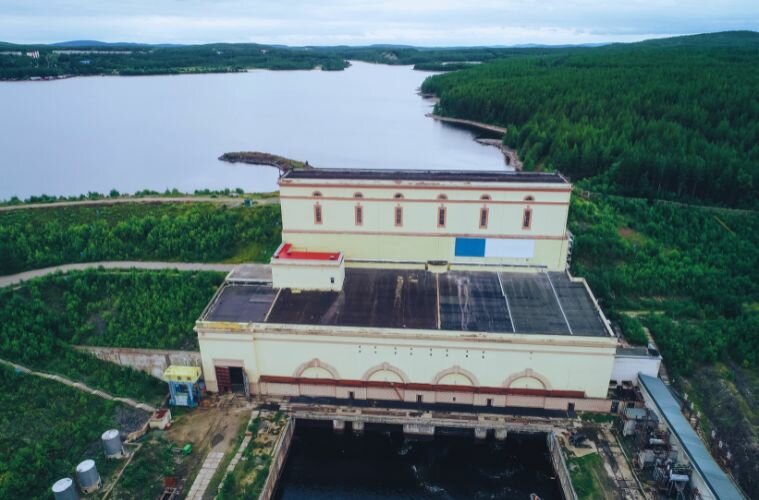
A new NHA webinar highlights growing opportunities to capture energy from bypass flows and pressure-managed pipelines as hydropower facilities modernize.

BioMADE’s new Iowa pilot plant will expand U.S. biomanufacturing capacity, strengthen supply chains, and create new markets for agricultural feedstocks.

DOE renews emergency orders to boost Puerto Rico’s grid ahead of peak demand, building on earlier actions that restored 820 MW and improved system reliability.

Feast & Fettle will open a new Elkridge facility, creating 250 jobs and scaling its zero-waste meal production model for customers across the Mid-Atlantic region.

A hailstorm damaged 13,000 vehicles at Kia’s Georgia plant. Now, a 10MW solar canopy shields inventory and supplies clean energy to the facility.
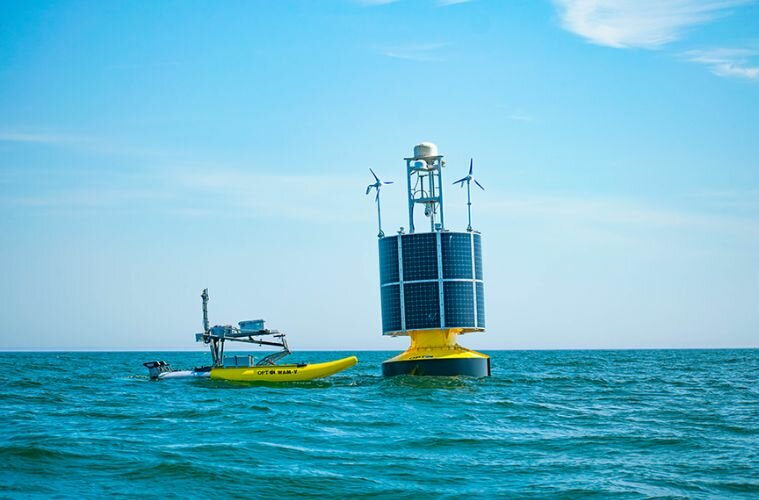
Ocean Power Technologies and Mythos AI will integrate advanced autonomy software into WAM-V and PowerBuoy platforms, expanding capabilities for defense and commercial users.

AI servers could consume 245 TWh of power and over 1 billion m³ of water by 2030, making energy and water the real bottlenecks in the race to scale artificial intelligence.
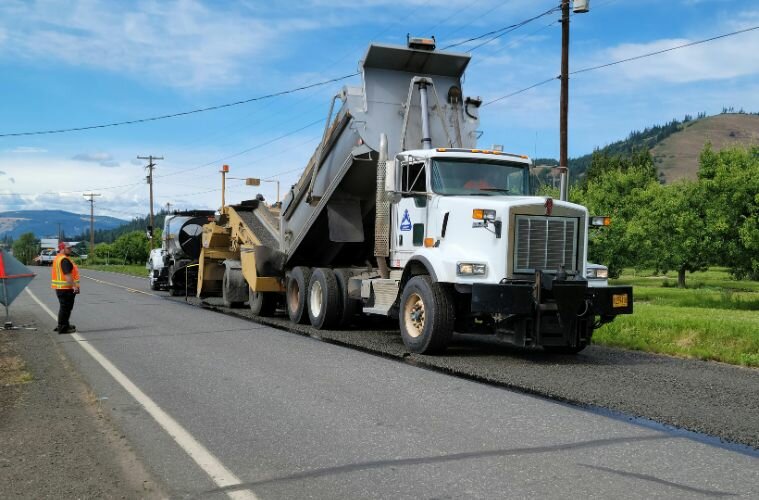
HB 3991 makes EV and hybrid drivers pay per mile, ends Oregon’s toll program, and adds stronger ODOT oversight to stabilize road funding and project delivery.

Nebraska and Iowa defend ethanol CCS reporting, while 18 states and cities warn EPA’s GHGRP rollback would undermine climate data and Clean Air Act duties.

South Carolina's largest conservation deal keeps 62,000 acres forested and productive. It’s a new model for climate resilience without economic trade-offs.

Boston is electrifying heat with a river-powered system in Cambridge. The Kendall Square project will deliver carbon-free steam to 70M sq. ft. of buildings.

Mississippi State’s new Energy Resilience and Innovation Hub joins a growing network of university-led centers driving clean energy, grid modernization, and workforce development across the U.S.
This session outlines PJM’s ELRP Price Floor Program and its $73K/MW-year return structure. View now.

RFF research finds the U.S. cannot achieve mineral independence alone. True resilience demands global cooperation and smarter trade alliances.

The U.S. Geological Survey’s 2025 Critical Minerals List expands to 60 materials, reflecting new national security and supply chain priorities.