

Vermont's Sustainable Data Centers Act has cleared both Senate committees and is now at third reading following a 26-to-3 floor vote on amendments.

FERC approved PJM's updated transmission cost assignments on May 15, covering 358 new reliability projects effective June 14, 2026, with a 30-day compliance filing required on cost allocation methodology.

France's nuclear fleet reduces output every summer as river cooling limits are exceeded. For multinationals with European operations, the seasonal price spike is now predictable enough to plan around.

NERC puts 13 of 23 North American grid regions at elevated or high risk. When mutual aid fails because neighboring regions are stressed simultaneously, continuity plans built for single-region events break down.

Water is increasingly shaping where companies invest, how facilities operate, and whether growth plans hold. What was once treated as a regional or environmental issue is now emerging as a national economic variable with direct implications for reliability, cost, and long-term resilience.
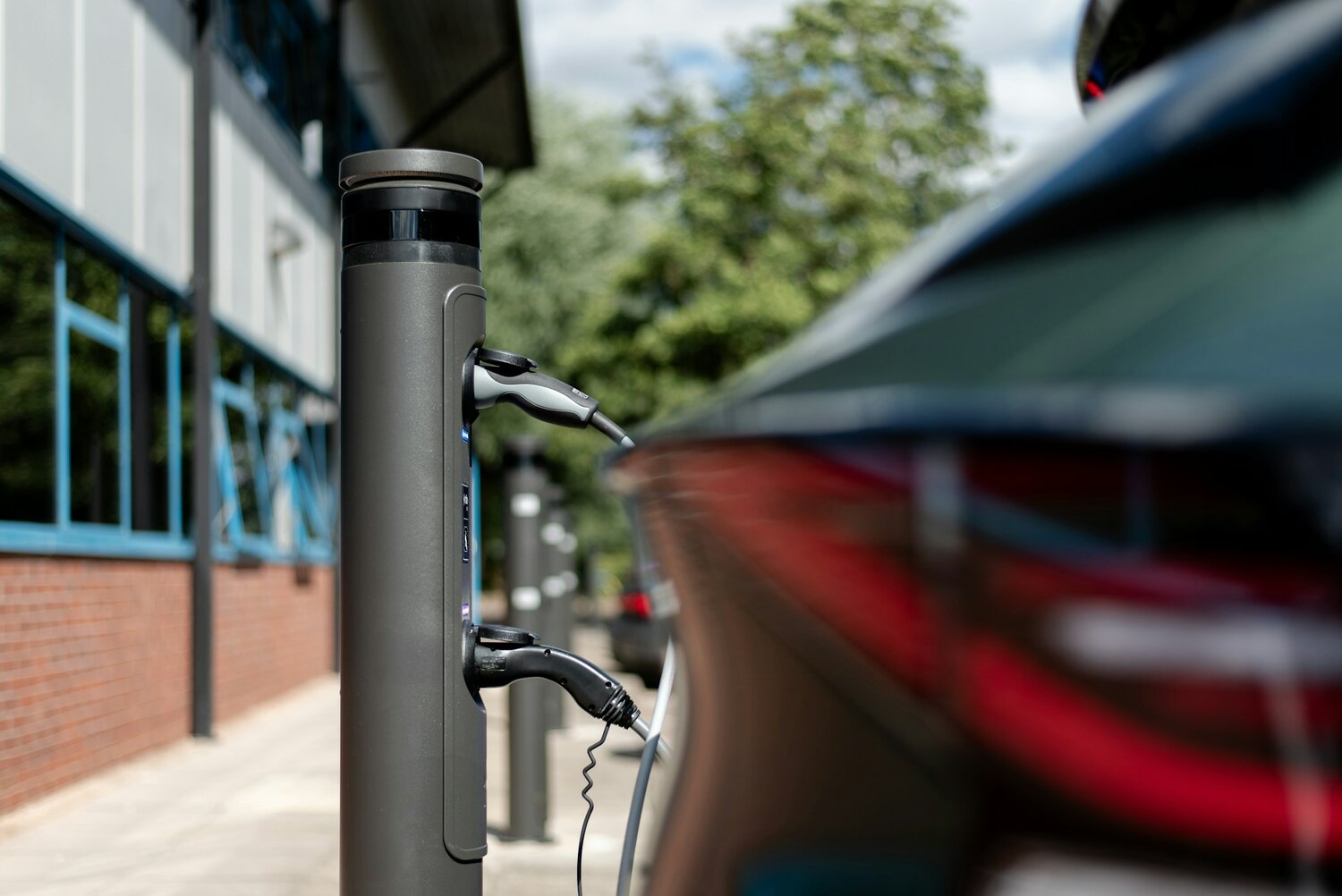
InstaVolt is using battery storage to cut grid pressure and support faster EV charging. The move could help operators grow while connections lag.

UHERO's 2026 Housing Factbook documents declining condo prices, surging insurance premiums, and new FEMA flood map changes arriving in June that will raise carrying costs further.
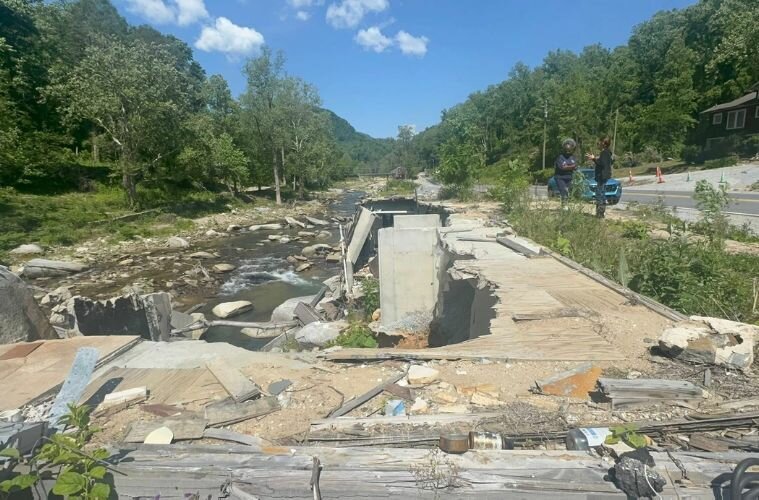
FEMA approved $1.2 billion across seven southeastern states for COVID-19 pandemic reimbursements and disaster recovery work tied to Hurricane Helene.
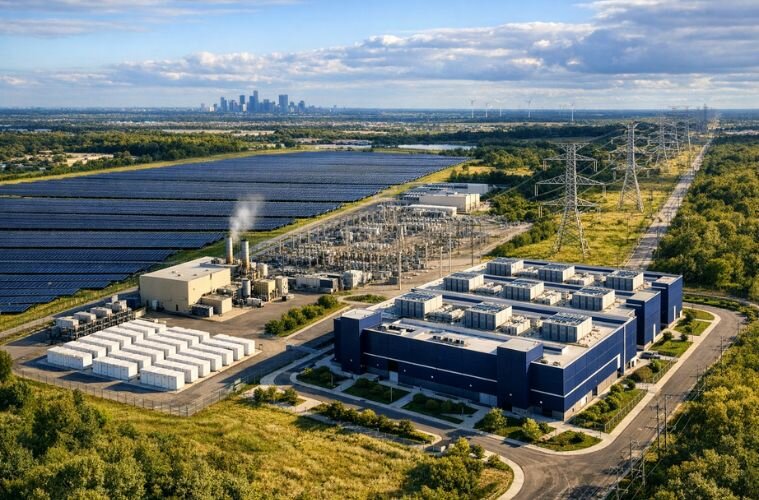
The leading edge of corporate energy procurement in 2026 is not a sustainability conversation. It is an infrastructure conversation.

A convergence of policy changes, carbon pricing, corporate decarbonization pressure, and rapid growth in corporate PPAs is reshaping how companies operating in Japan evaluate electricity procurement.

Zelestra’s 6.5 MWdc Ginosa plant is now online in Puglia. The project links clean power with continued farming, a long-term PPA and student training.

A Utah-Japan pilot will test tungsten recovery from old mine tailings. The project could support cleaner critical mineral supply chains.

A single number often drives multimillion-dollar infrastructure decisions—cost per watt, cost per port, cost per megawatt. But across solar, EV charging, and data centers, that number is frequently built on inconsistent assumptions, making comparisons look precise when they are not.

What do industrial operations leaders heading into contract renewals in 2026 need to know?

SANY is scaling local production as global equipment rules tighten. Its 2025 report links electrification, digital oversight and compliance.

Vulcan’s Frankfurt lithium plant moves Europe’s battery supply plans closer to production. NORAM will supply electrolysis technology for refining.

Louisiana SCR 68 creates a blockchain task force with no seats for utility regulators or grid planners, a structural gap other states have moved to close through energy oversight requirements.
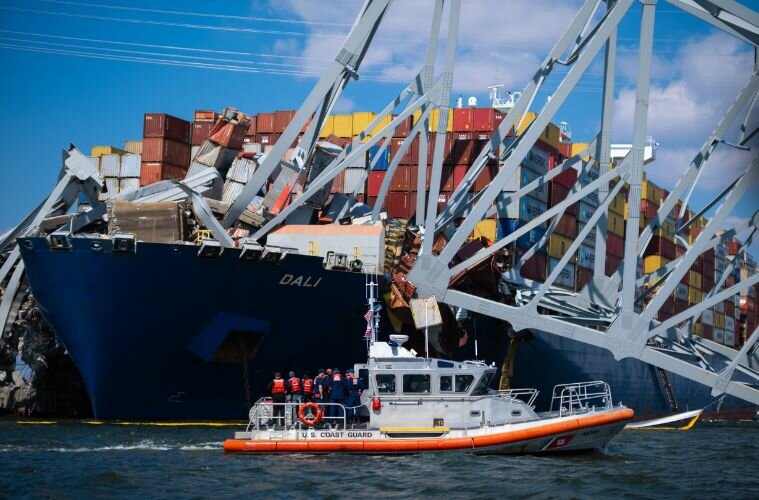
Federal grand jury charges Synergy Marine Group on 18 counts for the MV Dali Key Bridge allision, including six counts of misconduct resulting in death and environmental violations.

Durham's Society 5.0 model shows how integrated infrastructure intelligence is becoming a material factor in corporate investment and workforce decisions in 2026.

The Hormuz closure did not create new risk in corporate energy portfolios. It made visible the risk that was already priced at zero.