

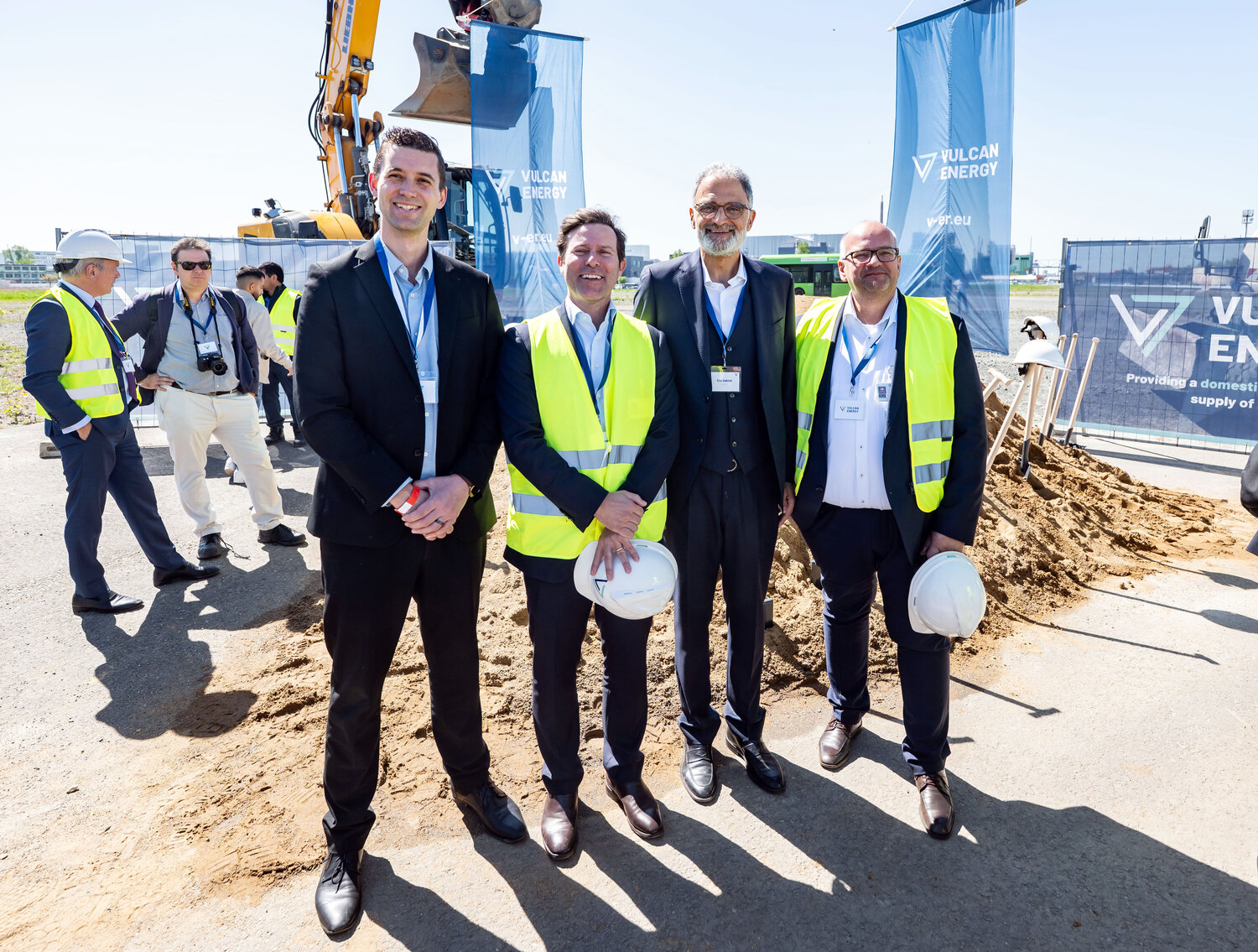
NORAM’s role in the Lionheart Project gives its electrochemical refining technology a commercial-scale application in the battery materials market. The company’s platform is being positioned for lithium refining, industrial chemical processing and waste-stream recovery.
The Frankfurt plant also reflects a broader shift in how lithium projects are being developed. Vulcan is not treating extraction and refining as separate pieces of the value chain. Its model combines geothermal brine production, renewable energy and downstream conversion into battery-quality material.
That approach is likely to draw interest from manufacturers trying to reduce supply chain exposure while meeting stricter expectations around sourcing and emissions. It also fits with Europe’s wider push to localise more critical minerals processing, rather than relying heavily on imported refined materials.
Construction follows Vulcan’s positive Final Investment Decision and a $2.59 billion funding package secured in December 2025. Commercial production is targeted for the second half of 2028.
The timeline shows how complex these projects remain. Capital, permitting, technology integration and industrial partnerships all have to line up before local lithium refining can make a measurable difference to supply chains.
The Frankfurt project is a notable signal for Europe’s battery economy. Domestic refining capacity is becoming a strategic priority, and electrochemical processing technologies such as NORAM’s are moving from the margins into real industrial deployment.


