
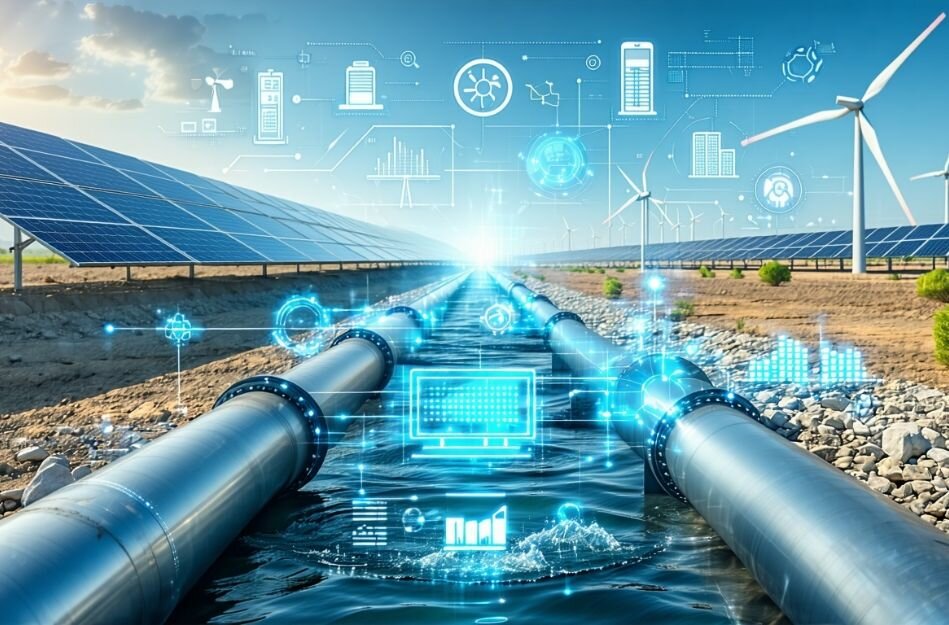
Explore Governor Newsom’s initiatives to modernize California’s infrastructure, from expediting the Delta Conveyance Project to record-breaking growth in battery storage capacity.
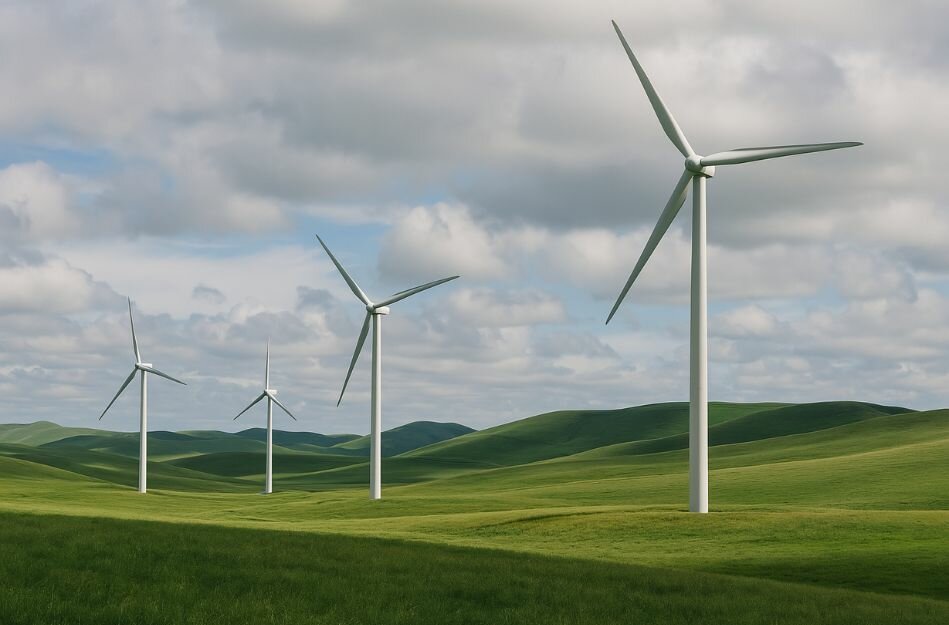
Oregon is shifting its wind energy regulations, raising the site certificate threshold from 50 MW to 100 MW. How will this impact developers and local permitting?
Pennsylvania’s General Assembly advances Governor Shapiro’s Lightning Plan, passing key clean energy incentives. The EDGE Tax Credit and Community Energy Act aim to drive billions in investment and create energy jobs.

The SBA is offering low-interest disaster loans to small businesses and nonprofits in Colorado and other drought-affected states. Learn how these loans can support economic recovery.
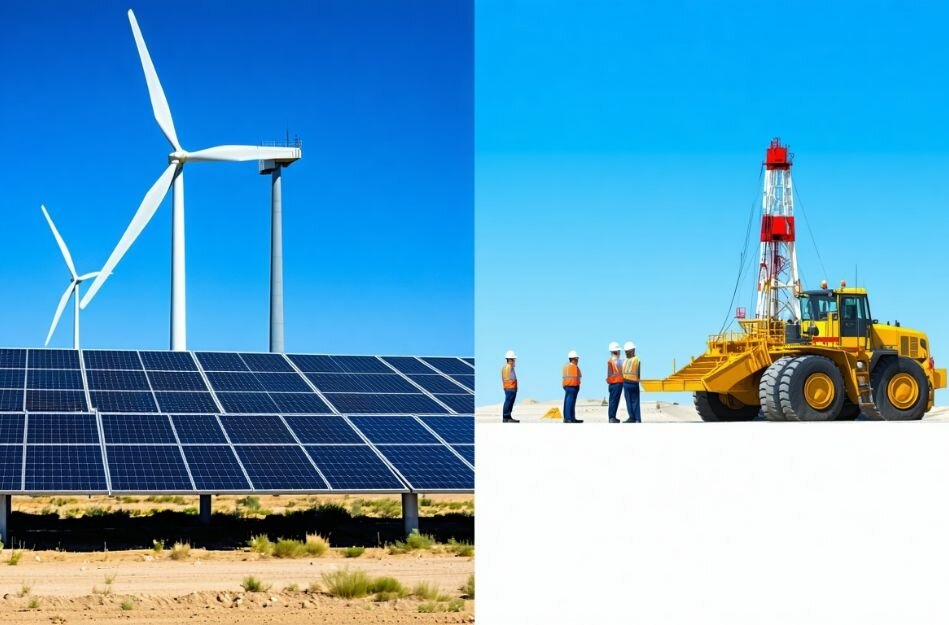
The Bureau of Land Management (BLM) announces major energy policy changes, including rescinding renewable energy incentives, streamlining oil and gas leasing, and fast-tracking permits.

New Hampshire’s HB 710 positions advanced nuclear resources (ANRs) as a key part of energy diversification, reflecting a broader U.S. trend of state-driven nuclear policy shifts.

Delaware’s Senate Bill 72 requires public drinking water systems to report PFAS levels and mandates consumer notifications when contamination exceeds legal thresholds—advancing water safety protections ahead of federal timelines.

Maryland Governor Wes Moore signs SB 901 into law, making Maryland the sixth U.S. state to adopt Packaging Extended Producer Responsibility (EPR). The law aims to modernize recycling systems and support a circular economy.
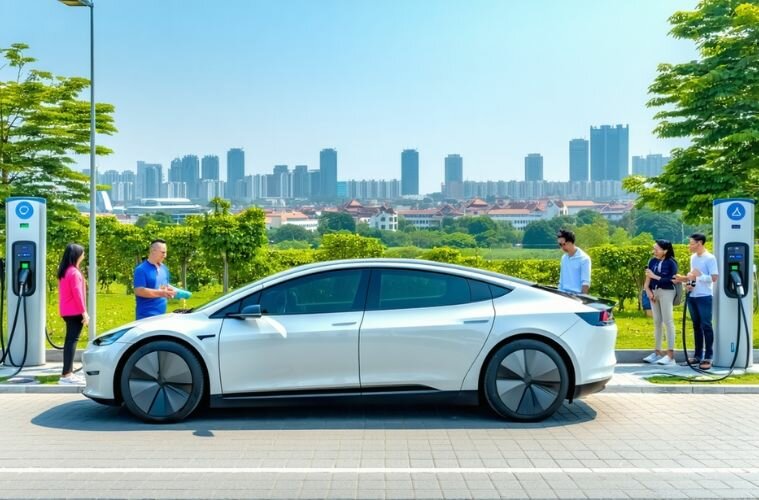
As of May 2025, Vermont, Maryland, Virginia, and California have altered or paused their EV sales mandates. State officials cite market readiness, infrastructure gaps, and federal uncertainty.

Green Recycle USA will invest $4.3 million to open a plastics recycling facility in Pittsylvania County, Virginia, creating 28 jobs and supporting circular economy goals in Southside Virginia.
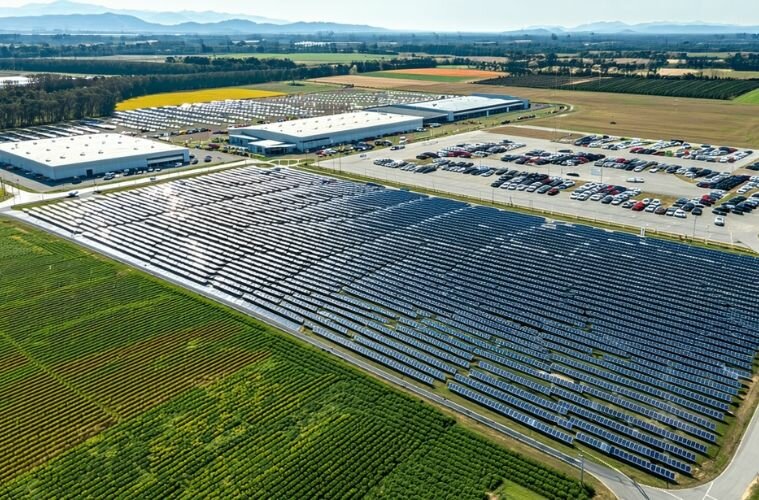
New York Senate Bill S07899 guides renewable energy projects to parking lots, brownfields, and agrivoltaic farms, balancing infrastructure with land conservation.
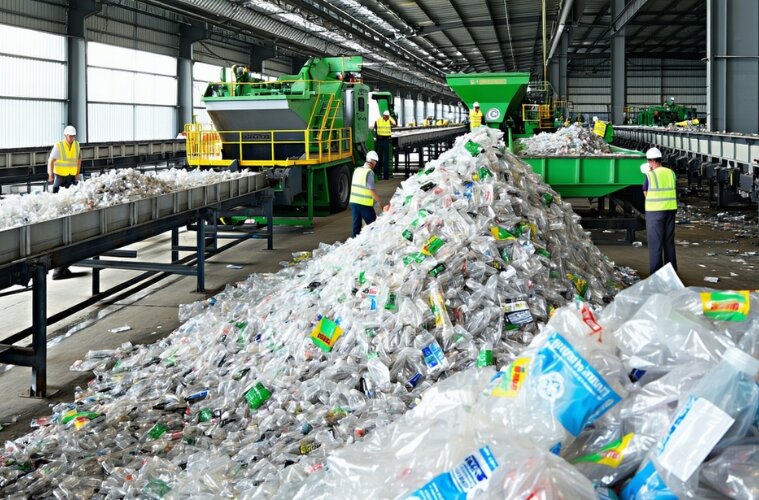
The UK faces a 2027 deadline to mandate curbside plastic film recycling. Explore infrastructure gaps, policy hurdles, and WRAP’s roadmap to scale recycling efforts.
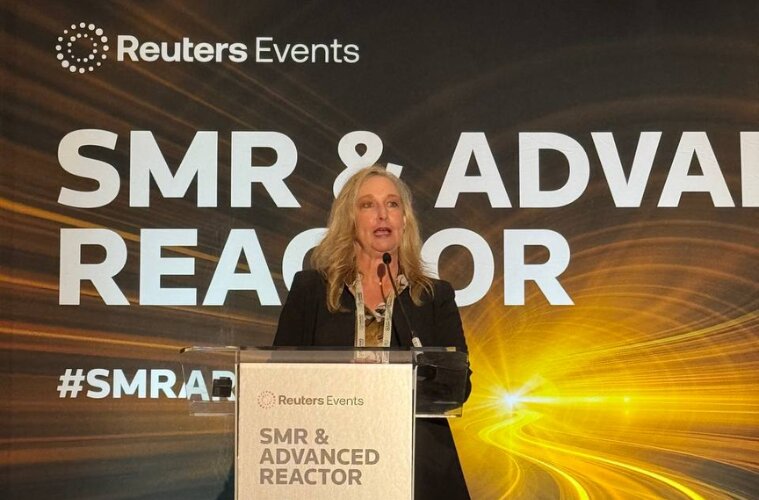
The Vogtle Units 3 and 4 expansion offers critical insights into consortium collaboration, risk management, and the complex realities of first-of-its-kind nuclear construction in the U.S.

Iowa senators voted 27-22 late Monday to pass a bill to limit the ability of carbon sequestration pipelines to use eminent domain, sending it to the governor’s desk after a drawn-out debate.
The U.S. Department of Energy proposes cutting 47 regulations to reduce costs and boost energy production, sparking praise from fossil fuel sectors and criticism from environmental and equity advocates.

Texas H.B. 2790 advances to limit liability for carbon capture operators, boosting legal certainty for CCS projects. Law could take effect September 1, 2025.
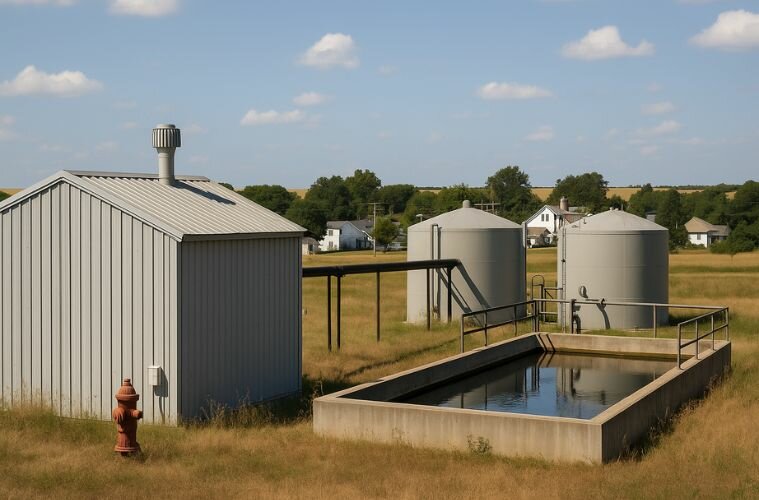
Oklahoma House Bill 1438 becomes law without Governor Stitt’s signature, increasing funding caps for rural water infrastructure grants and signaling legislative independence.

The Trump administration is eying the possibility of oil leasing in Arctic Ocean areas more than 200 miles from shore, an area where U.S. territorial rights are unclear.
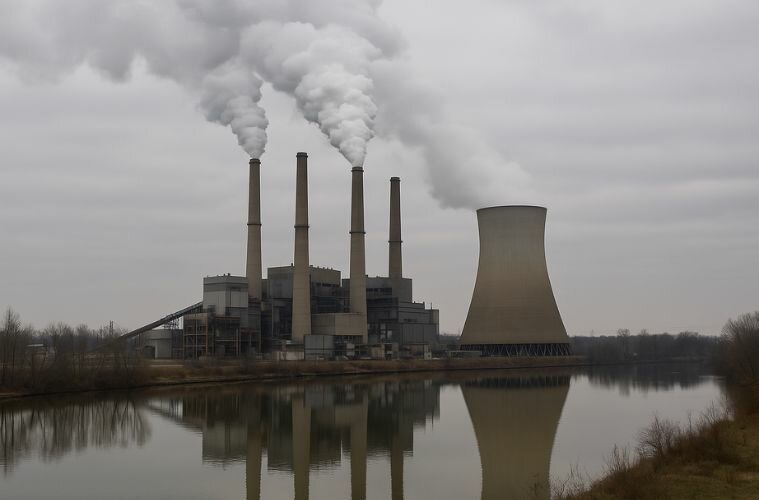
Sierra Club's new dashboard highlights how Indiana coal plants may bypass pollution cuts under Trump-era EPA rollbacks, raising utility and public health concerns.
The EPA's 100-day recap reveals deep alignment with Project 2025's goals, emphasizing deregulation, fossil fuel support, and state authority over environmental oversight.