
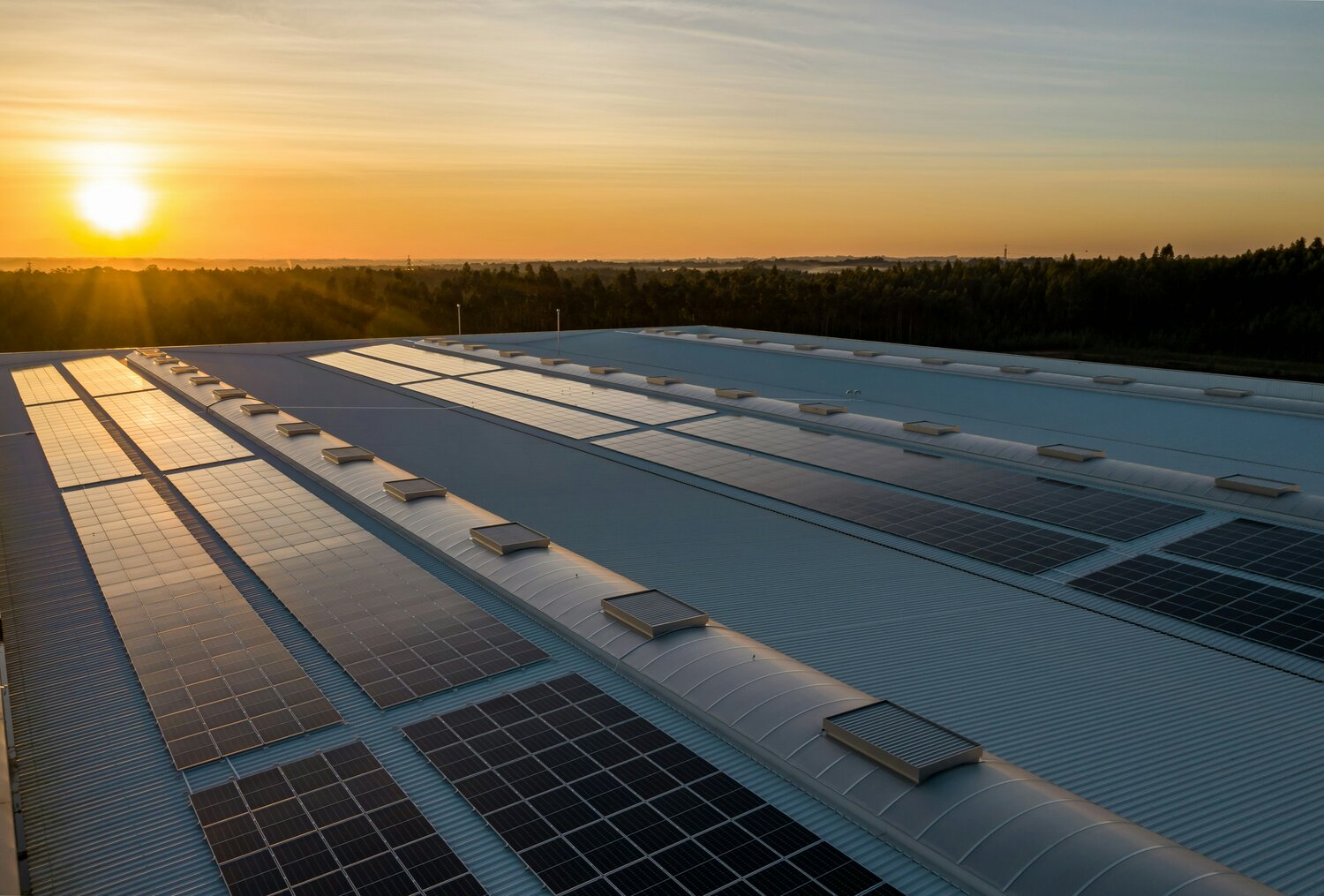
ISO New England's 2026 CELT Report adds its first behind-the-meter battery forecast and flags a winter peak timing problem tied to heat pump adoption growth through 2035.

Renewable energy supplier instability is creating counterparty risk that corporate finance and C-suite teams have not priced into existing supply agreements.

Energy contracts signed in 2021 and 2022 contain clauses procurement and finance teams are now being forced to act on. What to audit before Q3 capital planning closes.

The cost of not investing in climate health systems is quantifiable, and the financial return on investing in them is exceptionally high.

The companies that built their energy strategy around efficiency are discovering a gap between what that strategy promised and what it has delivered.

FYUL is tightening supply chain visibility with TrusTrace. The move comes as brands face rising pressure for product-level proof.
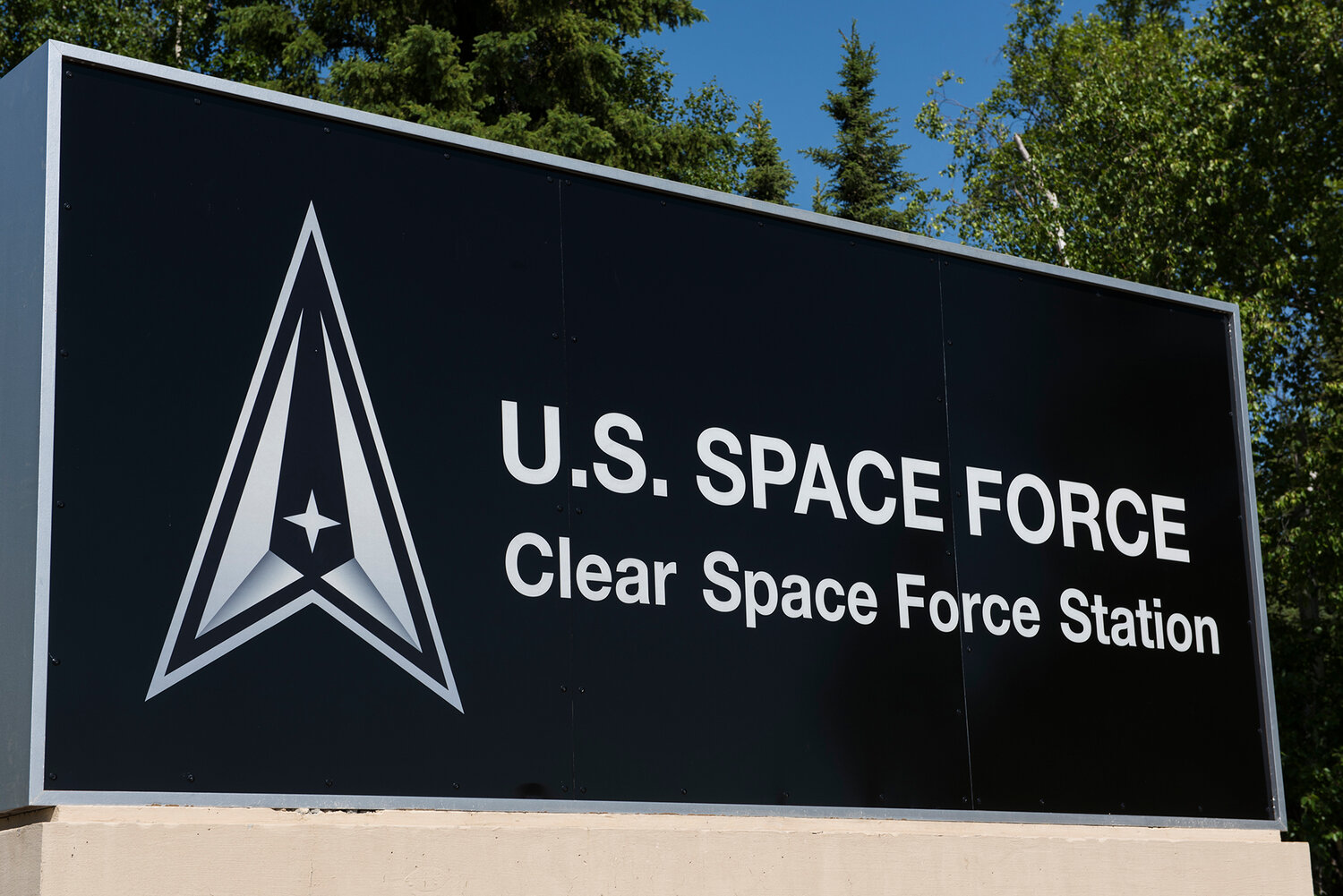
AFRL’s $18M contract will test large-capacity energy storage for Air Force missions. The goal is stronger power resilience in tough conditions.

Nine Florida schools earned Melbourne's 2026 ECO School Awards for integrating sustainability, conservation, recycling, and habitat programs into campus life and community engagement.

The voluntary carbon market has a credibility problem that is no longer contained to specialized environmental circles.

A 40,000-acre hyperscale data center and power generation campus cleared its first regulatory hurdle in northern Utah this week.

New Mexico launched a public dashboard to monitor its 50-year water action plan as the state faces a projected 750,000 acre-foot shortage

Building energy models were calibrated against climate conditions that no longer exist. Facilities leaders need to understand what that means for efficiency projections and equipment design.

Why flooding, heat, and drought are degrading facility values and restricting insurance access faster than corporate financial models account for.

Gateway Fleets’ 100-truck order shows a more practical path to EV adoption. The model bundles vehicles, charging and support for delivery operators.

The federal BFPP defense protects brownfields buyers from CERCLA liability, but state programs differ significantly. What EHS and legal teams need to understand before acquisition.

Organizations that haven't conducted a systematic PFAS exposure assessment are making that decision by default, and the cost of finding out later is rising.
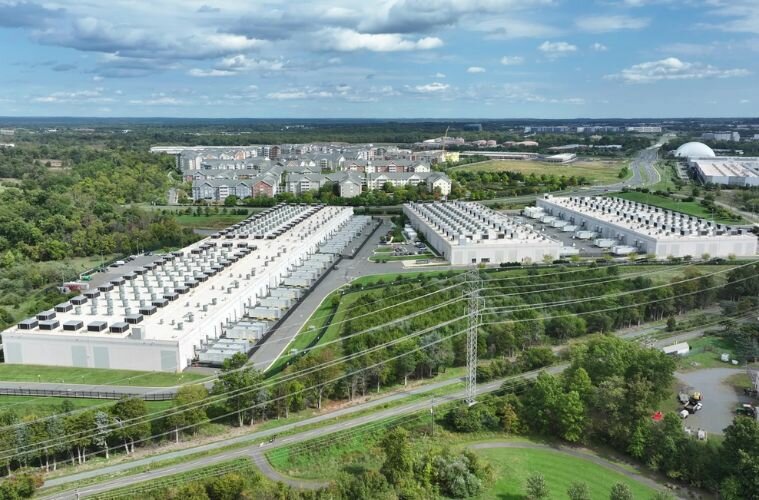
The arithmetic of corporate energy efficiency has stopped working for a growing number of technology-intensive companies.

Mosaic SoC has raised $3.8m to support lower-power spatial awareness. Its chips target wearables, AR glasses and phones where battery life is critical.

Corporate budgets are forcing a choice between efficiency upgrades and resilience investments. What operations leaders need to understand before Q3 capital planning.

U.S. battery supply chain plans are shifting into real projects. New federal funding is backing domestic electrolyte production and reducing reliance on imports.