
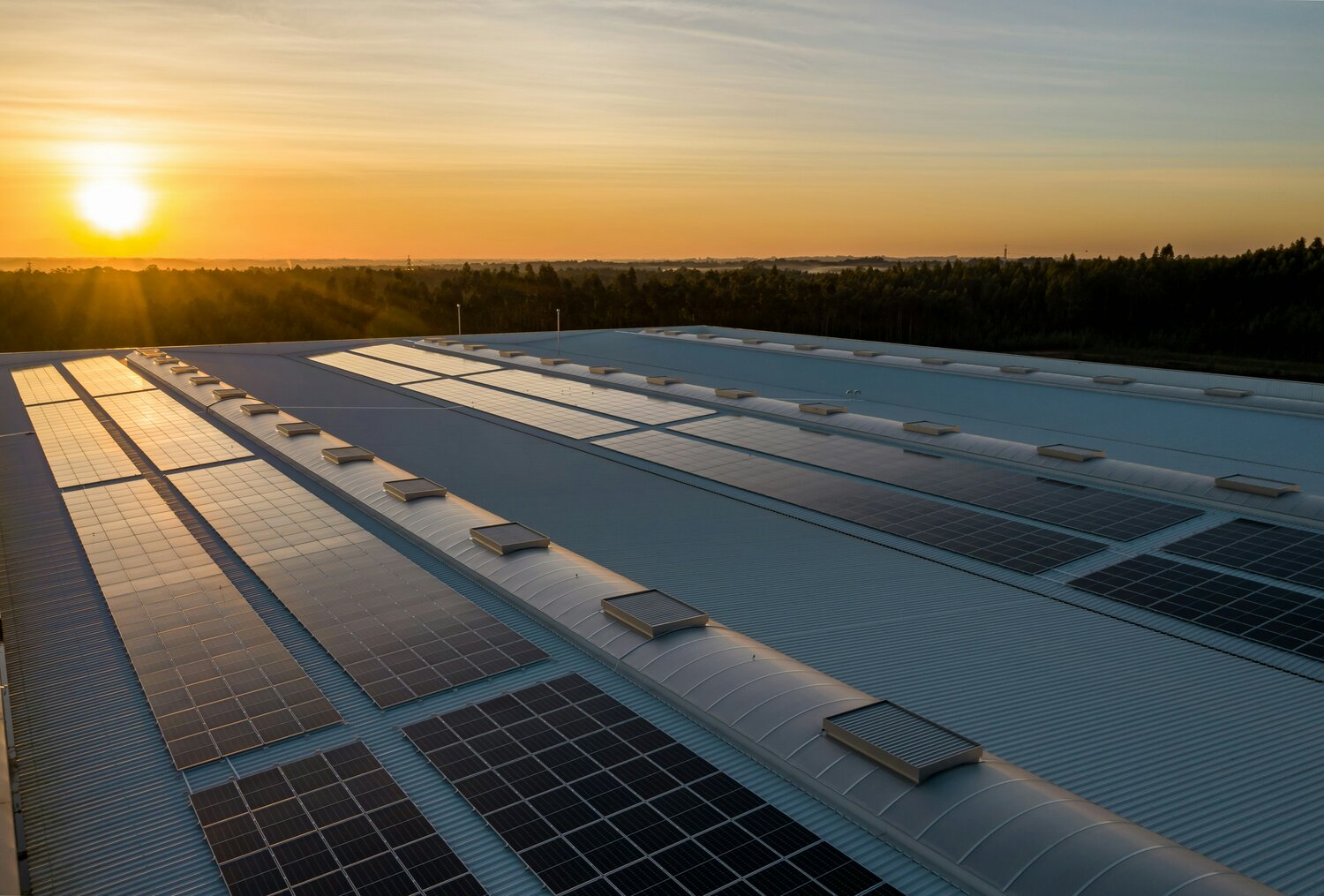
ISO New England published its 2026 Forecast Report of Capacity, Energy, Loads, and Transmission on May 1, adding behind-the-meter battery energy storage systems to a planning document that has tracked distributed solar for years. This is the first time the CELT Report has included a formal forecast for behind-the-meter batteries, defined as systems under 1 MW co-located with rooftop solar. The ISO currently estimates approximately 111 MW of such systems are installed across the region today.
The 2026 report projects 173 MW of behind-the-meter battery additions over the next ten years, with the majority concentrated in Massachusetts. The ISO describes the technology as an emerging segment likely to remain a small share of the region's overall electricity landscape through 2035, with growth trajectory dependent on declining equipment costs and state incentive programs. The federal Investment Tax Credit's expiration has already produced a more conservative behind-the-meter solar forecast compared to prior years, though state-level programs continue to support growth.
BTM Solar Is Offsetting 7,056 GWh of Grid Demand in 2026 and Shifting the Summer Peak Hour
Behind-the-meter photovoltaic capacity across New England is projected at approximately 5,500 MW by end of 2026, rising to 7,950 MW in 2035. The 2026 CELT data shows BTM solar reducing annual grid energy consumption by 7,056 GWh this year, a figure that climbs to 10,197 GWh by 2035. Without that offset, regional electricity use would run approximately 6% higher in 2026 and 8% higher in 2035.
One structural consequence of widespread BTM solar adoption is already visible in summer peak timing. As more generation comes online during midday hours, peak demand has shifted toward sunset. The 2026 CELT projects an average summer peak reduction of 1,936 MW from BTM solar through 2035, but notes that the evening-shift in peak timing limits the incremental impact of additional solar capacity on peak demand going forward. More panels do not proportionally reduce the peak once the peak hour has moved past the solar generation window.
Winter Peak Uncertainty Creates a Battery Dispatch Problem After 2030
The more operationally significant finding in the 2026 CELT is the winter peak problem introduced by accelerating heat pump adoption. As heating electrification increases electricity demand in the morning hours before the business day starts, ISO-NE projects that winter peaks will increasingly occur in the morning rather than the evening after 2030. By 2035, behind-the-meter solar is projected to reduce winter peak demand by 316 MW as early morning sunlight begins to coincide with peak hours.
For behind-the-meter batteries, this creates a dispatch timing problem. Retail peak-shaving programs instruct batteries to discharge when grid demand is highest. When winter conditions produce similarly high demand in both morning and evening, batteries discharged in anticipation of a morning peak may be empty when an evening peak arrives. The 2026 CELT accounts for this by assigning a winter 2035 peak reduction value of 0 MW for behind-the-meter batteries, reflecting a 50% probability that battery dispatch will miss the actual peak load event. The electrification forecast shows combined transportation and heating demand additions of 393 GWh regionally in 2026, reaching 14,239 GWh by 2035, with Massachusetts accounting for the largest single-state share in both categories.


