

Physical logistics limits are reshaping sourcing, inventory placement, and customer commitments earlier than planning cycles anticipated.

Eaton is separating its Mobility Group to double down on electrical and aerospace growth. How will that reshape the mobility supply chain?

South Koreans are ready to pay for cleaner freight. A new study finds strong public support—and funding potential—for hydrogen fuel cell trucks.

Fleetzero has raised $43M to expand its hybrid marine systems. The Houston-based startup is betting on electrification as shipping eyes lower emissions.

The Aircraft Drinking Water Rule sets clear standards—but new data shows uneven compliance across U.S. airlines.

Recent self-driving vehicle incidents highlight both the promise and limits of autonomous technology as executives weigh sustainable transportation strategies.

The Port of Rotterdam is deploying large-scale shore power across three container terminals as EU maritime emissions rules approach.

United Rentals scales an AI-powered maintenance platform with AWS to speed repairs, improve fleet utilization, and support safer equipment servicing.
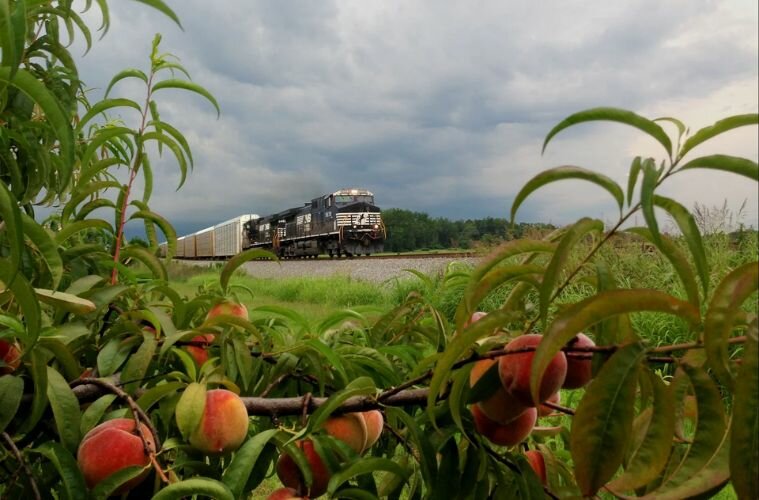
Union Pacific and Norfolk Southern filed an STB merger application to create the first U.S. transcontinental railroad, citing competition, efficiency, and emissions benefits.

Clean hydrogen is emerging as essential U.S. infrastructure, shaping trade competitiveness, manufacturing resilience, and emissions performance in carbon-constrained markets.

ATR earns a CDP B score for the third consecutive year, reflecting management-level climate action, SBTi-validated targets, and progress on aviation decarbonization.

Fort Collins Transit will replace six aging CNG buses with FTA-funded low-emission models, improving service reliability and reducing NOx and PM emissions.

Peterbilt launches three new medium-duty EVs built for delivery, utility, and vocational fleets. Fast charging and versatile specs support real-world demands.

Purity Gas lands a major Alberta contract for on-site nitrogen systems. The move reflects industry demand for cost control, reliability, and lower emissions.

Global shipping CO2 rose 9.3% from 2019–2024 as trade and route distances grew, with containers and bulk carriers driving most emissions despite efficiency gains.

AI-powered vision systems are reshaping maritime safety, enabling real-time detection of vessels, debris, and marine mammals while supporting autonomous operations.

Released in November 2025, new maritime SMR research shows global nuclear and shipping agencies must build unified safety, liability, and port-access rules.
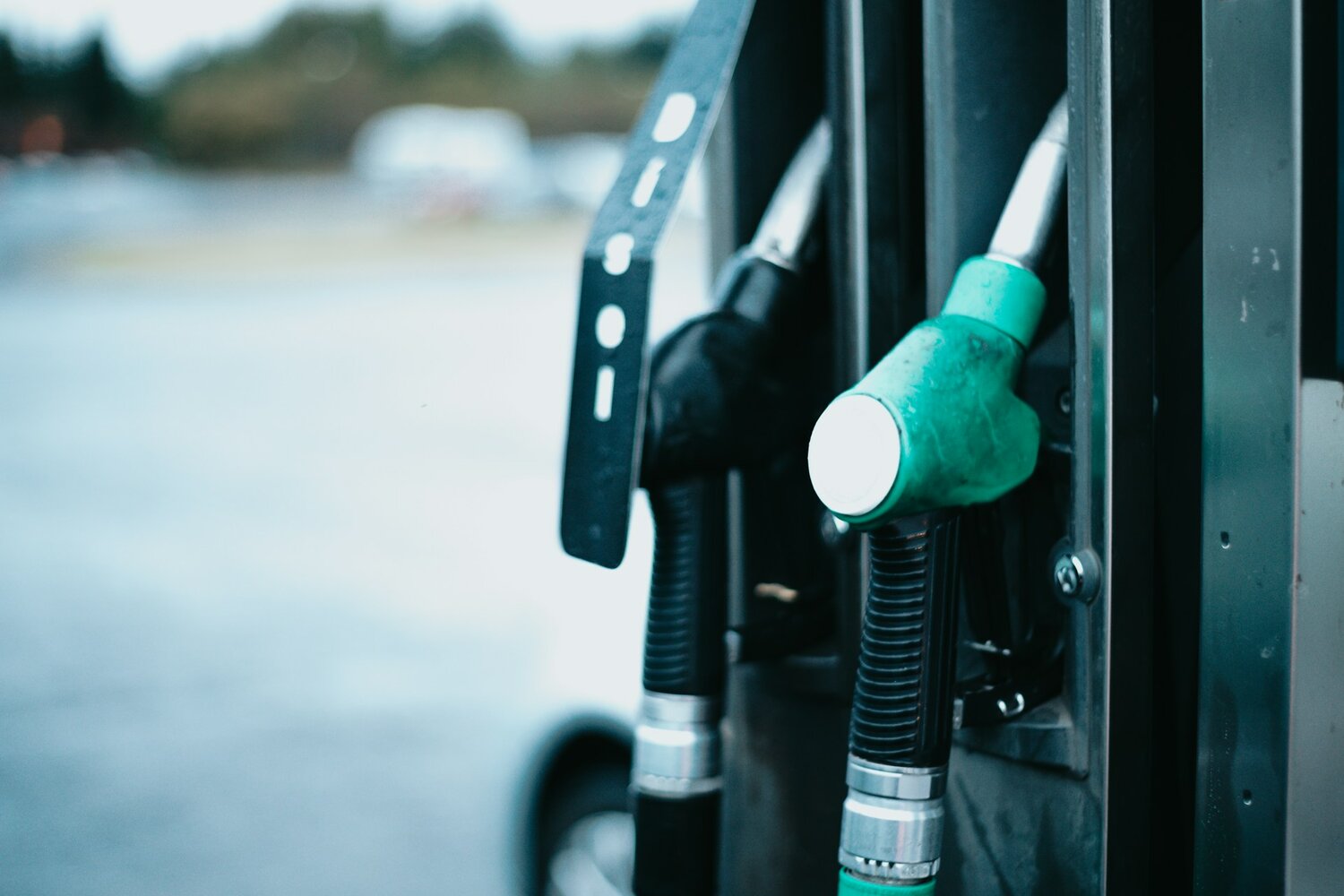
Massport has signed a major deal with Broco Energy to supply renewable diesel across its operations. The move signals a broader shift in regional fuel strategy.

Methanol is ready to power low-emission shipping, but high costs and tight supply are slowing its rise. Regulatory clarity will be key to scaling adoption.

California is opening the door to E15 fuel, aiming for cleaner air and cheaper gas. Early tests show lower emissions, but full rollout depends on regulators.