

A Dutch project pairing a data center with greenhouse growers shows how waste heat recovery can reduce grid congestion while replacing natural gas.

Four U.S. advanced reactor experiments reached criticality by a July 4 target, producing new data on how quickly designs can move from construction to testing.

Kevin O'Leary's Utah data center plans to run on dedicated natural gas, joining a growing list of AI campuses built to sidestep grid connection queues.

Intel is cutting Data Center Group jobs even as AI infrastructure spending is set to reach $487 billion in 2026, per IDC, as electricity demand keeps rising.

Gyre Energy has secured $1.3 million to expand its AI cooling platform. A major cold-chain project could test whether earlier savings continue at greater scale.

Ireland's CRU now requires data center developers to prove a credible renewable energy plan before connecting, replacing a broad regional grid approach.
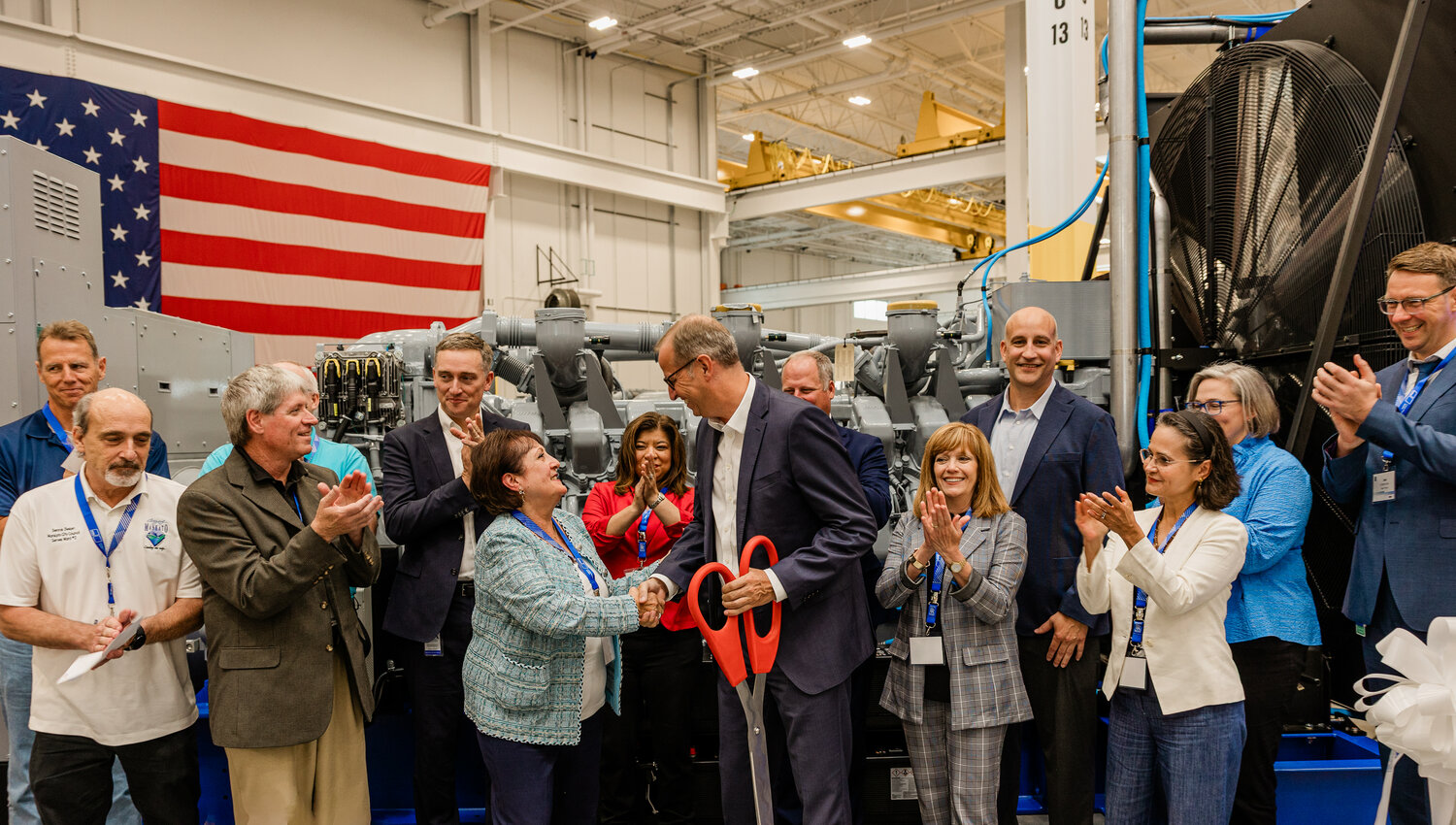
Rolls-Royce has opened a $24M Mankato facility to expand backup power output. The center will support data centers and other critical infrastructure nationwide.
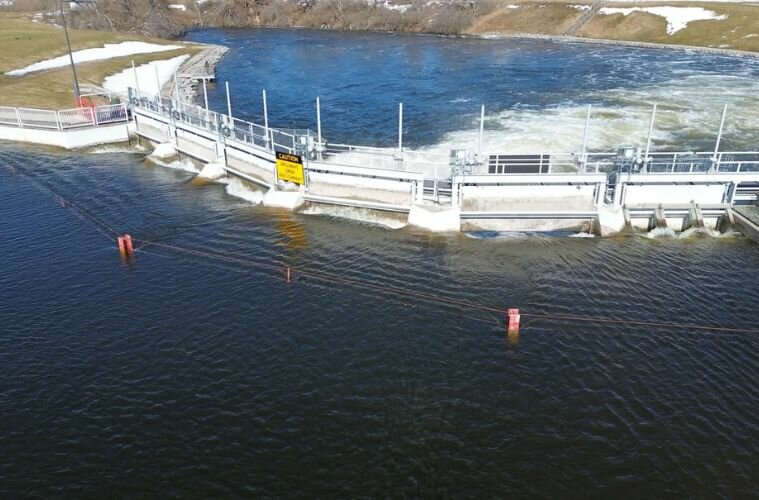
A Bridge Michigan investigation found 100,000 residents live downstream of deteriorating dams, a pattern repeating in states across the country.
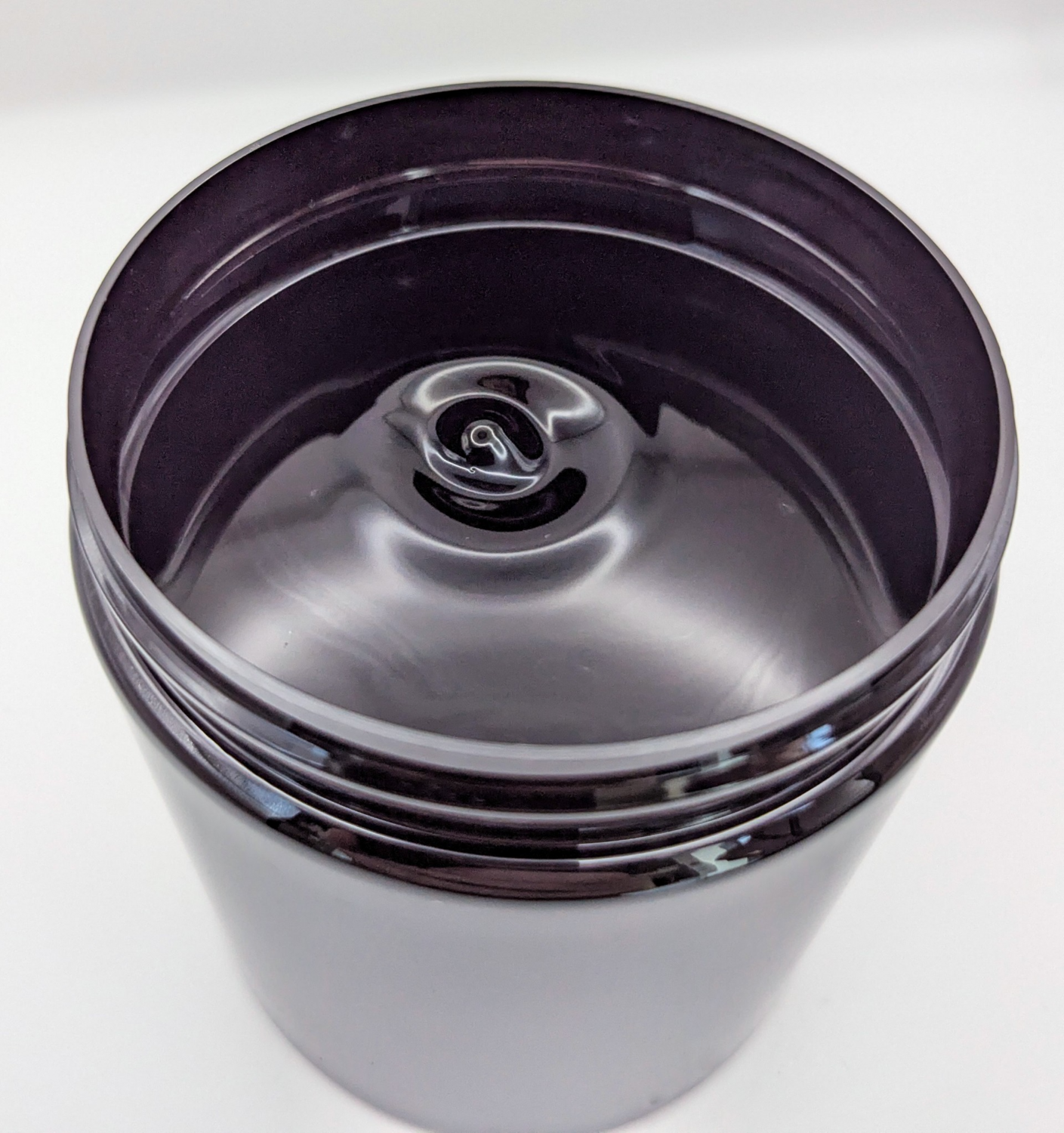
HydroGraph’s new graphene paste aims to ease dispersion challenges. The water-based concentrate targets coatings, concrete, thermal systems and rubber.

Colorado's Local IMPACT Accelerator is funding all-electric building codes in six jurisdictions, each required to exceed the newly adopted statewide MLECC.

NATO's new 5% GDP spending target could add millions of tonnes of emissions yearly, an SGR analysis finds, as the alliance's own climate targets stall.
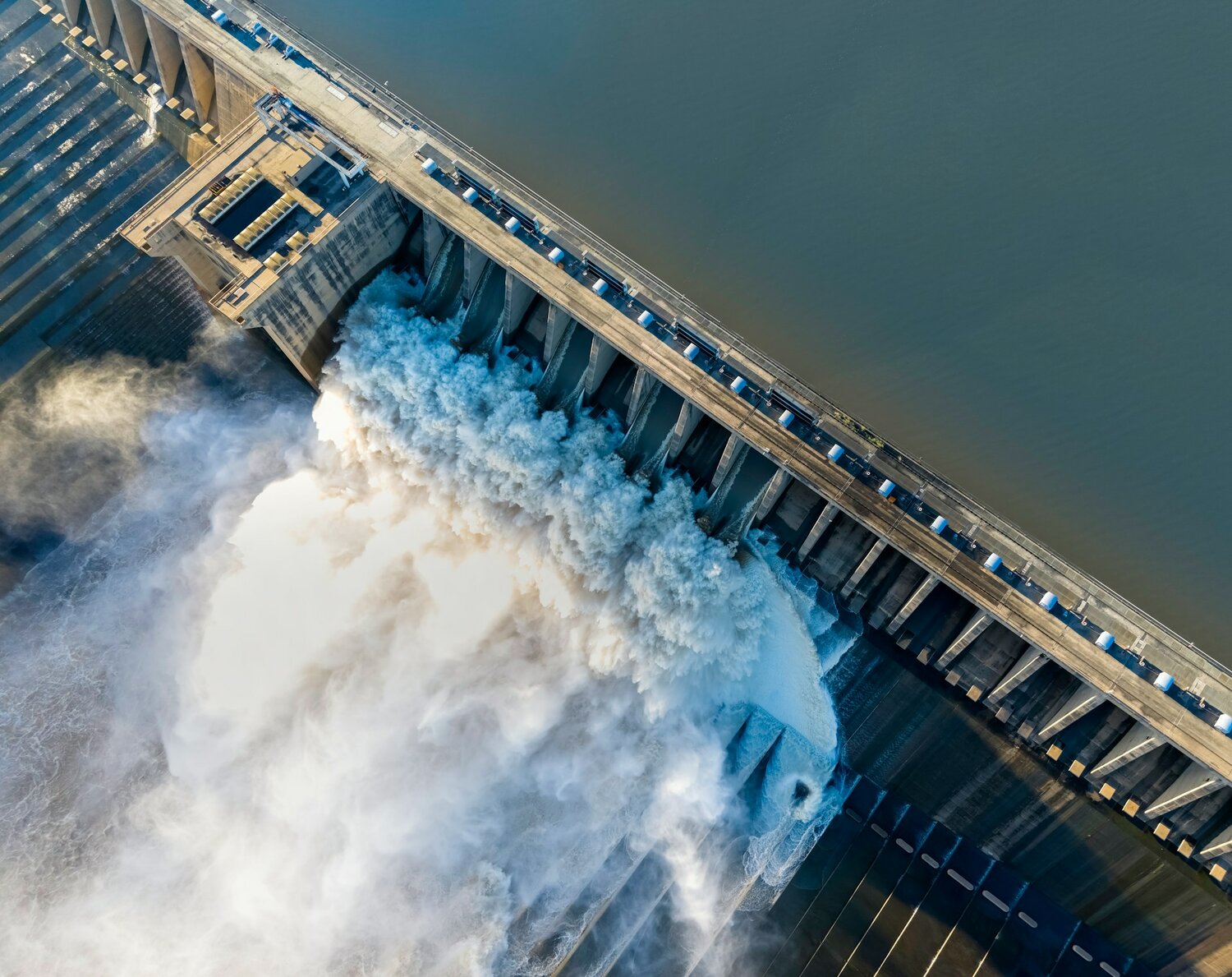
Europe’s renewable boom is exposing gaps in grid flexibility. Pumped storage is gaining attention as negative prices, heat and curtailment rise.

The UAE is showing what happens when power, capital, permitting, and chip access are coordinated before construction begins, not assembled project by project.

Building electrification replaces fossil-fueled heating, hot water, cooking, and some process loads with high-efficiency electric systems. Here’s how the U.S. economics, financing options, grid constraints, and building performance mandates are reshaping capital planning — and what owners should check before committing to a retrofit.
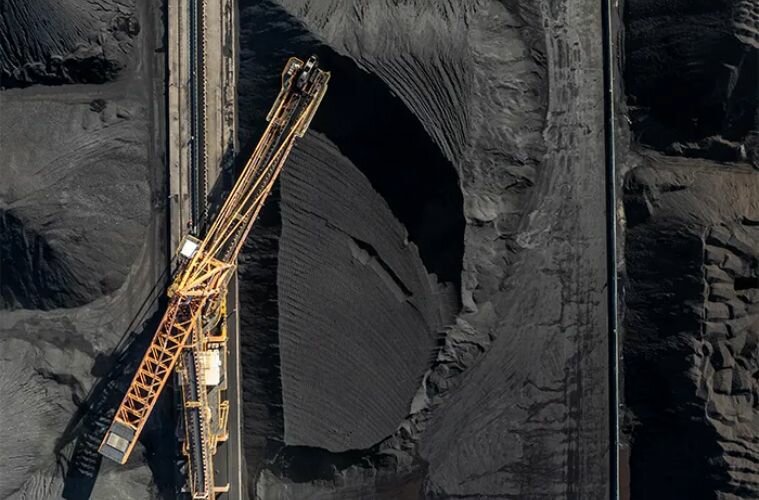
Core Natural Resources subsidiary CONSOL Innovations was selected for a DOE grant to pilot rare earth element recovery from Pennsylvania coal waste.

Tax incentives are sliding down site selection checklists as states compete on power availability, and several are already rebuilding programs around it.

Ireland could owe up to $30 billion (€26 billion) by 2030 for missing EU climate targets, new fiscal modeling shows, with costs rising after 2030.
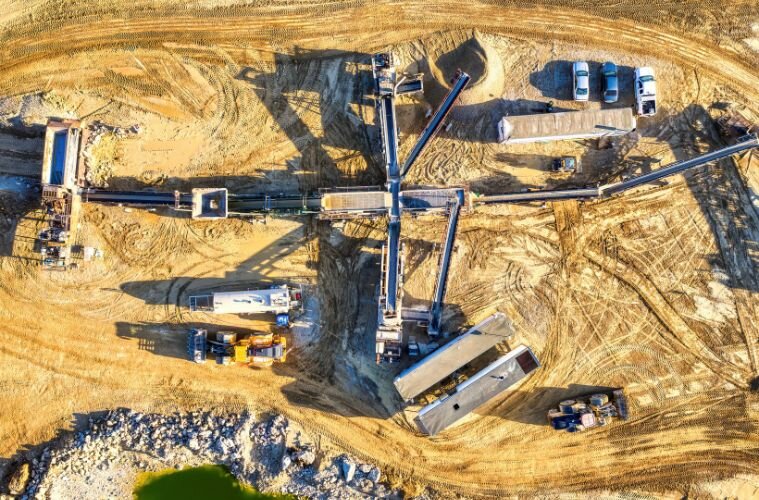
Power constraints can delay facility openings, increase carrying costs, and force expensive temporary power investments that reshape project economics for CFOs.

Data centers are absorbing grid capacity that manufacturers need for expansion, forcing executives to treat power access as a site selection variable.
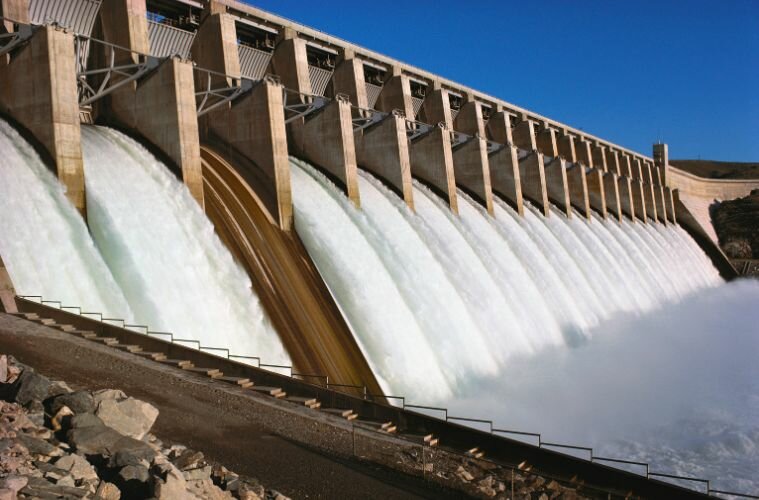
Curtailment orders, discharge limits, and insurance exposure are the water liabilities confronting industrial operations already built and operating in stressed basins.