

Finland’s forestry drainage has dried up much of the landscape. A 60-year study finds beavers can restore wetter habitats and support targeted recovery efforts.

Anheuser-Busch sent more than 155,000 cans of emergency drinking water to Ohio and Washington within days, as floods and wildfires strained communities.

Data center growth is drawing fresh scrutiny from nearby communities. Health, noise, water use and power demands are now central to project approvals and zoning.

Bioeconomy strategies are expanding in 76 countries, but new research finds governance gaps around land, genetic resources, data and benefit sharing.

Grid curtailment can interrupt renewable energy delivery without automatically triggering force majeure, putting PPA contract language under new scrutiny.

AI growth is forcing data centers to rethink power, cooling, and water. Energy Concepts says Plato5X could move more infrastructure on site to ease grid delays.

How automation, stronger data governance, and better workflows can help companies improve climate disclosure, sustainability reporting, and EHS&S data management.

A new UN report says cutting methane from oil, gas, and coal offers the quickest emissions reductions, with proven technologies and relatively low costs.

The largest federal investment in water infrastructure in decades is winding down as demand stays high and future funding faces proposed cuts now.

EPA's latest scorecard emphasizes permitting, cleanup, infrastructure, and regulatory actions over new climate initiatives, signaling shifted priorities.

A Hefei, China study finds urban trees and shrubs each add different pollutants, nitrogen, phosphorus, organic carbon, to rainfall passing through canopies.

NOAA will migrate its weather and climate supercomputing operations to Google Cloud by December 2027, with Google also powering a new AI forecast model.

Enacted in 2023 as part of the California Climate Accountability Package, Senate Bill 261 was originally expected to require covered businesses to begin making climate-related financial risk …
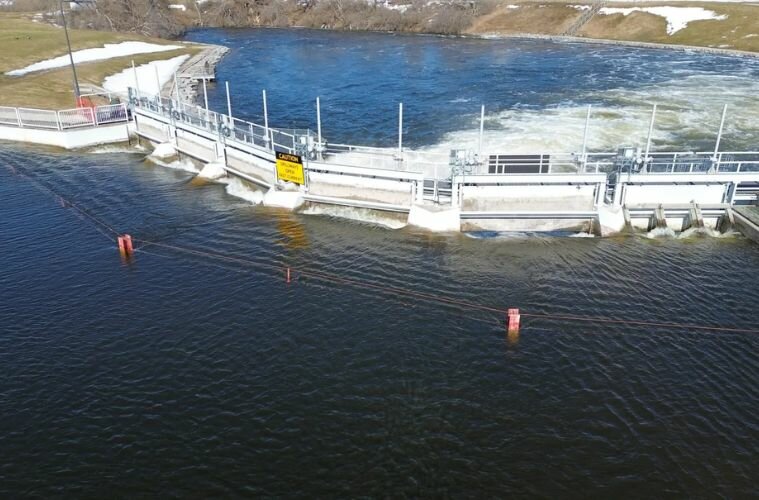
A Bridge Michigan investigation found 100,000 residents live downstream of deteriorating dams, a pattern repeating in states across the country.

New York paused new data center permits under Executive Order 62 while the state completes an environmental review and community investment framework.
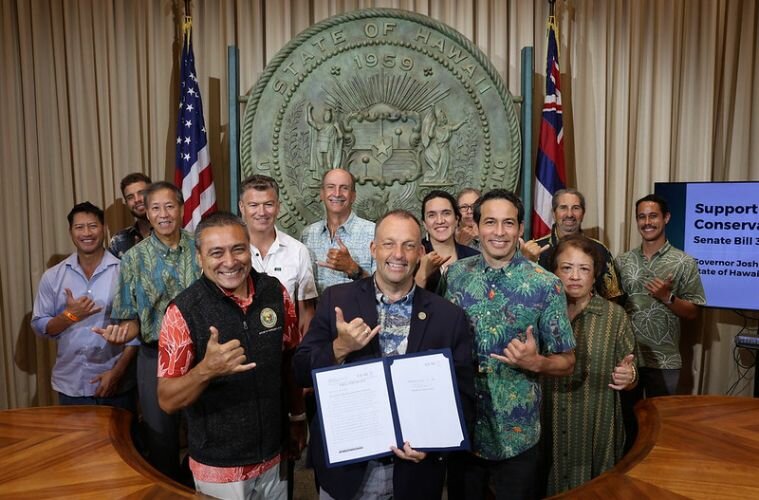
Hawaii formally recognized the Hawaii Conservation Sanctuary, a nonprofit modeled on New Zealand's Zealandia, for endangered species recovery work.

A climate science critic now leads the USGCRP, the federal program behind the National Climate Assessment that underpins infrastructure risk planning.
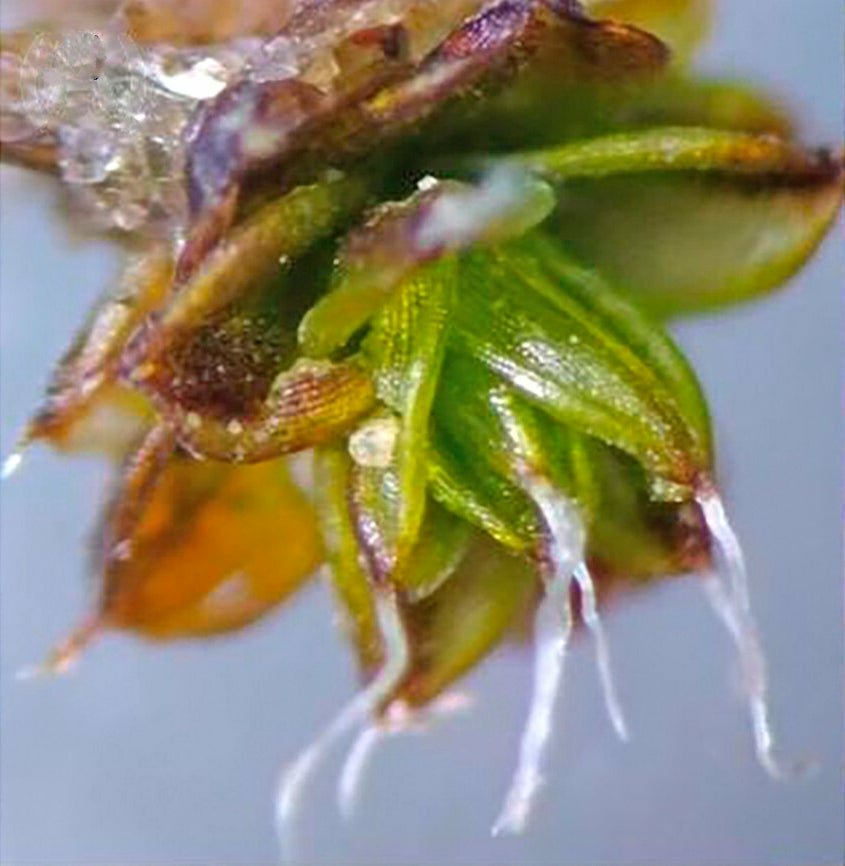
Desert mosses may carry fungi that help them handle heat. The discovery could shift how scientists approach dryland restoration and climate stress.

Costa Rica's experience illustrates what happens when environmental protection is treated as an economic design problem rather than a compliance obligation
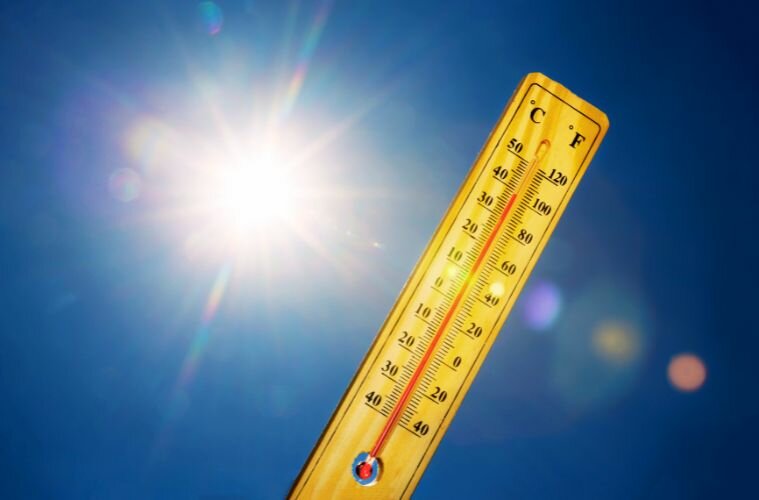
PJM has issued multiple grid reliability alerts as extreme heat pushes electricity demand toward a potential summer record across the Mid-Atlantic.