

Germany celebrated the shutdown of its last nuclear reactors in April 2023 as a moral victory. The nuclear exit was framed as a triumph of environmental responsibility: proof that a modern industrial nation could renounce 'dangerous' technologies and lead the world toward a cleaner future. A new analysis suggests the opposite happened.

ChargePoint and OBE Power will deploy 2,500 EV charging ports at multifamily housing in 2026, closing a charging access gap that affects millions of apartment-dwelling EV drivers across North America.

France's nuclear fleet reduces output every summer as river cooling limits are exceeded. For multinationals with European operations, the seasonal price spike is now predictable enough to plan around.
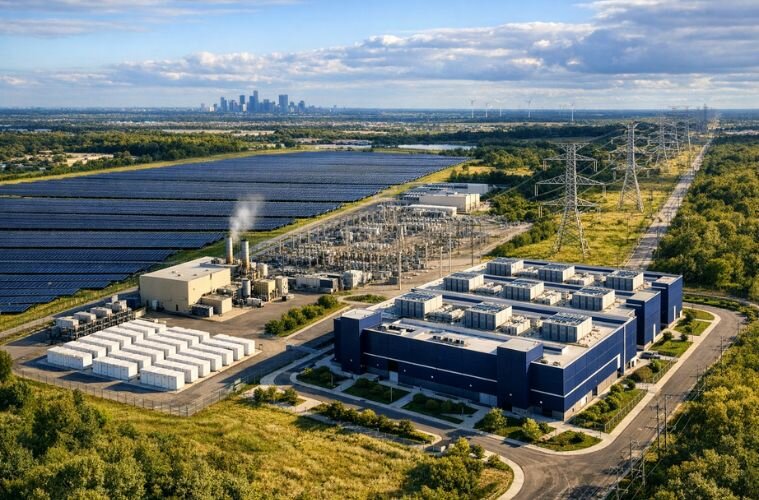
The leading edge of corporate energy procurement in 2026 is not a sustainability conversation. It is an infrastructure conversation.

A convergence of policy changes, carbon pricing, corporate decarbonization pressure, and rapid growth in corporate PPAs is reshaping how companies operating in Japan evaluate electricity procurement.

Zelestra’s 6.5 MWdc Ginosa plant is now online in Puglia. The project links clean power with continued farming, a long-term PPA and student training.

New peer-reviewed research finds thermal and electrical demand response can cut energy system costs up to 40% in constrained grids, with low adoption rates still delivering real savings.

Policy divergence between the U.S., Europe, and Asia Pacific is forcing multinationals to manage energy procurement as a collection of regional decisions rather than a coherent global strategy.

Durham's Society 5.0 model shows how integrated infrastructure intelligence is becoming a material factor in corporate investment and workforce decisions in 2026.

The Hormuz closure did not create new risk in corporate energy portfolios. It made visible the risk that was already priced at zero.

Interconnection delays are creating PPA delivery shortfalls that finance teams did not model. The cost of sourcing replacement power is showing up as unexplained energy budget variance in 2026.

Procurement teams that accepted broad pass-through language in their energy agreements because it looked like standard contract boilerplate are now receiving invoices that reflect tariff costs they did not model, did not cap, and may have limited ability to dispute.
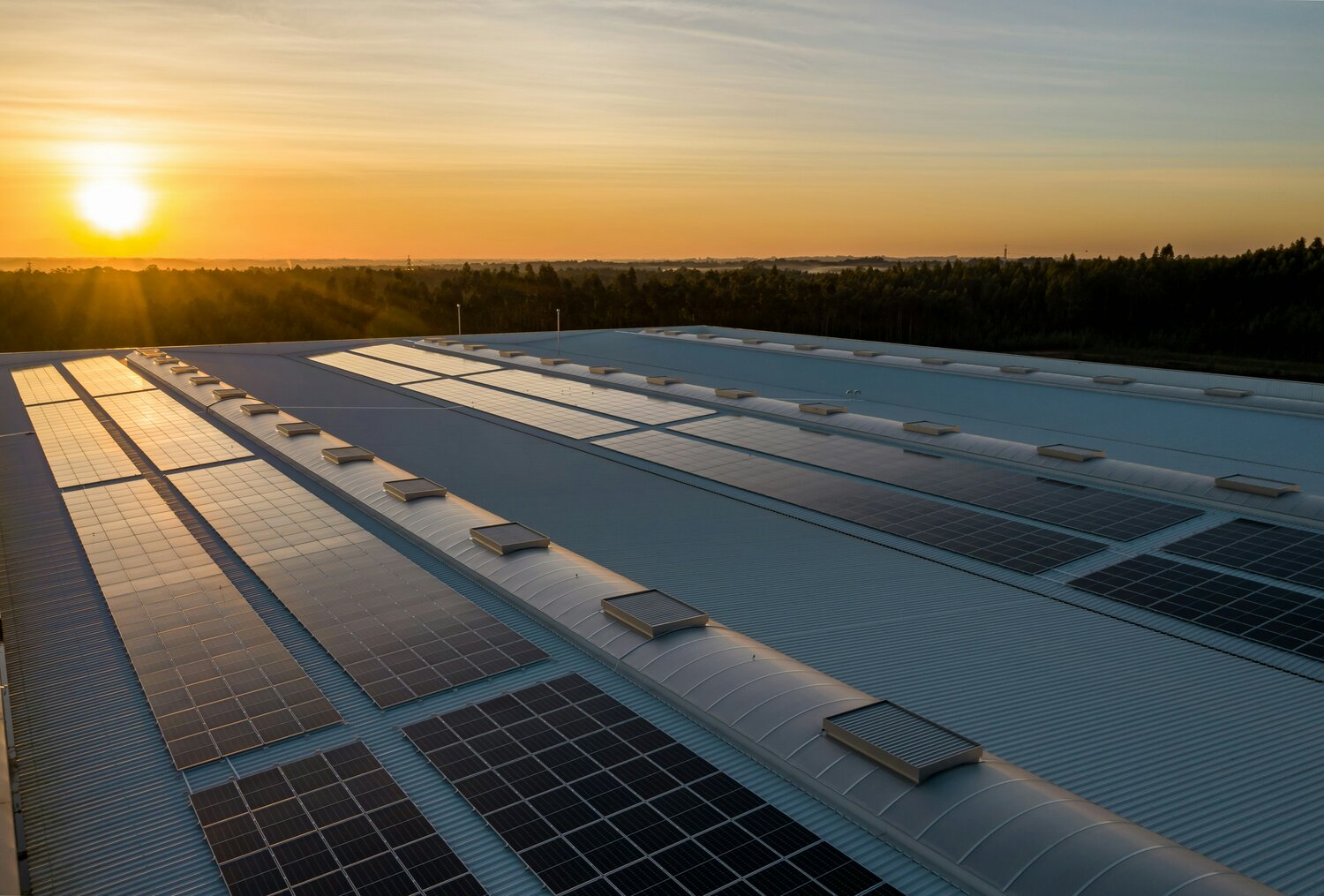
ISO New England's 2026 CELT Report adds its first behind-the-meter battery forecast and flags a winter peak timing problem tied to heat pump adoption growth through 2035.

Renewable energy supplier instability is creating counterparty risk that corporate finance and C-suite teams have not priced into existing supply agreements.

Energy contracts signed in 2021 and 2022 contain clauses procurement and finance teams are now being forced to act on. What to audit before Q3 capital planning closes.

The companies that built their energy strategy around efficiency are discovering a gap between what that strategy promised and what it has delivered.

Federal and state environmental compliance obligations are converging on 2026 and 2027 deadlines. What C-suite and legal leaders need to understand about the compounded exposure.

RNG captured from organic waste could slash emissions and boost grid resilience. Two changes to New York's climate law would make it happen.

Ohio SB 103 is now law, letting natural gas utilities offer alternative rate plans to large industrial users consuming over 1.2 million Mcf annually.

Scope 3 emissions in supplier networks are outpacing facility-level efficiency gains. New data and GHG Protocol revisions are raising the stakes for sustainability leaders in 2026.