

Colorado's Local IMPACT Accelerator is funding all-electric building codes in six jurisdictions, each required to exceed the newly adopted statewide MLECC.

California regulators opened public comment on EVOCA® after a positive health review. A final decision could follow later in 2026 for the Biotalys biofungicide.

NATO's new 5% GDP spending target could add millions of tonnes of emissions yearly, an SGR analysis finds, as the alliance's own climate targets stall.

New large-load electricity tariffs require multi-year minimum terms and per-megawatt collateral, contract terms finance teams should model before signing.

Scope 3 covers the emissions a company causes but doesn't control — usually the largest share of its footprint and always the hardest to measure. Here's how the categories work, which disclosure mandates are already binding worldwide, and where the honest difficulties live.

Utility rate cases can take a year to clear, and corporate electrification targets now carry legal disclosure weight, turning a planning gap into a financial risk.
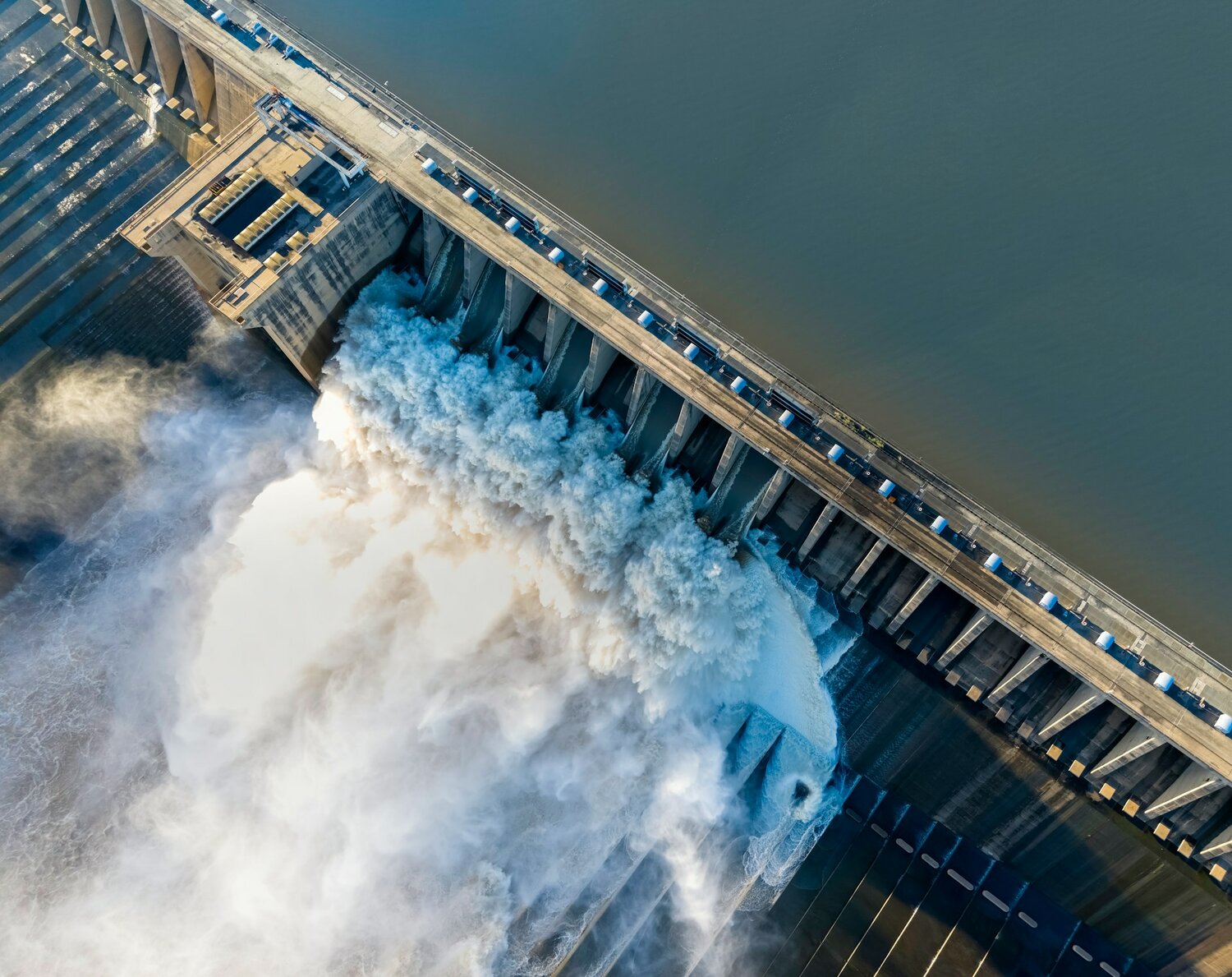
Europe’s renewable boom is exposing gaps in grid flexibility. Pumped storage is gaining attention as negative prices, heat and curtailment rise.

Idaho's Supreme Court ruled two adjacent minor land divisions functioned as one subdivision, subjecting MLD filings to judicial review under state land use law.
EAST GREENWICH, R.I. -- VoltServer, the pioneering leader in fault-managed power systems and creator of Digital Electricity®, today announces a strategic partnership with Eaton to …
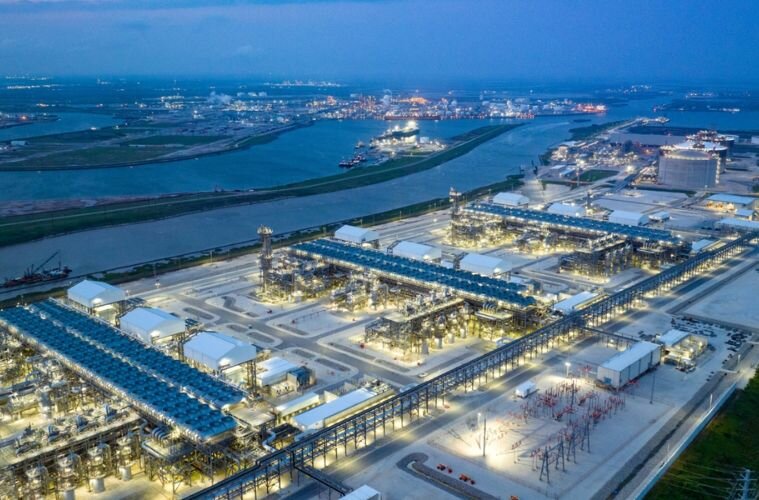
FERC has opened public comment on Freeport LNG's plan to remove import equipment left unused since shale gas turned the Texas terminal into an export facility.

Taiwan is freezing industrial power rates and planning grid capacity around named fabs, while TSMC secures its own dedicated generation rather than wait.

Power, water, and permitting risk now belong in board-level due diligence, not just management's site selection memo. Here are five questions to ask.

A new model shows how tiny spacer layers change 2D perovskites. It could help engineers design better LEDs, solar cells and other light-based devices.
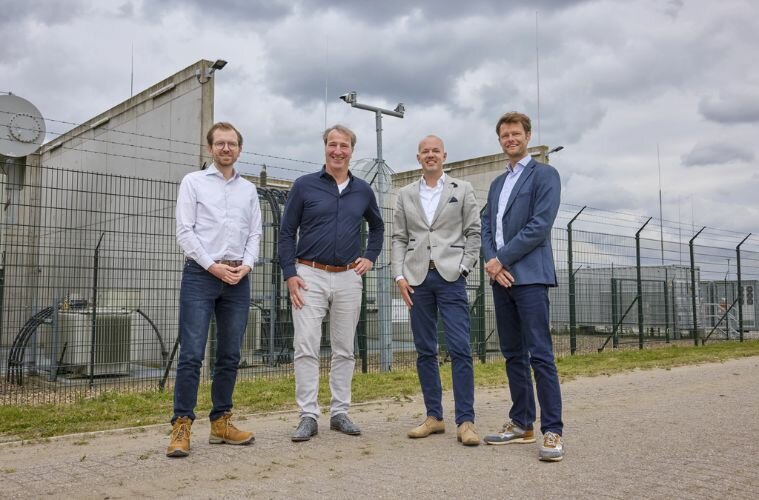
Windpark Zeewolde is pairing Europe's largest onshore wind farm with a new hydrogen-iron flow battery built for 10 to 40 hours of storage, not four.
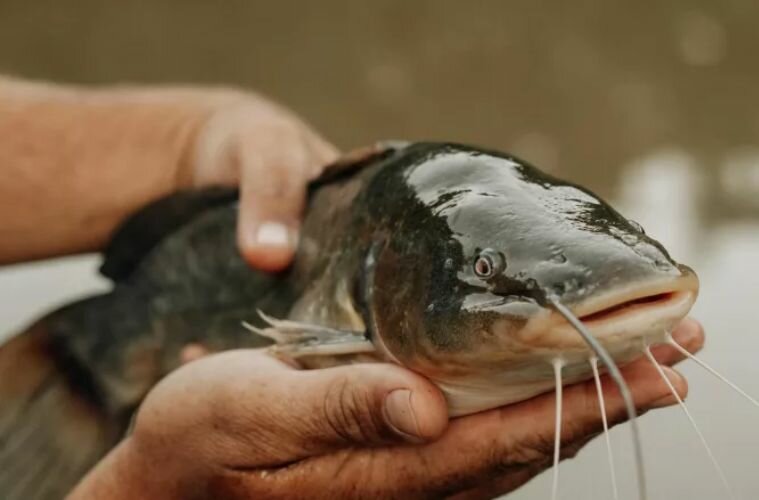
Monitoring data submitted to EPA detected PFNA and PFHxS in catfish tissue as the agency weighs rescinding federal determinations for both compounds.

Hydro-Québec once promoted low-cost hydropower to attract data centers. Now it is proposing higher rates and tighter access as demand strains supply.

As grid constraints grow, manufacturers and data center developers are prioritizing guaranteed power delivery over the lowest electricity prices.

Biochar is getting a real-world road test. Verde and Ergon are moving their cold paving partnership toward field projects, carbon credits and commercial use.

Norfolk, Nebraska's wastewater land purchase reflects a broader strategy as utilities secure room for future industrial growth and infrastructure expansion.
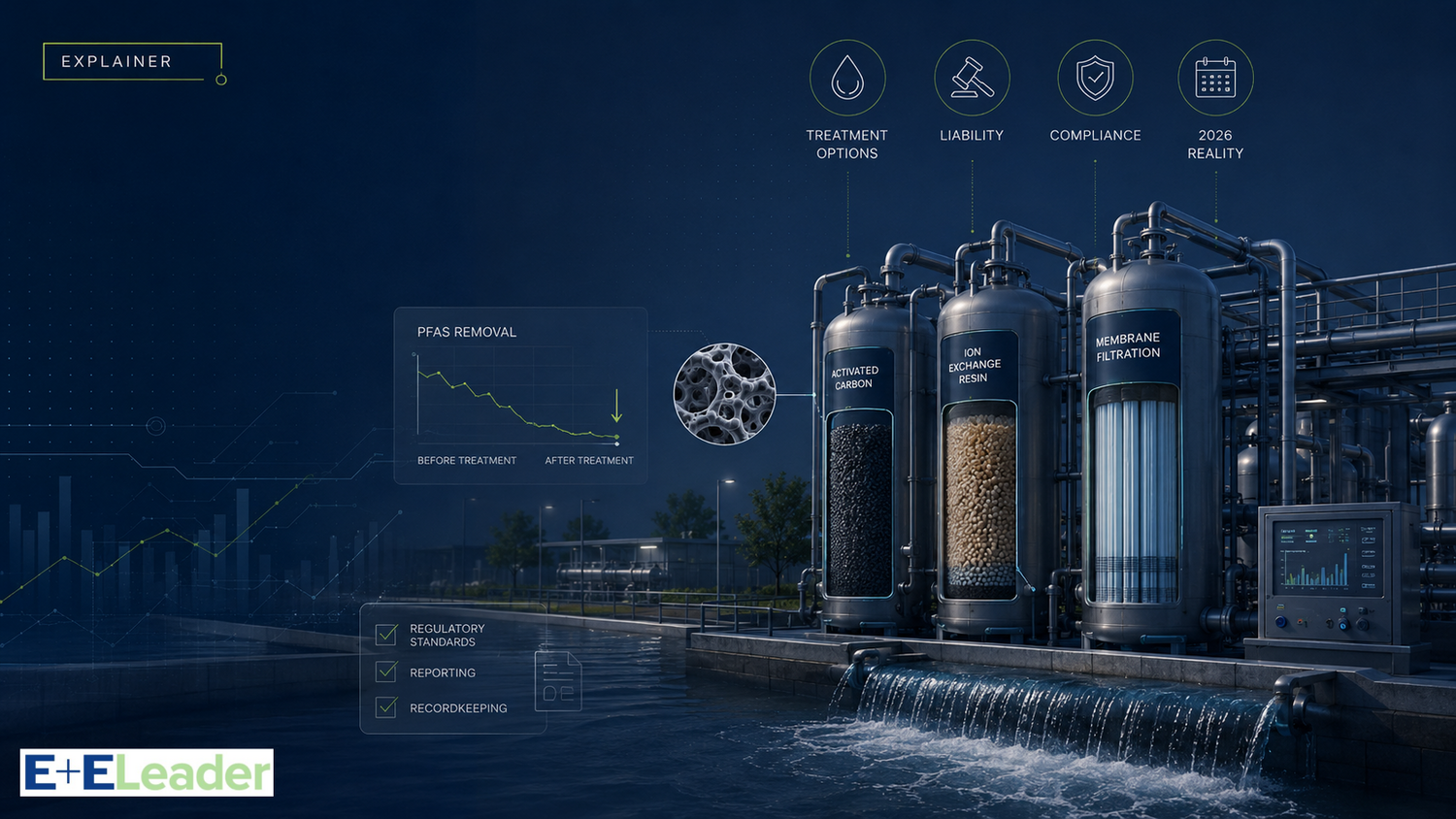
PFAS contamination is now a regulated, litigated, and expensive problem for water systems, wastewater utilities, landfills, manufacturers, and property owners alike. Here’s what makes these chemicals different, where liability comes from, what drives remediation cost, and which treatment technologies work — and which claims deserve skepticism.