

Bioeconomy strategies are expanding in 76 countries, but new research finds governance gaps around land, genetic resources, data and benefit sharing.

Kimberly-Clark is testing hesperaloe as a potential tissue fiber. The move could reduce wood-pulp use while adding a new option to its supply chain at scale.

The environmental sensor market is projected to grow from $2.08 billion in 2025 to $3.52 billion by 2030 as monitoring shifts to continuous data.

AI growth is forcing data centers to rethink power, cooling, and water. Energy Concepts says Plato5X could move more infrastructure on site to ease grid delays.

RMS traded 57,000 Southern acres for 36,000 in Washington in a like-kind exchange with Rayonier, gaining Douglas-fir exposure and Port of Longview access.

Nassimi is linking upholstery materials to reforestation and social support. Its partnerships fund tree planting and help women rebuild their lives after abuse.

Administrator Lee Zeldin's Virginia tour highlighted state partnerships, voluntary conservation, and technology investment over new EPA regulation.

Tiny robots could help pull lithium from seawater. Texas A&M researchers are testing whether the idea can deliver usable supply at a realistic cost and scale up.

A Hefei, China study finds urban trees and shrubs each add different pollutants, nitrogen, phosphorus, organic carbon, to rainfall passing through canopies.

NOAA will migrate its weather and climate supercomputing operations to Google Cloud by December 2027, with Google also powering a new AI forecast model.

New U.S. Fish and Wildlife Service rules end automatic ESA protections for future threatened species, replacing them with species-specific conservation rules.

Rodale is betting $139 million on moving 10 million U.S. acres into organic production. Farmer economics and clear tracking will decide if it works in practice.

Cigarette butts still lead coastal litter totals. Disposable vapes and nicotine pouches now add batteries, plastics and hazardous residues to this waste stream.
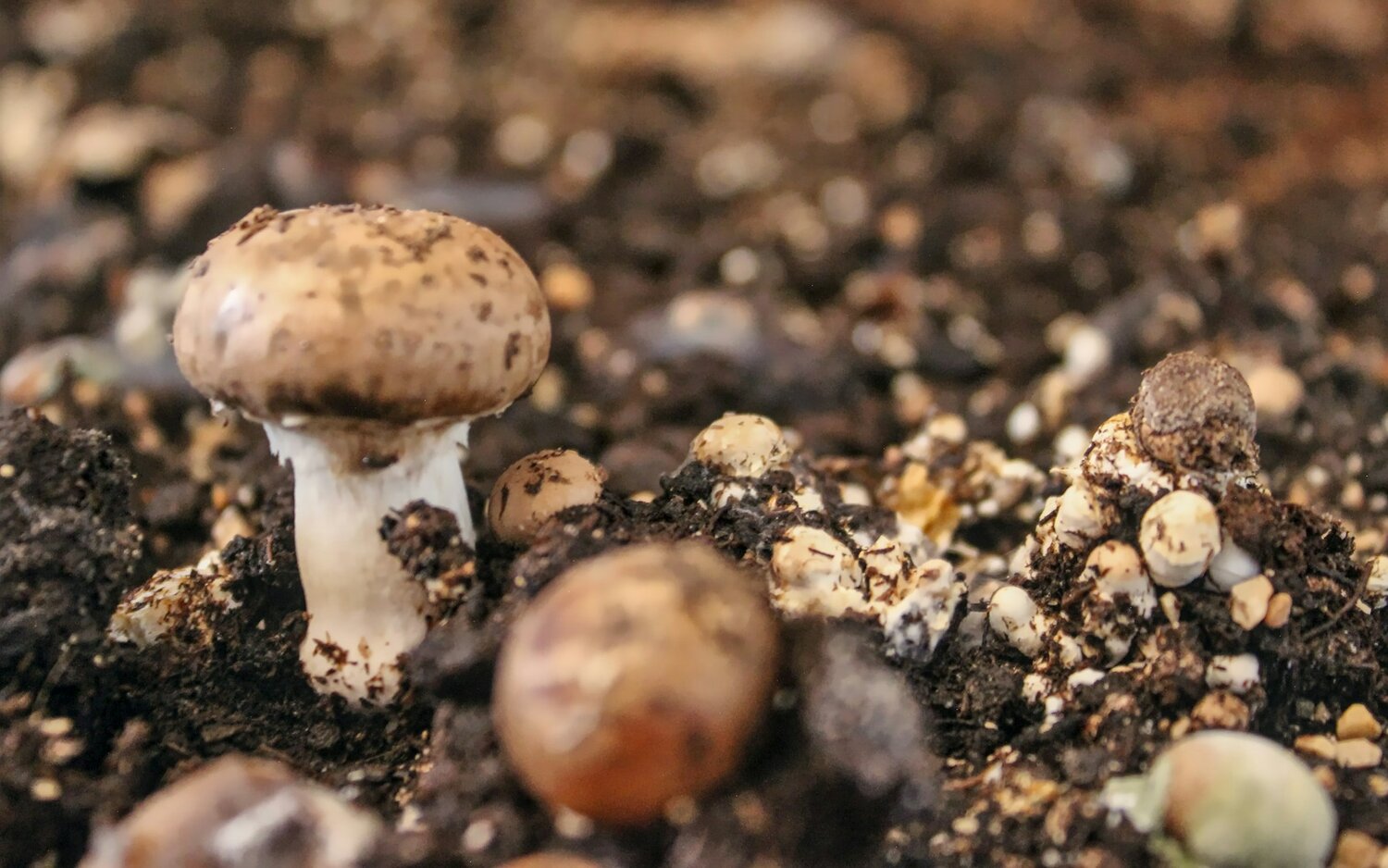
Syngenta and Groundwork BioAg are pairing fungal crop inputs with soil carbon programs. Farmers could gain soil benefits and fresh revenues from carbon credits.
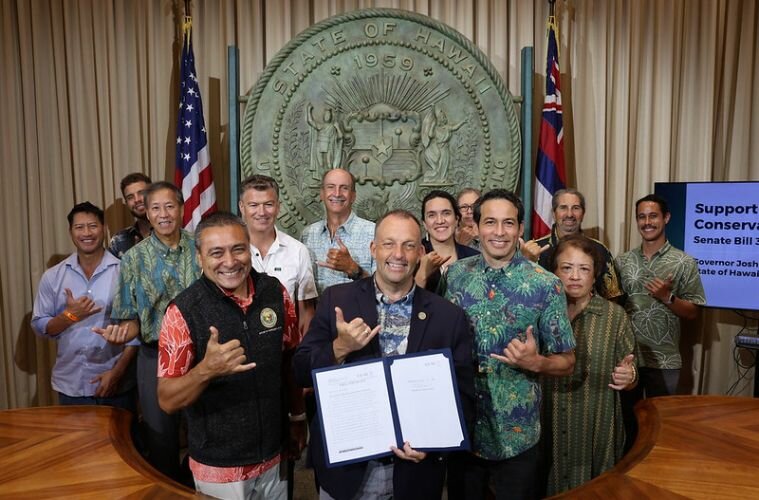
Hawaii formally recognized the Hawaii Conservation Sanctuary, a nonprofit modeled on New Zealand's Zealandia, for endangered species recovery work.
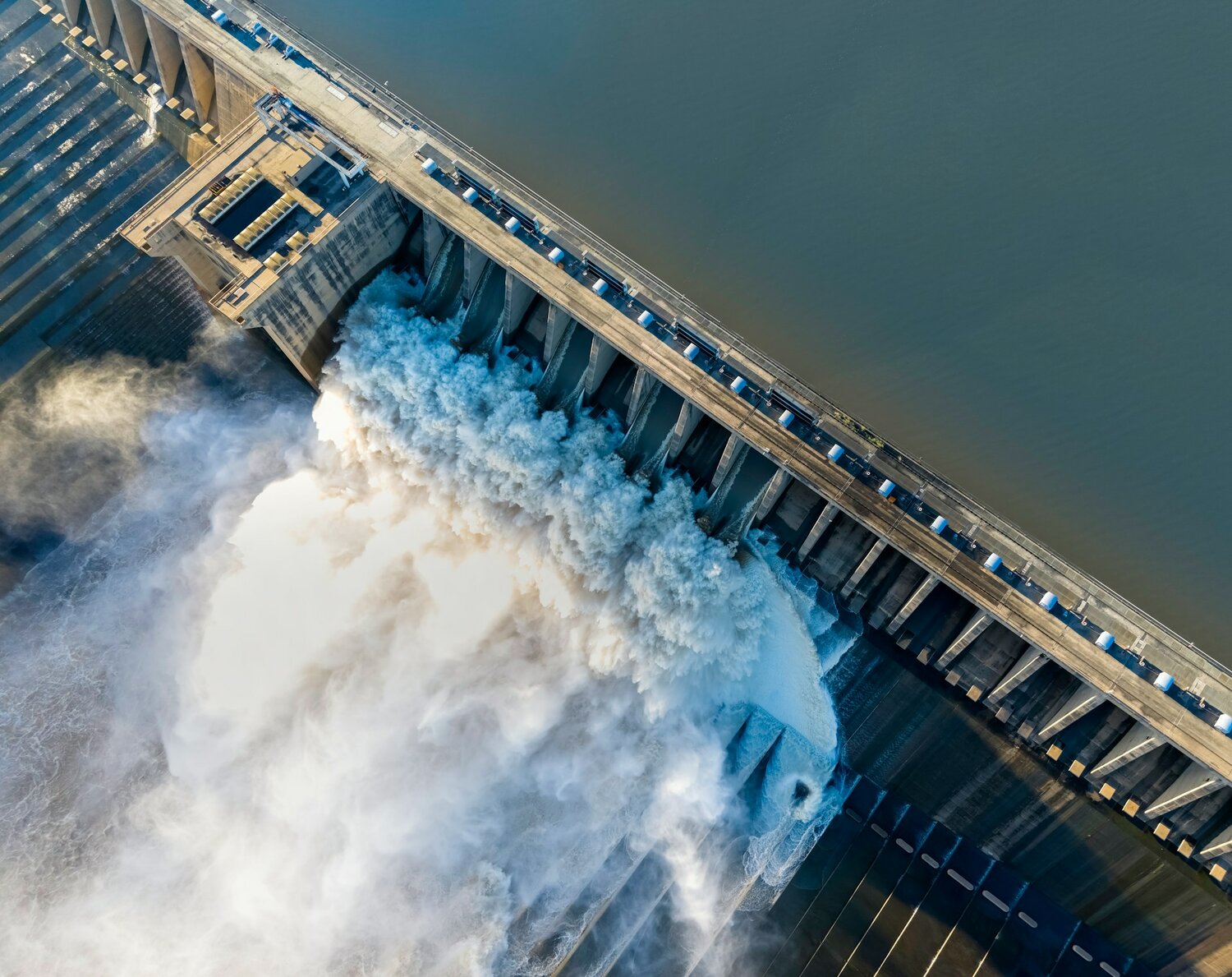
Europe’s renewable boom is exposing gaps in grid flexibility. Pumped storage is gaining attention as negative prices, heat and curtailment rise.
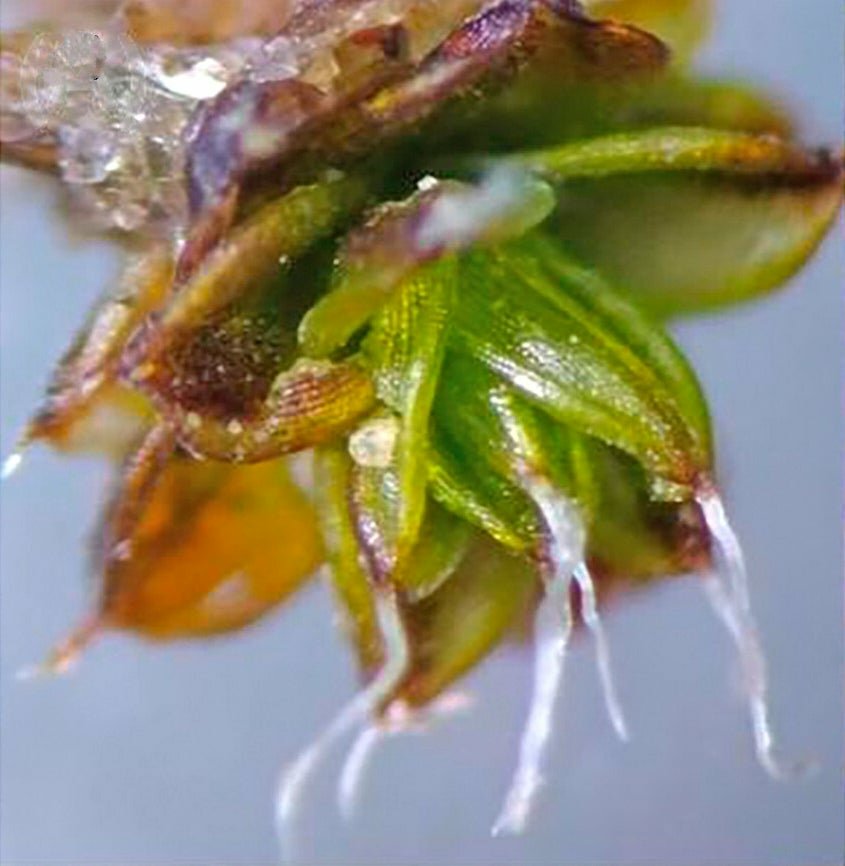
Desert mosses may carry fungi that help them handle heat. The discovery could shift how scientists approach dryland restoration and climate stress.
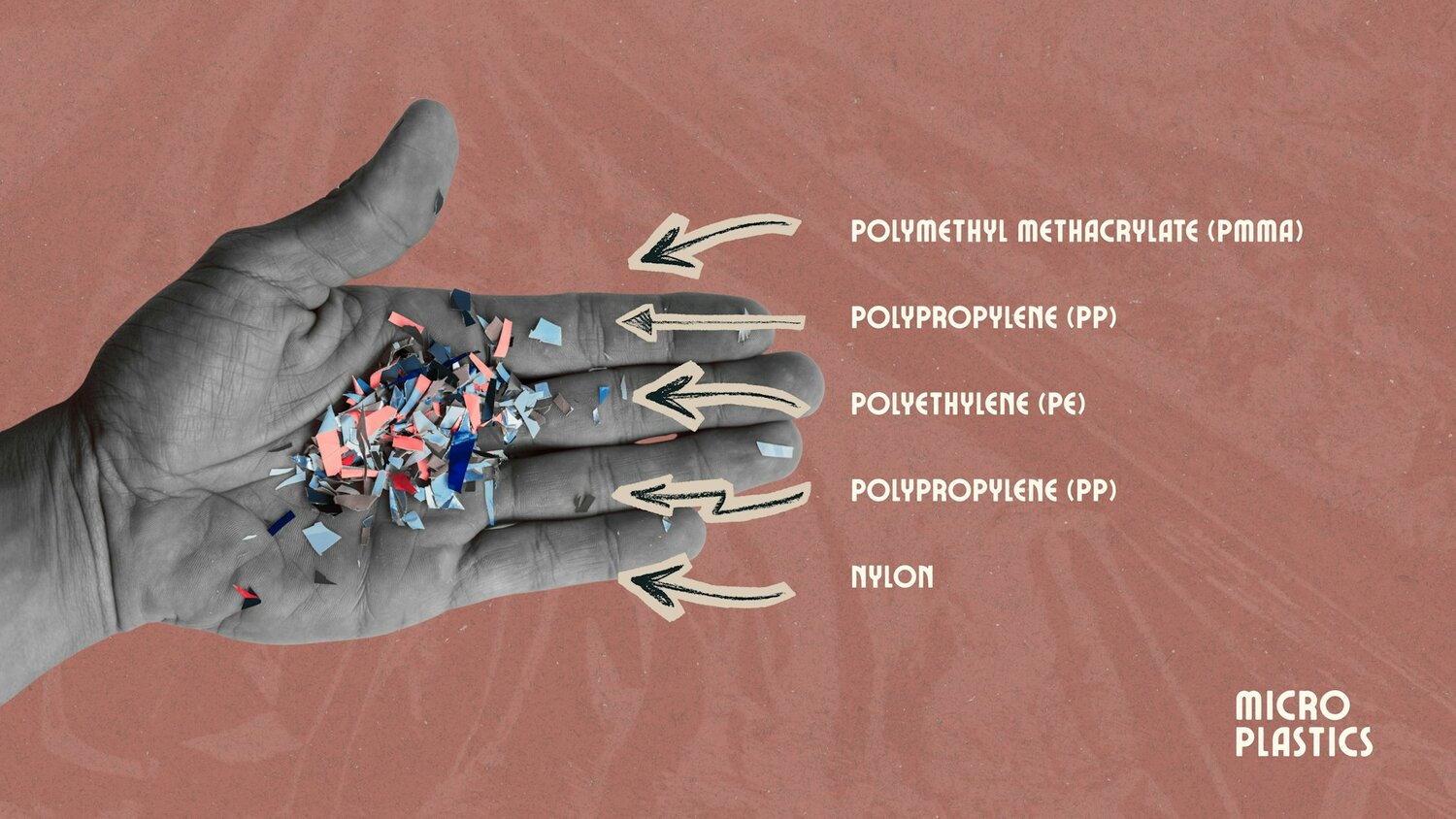
Chain length may shape how PFAS move through water and respond to treatment. For utilities, that means monitoring and removal strategies need sharper focus.

Costa Rica's experience illustrates what happens when environmental protection is treated as an economic design problem rather than a compliance obligation
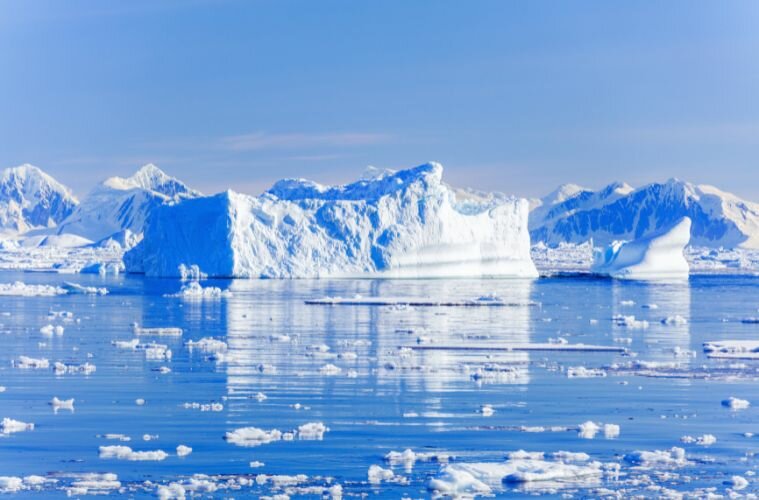
A peer-reviewed study in The Cryosphere is the first to directly attribute a major Antarctic glacier's retreat to human-driven warming, with effects projected to continue for centuries.