

A Ninth Circuit ruling strengthens Central Valley Project contract certainty for water districts while leaving businesses exposed to annual water supply risk.

Finland’s forestry drainage has dried up much of the landscape. A 60-year study finds beavers can restore wetter habitats and support targeted recovery efforts.

Data center growth is drawing fresh scrutiny from nearby communities. Health, noise, water use and power demands are now central to project approvals and zoning.

The environmental sensor market is projected to grow from $2.08 billion in 2025 to $3.52 billion by 2030 as monitoring shifts to continuous data.

Illinois is adding PFAS sampling to wastewater permits, creating new visibility into contamination moving through effluent, influent, and biosolids.

A new UN methane strategy says agriculture and waste systems will require major operational changes alongside fossil fuel reductions to meet 2030 goals.

The largest federal investment in water infrastructure in decades is winding down as demand stays high and future funding faces proposed cuts now.

Nassimi is linking upholstery materials to reforestation and social support. Its partnerships fund tree planting and help women rebuild their lives after abuse.

Tiny robots could help pull lithium from seawater. Texas A&M researchers are testing whether the idea can deliver usable supply at a realistic cost and scale up.

EU regulators approved $334 million (€290 million) for Dutch sustainable aviation fuel plants, backing technologies beyond conventional biofuels.

A $5.8B Dresden chip expansion is putting water infrastructure in focus. Gradiant delivered ultrapure and recycled water systems three months early.

EPA's latest scorecard emphasizes permitting, cleanup, infrastructure, and regulatory actions over new climate initiatives, signaling shifted priorities.

EPA is asking manufacturers and downstream users for workplace, exposure, and process data that could shape its final TSCA risk evaluation decision.

Michigan's updated brownfield law adds project milestones, capital investment checks, and clawback provisions before developers receive state tax incentives.

Cigarette butts still lead coastal litter totals. Disposable vapes and nicotine pouches now add batteries, plastics and hazardous residues to this waste stream.

Viridi Energy, backed by Warburg Pincus, began construction on a landfill gas-to-RNG facility in Lincoln, Nebraska, under a city build-own-operate contract.

North Carolina approved $244 million for water projects after receiving $1.6 billion in requests, showing the gap between infrastructure needs and funding.
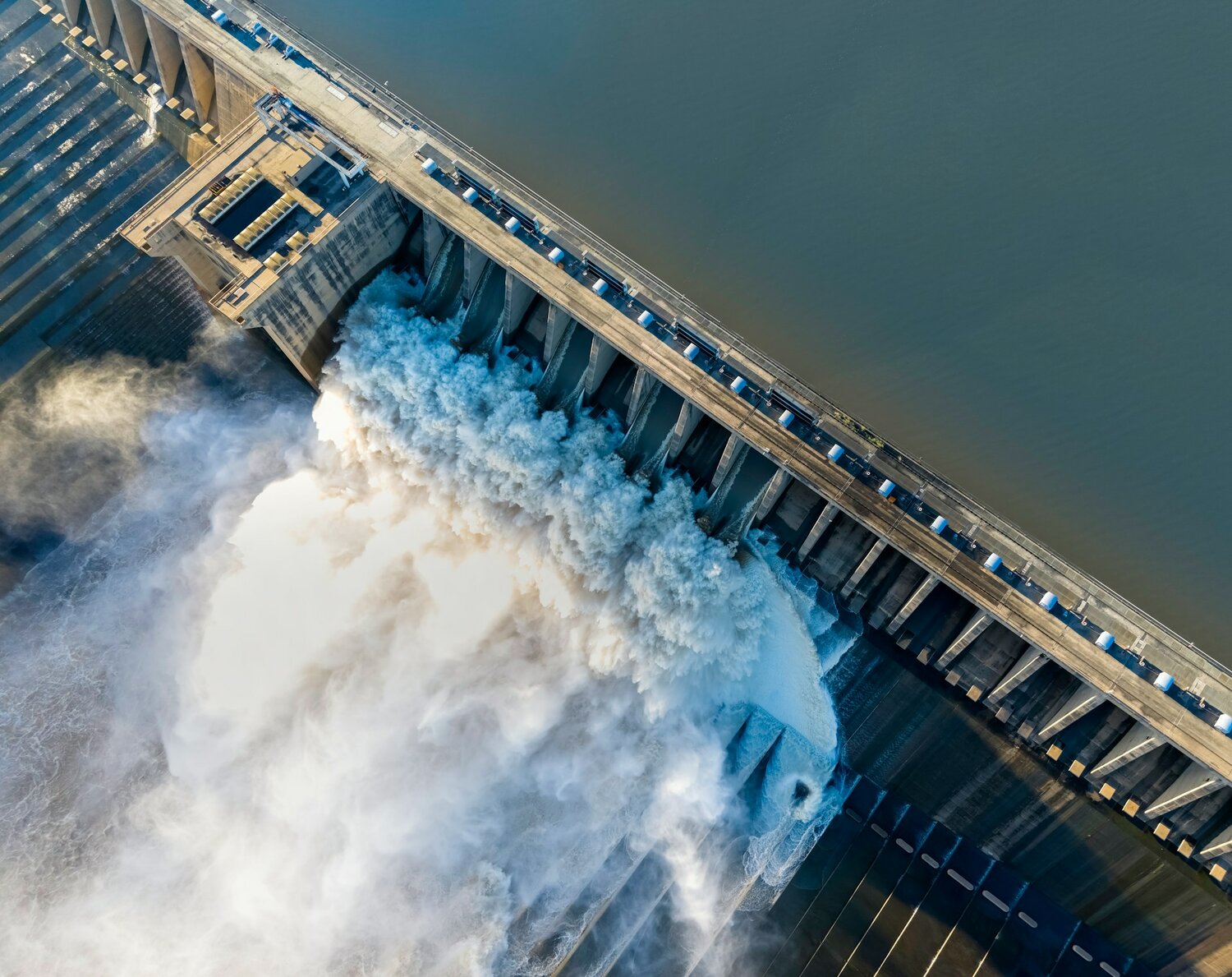
Europe’s renewable boom is exposing gaps in grid flexibility. Pumped storage is gaining attention as negative prices, heat and curtailment rise.
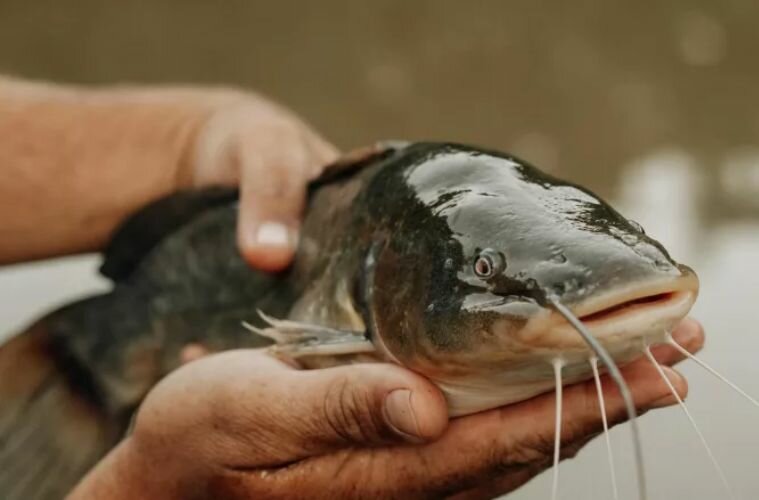
Monitoring data submitted to EPA detected PFNA and PFHxS in catfish tissue as the agency weighs rescinding federal determinations for both compounds.
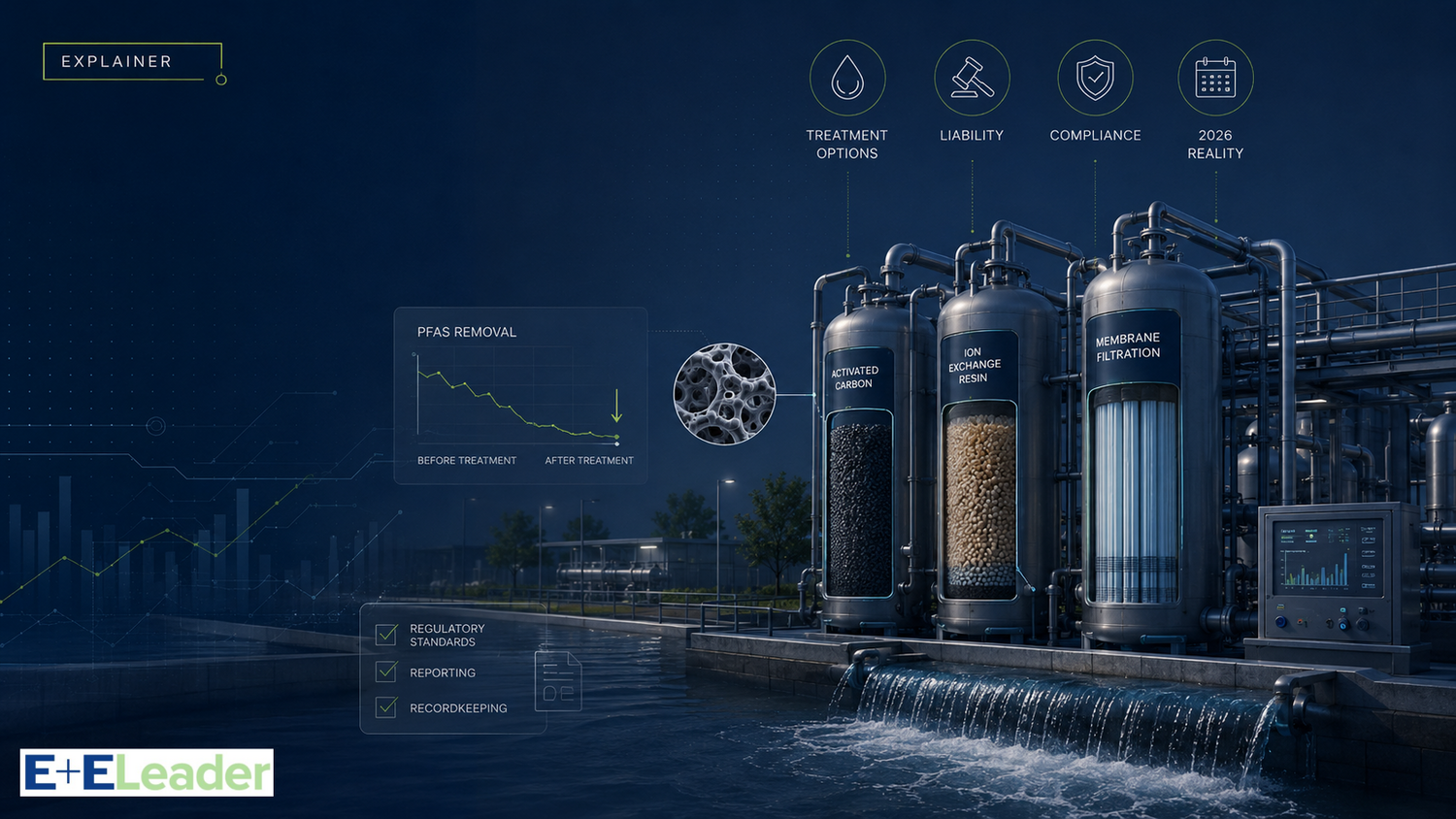
PFAS contamination is now a regulated, litigated, and expensive problem for water systems, wastewater utilities, landfills, manufacturers, and property owners alike. Here’s what makes these chemicals different, where liability comes from, what drives remediation cost, and which treatment technologies work — and which claims deserve skepticism.