

Siemens' new microgrid pairs solar power with battery storage at its Wendell, North Carolina plant. It is built to keep critical production moving in an outage.

A Dutch project pairing a data center with greenhouse growers shows how waste heat recovery can reduce grid congestion while replacing natural gas.

South Korea's government has committed to an 18.4 GW AI data center buildout backed by discounted power and land rights, ahead of confirmed demand.

Saudi Arabia is combining incentives, sovereign financing, data center construction and access to advanced chips to accelerate its AI infrastructure buildout.

Kevin O'Leary's Utah data center plans to run on dedicated natural gas, joining a growing list of AI campuses built to sidestep grid connection queues.

Iberdrola's equity stake in a Spanish data center joint venture shows European utilities trading land and grid access for ownership, not just power contracts.

Minnesota regulators approved Xcel Energy's utility-owned distributed battery program, creating a closely watched test of who should own customer-sited storage.

New Hampshire has signed a law directing its Department of Energy to assess transformer vulnerability to geomagnetic and electromagnetic disturbances.
Intel is cutting Data Center Group jobs even as AI infrastructure spending is set to reach $487 billion in 2026, per IDC, as electricity demand keeps rising.

Ireland's CRU now requires data center developers to prove a credible renewable energy plan before connecting, replacing a broad regional grid approach.

New IRP filings from 23 U.S. utilities show a shift to scenario-based forecasting as data centers drive demand, raising planning risk for facilities leaders.

Viridi Energy, backed by Warburg Pincus, began construction on a landfill gas-to-RNG facility in Lincoln, Nebraska, under a city build-own-operate contract.
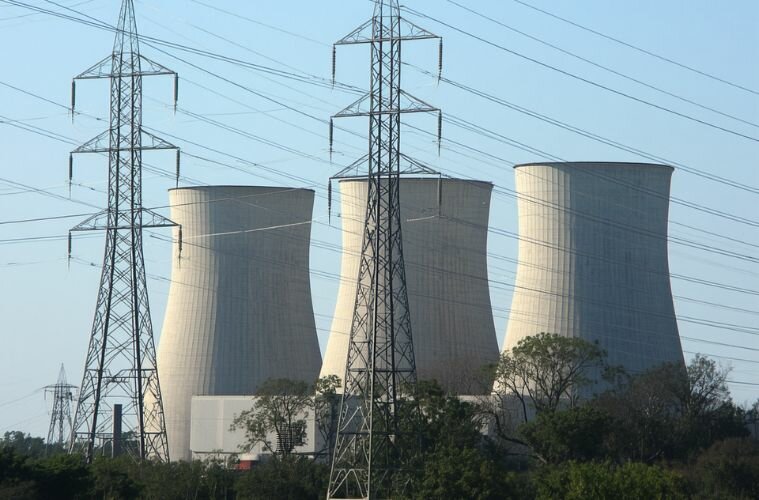
Missouri and Indiana now require utilities to secure replacement capacity before retiring power plants, as PJM and MISO warn of tightening reserve margins.
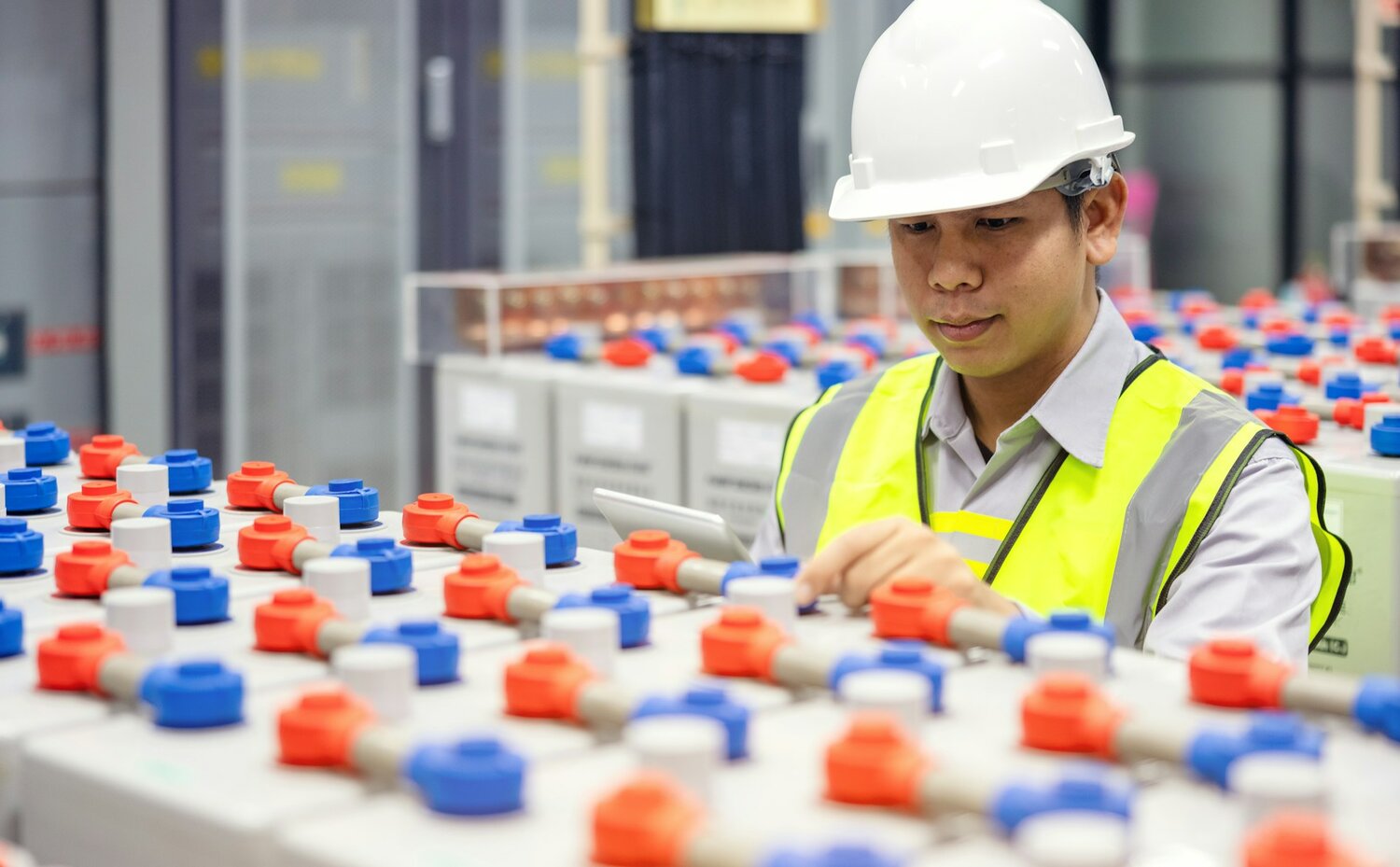
Stryten plans to acquire C&D Technologies and Trojan Battery. The new deal would expand U.S. production and reach across mobility, data center and backup power.
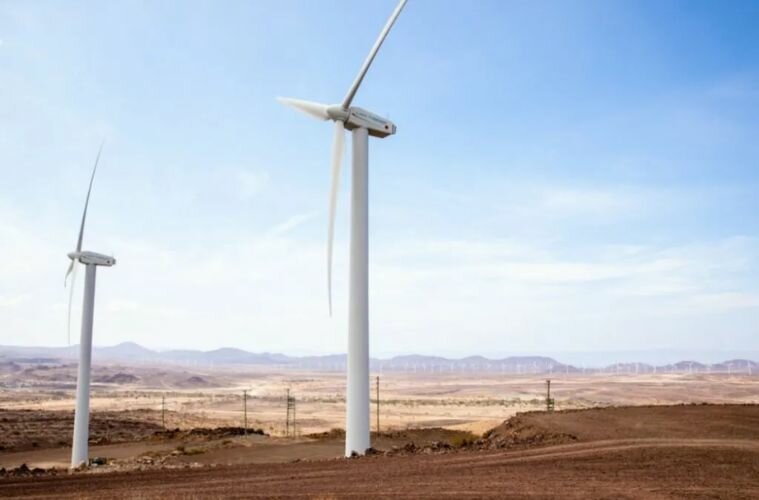
Africa's transmission networks are falling behind power demand, renewable generation, and the industrial corridors governments hope to develop.
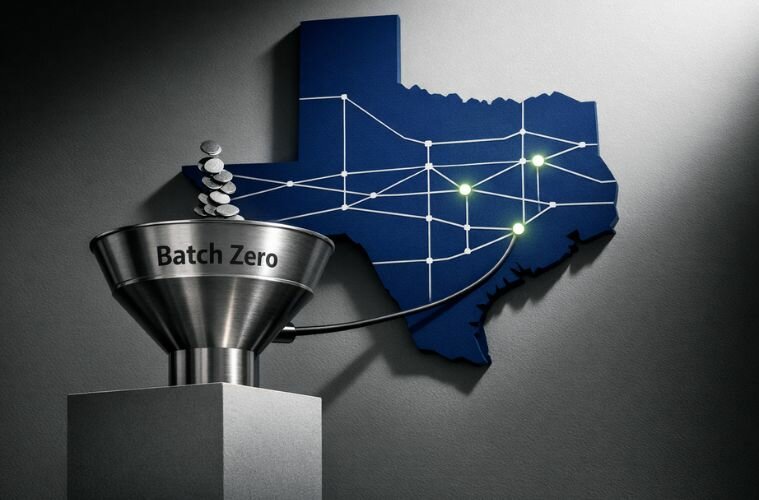
ERCOT's new Batch Zero framework, the first ISO in the nation to use a batch process, will decide how large loads access scarce grid capacity.

India's electricity demand is outpacing transmission buildout, creating grid connection risk for manufacturers evaluating the country for new facilities.

Georgia regulators are investigating whether data centers on Georgia Power's Real-Time Pricing rate are shifting fuel costs onto residential customers.

Airengy and Nobian are studying a Danish salt cavern for energy storage. The project could store 2.5 GWh and supply 3 MW to 10 MW over long periods when needed.
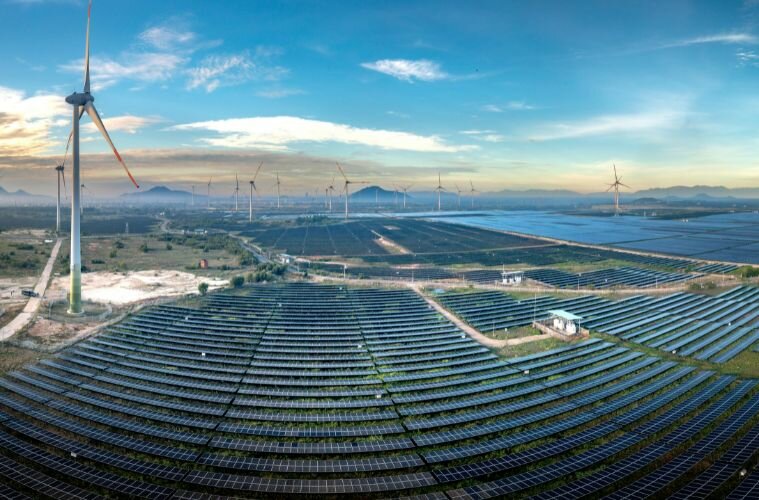
Vietnam and Malaysia are expanding transmission capacity in anticipation of future semiconductor demand, treating grid readiness as industrial strategy.