

Denver Public Schools is adding 25 electric buses as grant funding shifts the fleet decision from upfront cost toward long-term operating economics.

Florida's SunTrax testing campus is adding an eVTOL flight track to its autonomous vehicle program, part of a federal AAM pilot spanning 26 U.S. states.
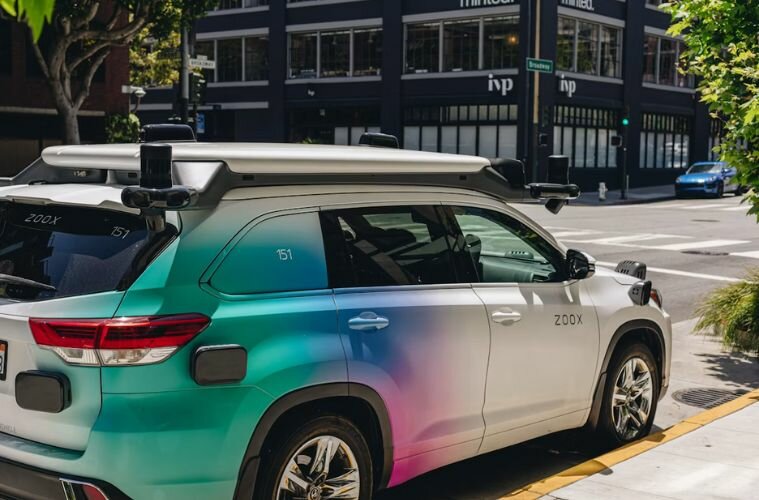
Eighteen EU member states signed a cross-border autonomous vehicle testbed agreement in Luxembourg on June 8, with $21.8 million in digital infrastructure funding launching this month.
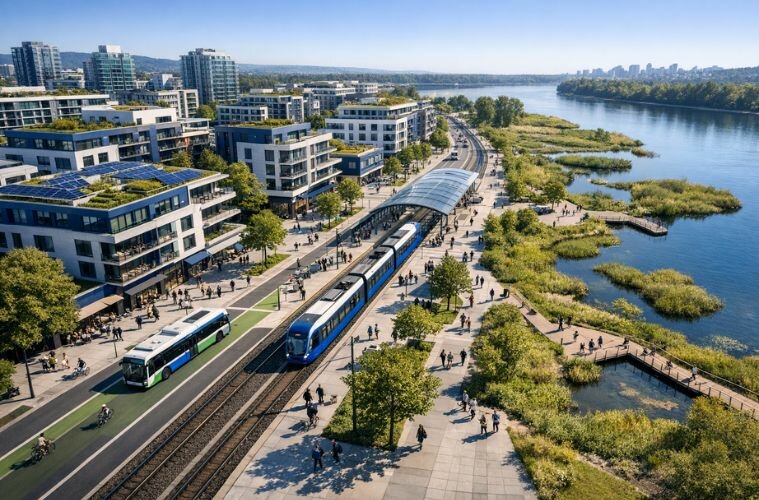
C40 Cities and UN-Habitat's Urban Planning Accelerator launched at the World Urban Forum with 33 cities committing to compact, climate-responsive development by 2035.

ChargePoint and OBE Power will deploy 2,500 EV charging ports at multifamily housing in 2026, closing a charging access gap that affects millions of apartment-dwelling EV drivers across North America.

EPRI and EV Charging POD experts reveal why interconnection timelines, on-site generation, and data gaps are slowing electric vehicle infrastructure.

Strikes on Gulf ports and the Strait of Hormuz are throttling oil, LNG, and freight movement. Here's what operations and procurement leaders need to know now.

U.S. biogas investment passed $2B in 2025, with 70 new projects online. RNG output jumped as landfill and farm systems scaled capacity.

Nebraska assumes full NEPA authority for highway projects, shifting environmental review control from FHWA to the state and accelerating timelines.

Carton recycling access climbed to 63% of U.S. households in 2025. Nearly 2.5 million more homes can now place cartons in the bin.

A new assessment of Odisha’s power system shows how repeated cyclones expose infrastructure vulnerabilities, recovery limits, and the role of operational preparedness in resilience.

As buildings electrify and demand shifts, facilities teams are encountering infrastructure limits that were never designed to absorb today’s loads.

Once abandoned, Seattle’s Metropole Building now runs at ultra-low energy use. Its revival shows how cities can cut carbon without erasing their past.

As storms intensify, cities are shifting from pipes to permeable design. Sponge cities absorb rain where it falls, easing floods and boosting resilience.

Recent self-driving vehicle incidents highlight both the promise and limits of autonomous technology as executives weigh sustainable transportation strategies.

An IMF climate policy diagnostic finds climate shocks pose macro-critical risks to Liberia’s economy, urging reforms across energy, water, and fiscal policy.

Seventeen states sue USDOT over reversing federal transportation performance standards, arguing the move disrupts infrastructure planning and long-term investment.
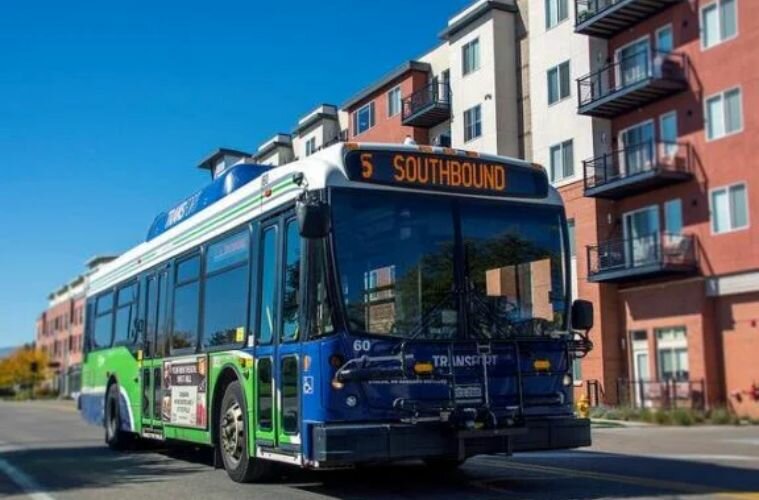
Fort Collins Transit will replace six aging CNG buses with FTA-funded low-emission models, improving service reliability and reducing NOx and PM emissions.

Homes England’s 2025–2030 plan positions housing, land, and enabling works as national infrastructure essential to economic growth and sustainable communities.

At COP30, African institutions pushed for peace and climate goals to align. Stability is now seen as key to unlocking investment and resilience across the continent.