

Duke Energy applied for DOE loans on May 11 to lower financing costs on its $103 billion five-year capital plan serving six states with fast-growing energy demand.

A single number often drives multimillion-dollar infrastructure decisions—cost per watt, cost per port, cost per megawatt. But across solar, EV charging, and data centers, that number is frequently built on inconsistent assumptions, making comparisons look precise when they are not.

Policy divergence between the U.S., Europe, and Asia Pacific is forcing multinationals to manage energy procurement as a collection of regional decisions rather than a coherent global strategy.

SANY is scaling local production as global equipment rules tighten. Its 2025 report links electrification, digital oversight and compliance.

Louisiana SCR 68 creates a blockchain task force with no seats for utility regulators or grid planners, a structural gap other states have moved to close through energy oversight requirements.

Federal grand jury charges Synergy Marine Group on 18 counts for the MV Dali Key Bridge allision, including six counts of misconduct resulting in death and environmental violations.

Durham's Society 5.0 model shows how integrated infrastructure intelligence is becoming a material factor in corporate investment and workforce decisions in 2026.

Colorado SB 102, which would have required data centers to pay full grid costs and meet emissions targets, was voted down unanimously May 11. Other states are hitting the same wall in 2026.

A Rice University PNAS study links El Nino and Indian Ocean Dipole climate patterns to armed conflict onset in drought-exposed regions, with implications for supply chain and operational risk planning.

Procurement teams that accepted broad pass-through language in their energy agreements because it looked like standard contract boilerplate are now receiving invoices that reflect tariff costs they did not model, did not cap, and may have limited ability to dispute.

Extreme weather is pushing power grids to their limits — and AI data centers are especially vulnerable. Here's how grid-aware infrastructure and intelligent workload scheduling can keep operations running when it matters most.
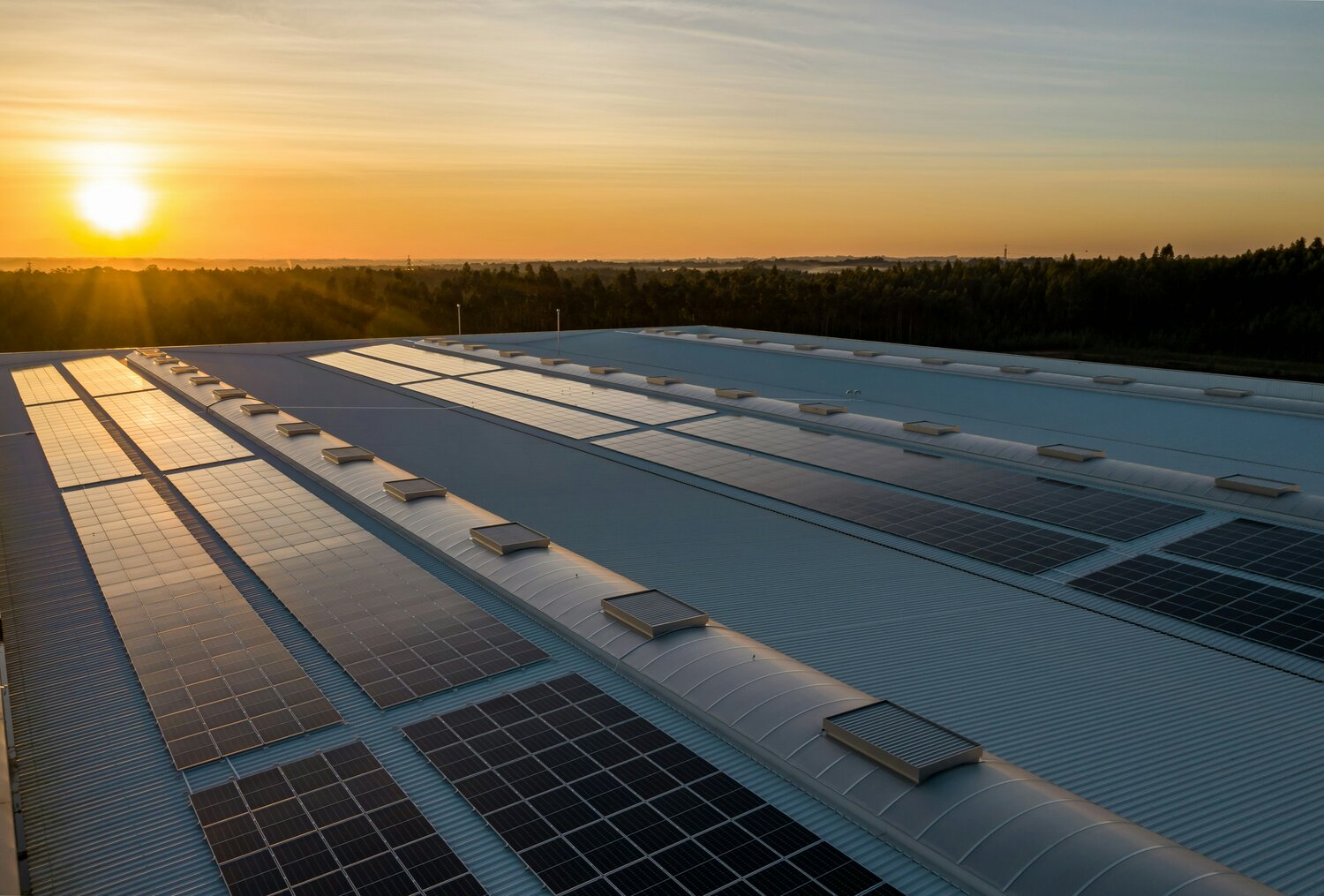
ISO New England's 2026 CELT Report adds its first behind-the-meter battery forecast and flags a winter peak timing problem tied to heat pump adoption growth through 2035.

Four months of rainfall deficiencies have pushed water storage and soil moisture to critical levels across eastern Australia, with record lows recorded in New South Wales.

Project Jupiter is moving to a fuel cell microgrid. The shift highlights how AI data centers are rethinking power, water and local impact.

The cost of not investing in climate health systems is quantifiable, and the financial return on investing in them is exceptionally high.

The companies that built their energy strategy around efficiency are discovering a gap between what that strategy promised and what it has delivered.

Federal and state environmental compliance obligations are converging on 2026 and 2027 deadlines. What C-suite and legal leaders need to understand about the compounded exposure.

Ohio SB 103 is now law, letting natural gas utilities offer alternative rate plans to large industrial users consuming over 1.2 million Mcf annually.

Scope 3 emissions in supplier networks are outpacing facility-level efficiency gains. New data and GHG Protocol revisions are raising the stakes for sustainability leaders in 2026.

The voluntary carbon market has a credibility problem that is no longer contained to specialized environmental circles.