

Waste is moving from disposal cost to business asset. Circular systems can turn plastics, sludge and organics into energy, materials and resilient supply chains.

Idaho's April trade mission to Japan and Micron Technology's accelerated Boise fab timeline are positioning the state inside the semiconductor and AI supply chain buildout reshaping U.S. industrial geography.

OSHA's enforcement priorities have shifted, inspection weighting has evolved, and heat illness citations are expanding without a finalized federal standard, leaving many EHS programs misaligned with how inspections are actually being conducted in 2026.

The October 2026 TSCA reporting deadline and July TRI filing date are pulling PFAS into active regulatory scrutiny. Most facility programs are not ready for what follows the filings.

DJI Agriculture's 2025 industry report tallies 51 million tons of cumulative CO2 reductions and 410 million tons of water saved from over 600,000 deployed drones globally.

Anderon will initially focus on wafer fabrication for superconducting qubit technology and supporting electronics, with plans to expand into other quantum computing approaches over time.

As heat seasons grow longer and grid stress events hit more frequently, the transition points that were always the weakest links in temperature-sensitive logistics are failing at higher rates.

House FY2027 energy and water bill advances at $58.5B, cutting grid and clean energy programs sharply while boosting nuclear defense and water infrastructure.

Mexico's CFE declared grid emergencies three times in summer 2024 and reserve margins hit 3% in May of that year. For manufacturers who relocated to Mexico, summer reliability risk was not in the original location analysis.

El Nino drought cut hydropower output across South America in 2024-2025. For procurement and finance teams with Latin American operations, that is a seasonal power cost and curtailment risk standard contracts do not address.
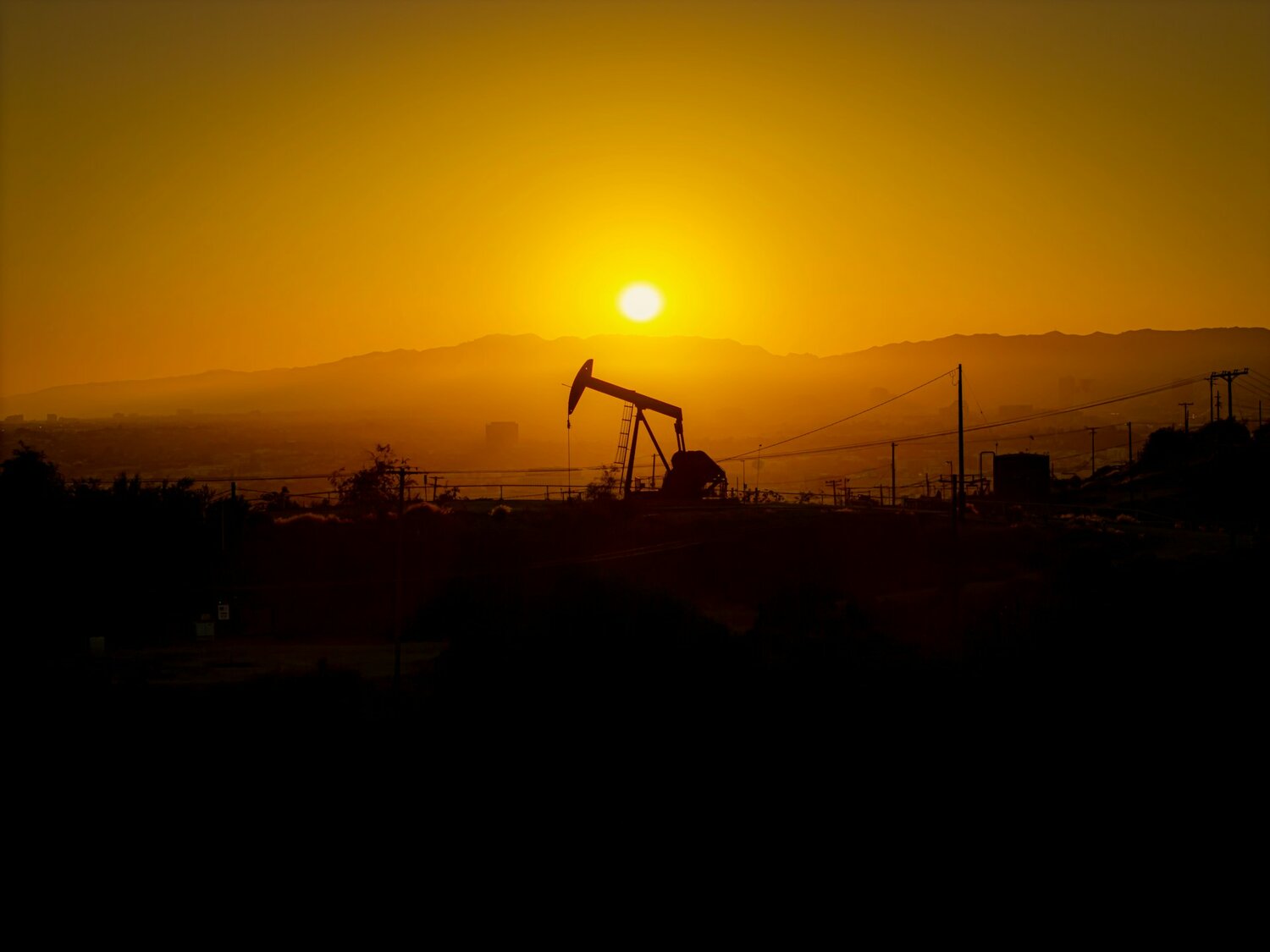
Aging wells often move to smaller operators. New research says these transfers could leave cleanup costs harder to fund.

Wet bulb temperatures in the Gulf and South Asia are crossing physiological safety limits earlier each year. Most multinational heat protocols are not calibrated to where peak exposure actually occurs.

Fusion is moving from lab work to infrastructure planning. A new UK consortium aims to turn momentum into a bankable commercial power project.
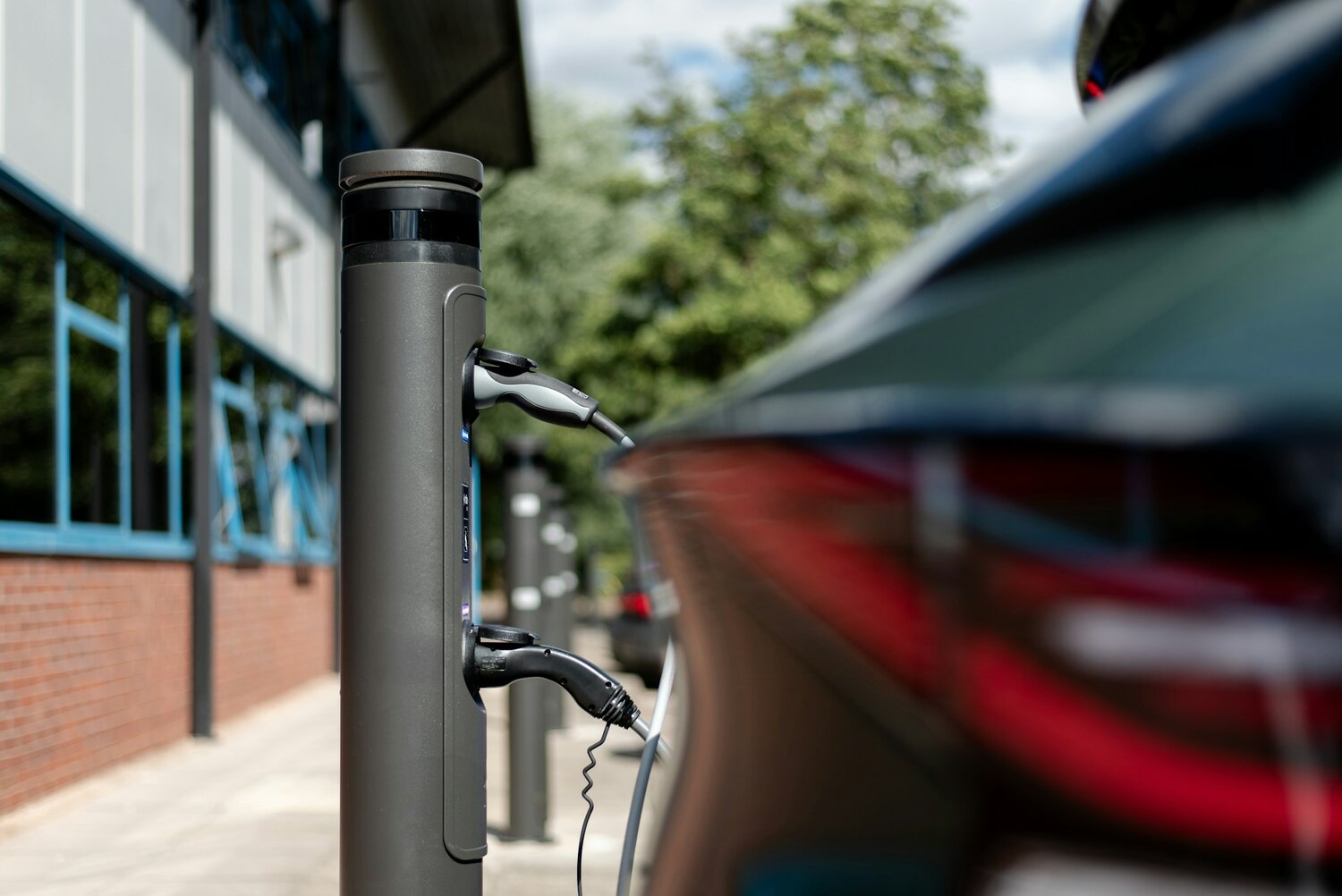
InstaVolt is using battery storage to cut grid pressure and support faster EV charging. The move could help operators grow while connections lag.
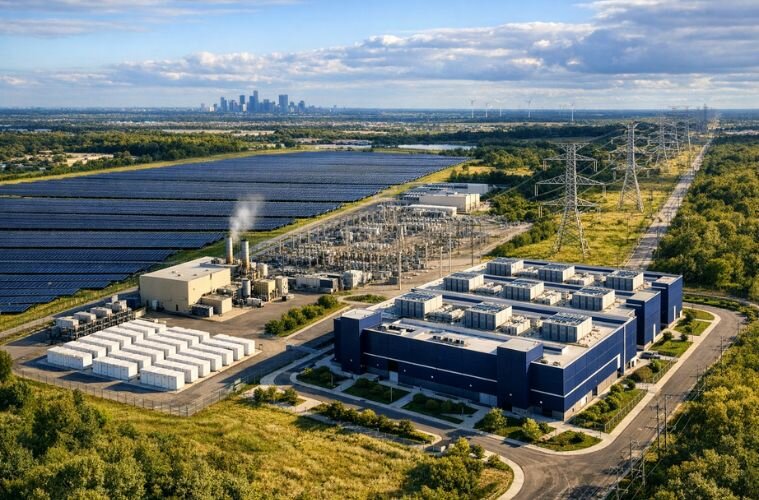
The leading edge of corporate energy procurement in 2026 is not a sustainability conversation. It is an infrastructure conversation.

A convergence of policy changes, carbon pricing, corporate decarbonization pressure, and rapid growth in corporate PPAs is reshaping how companies operating in Japan evaluate electricity procurement.

Zelestra’s 6.5 MWdc Ginosa plant is now online in Puglia. The project links clean power with continued farming, a long-term PPA and student training.

What do industrial operations leaders heading into contract renewals in 2026 need to know?

Policy divergence between the U.S., Europe, and Asia Pacific is forcing multinationals to manage energy procurement as a collection of regional decisions rather than a coherent global strategy.
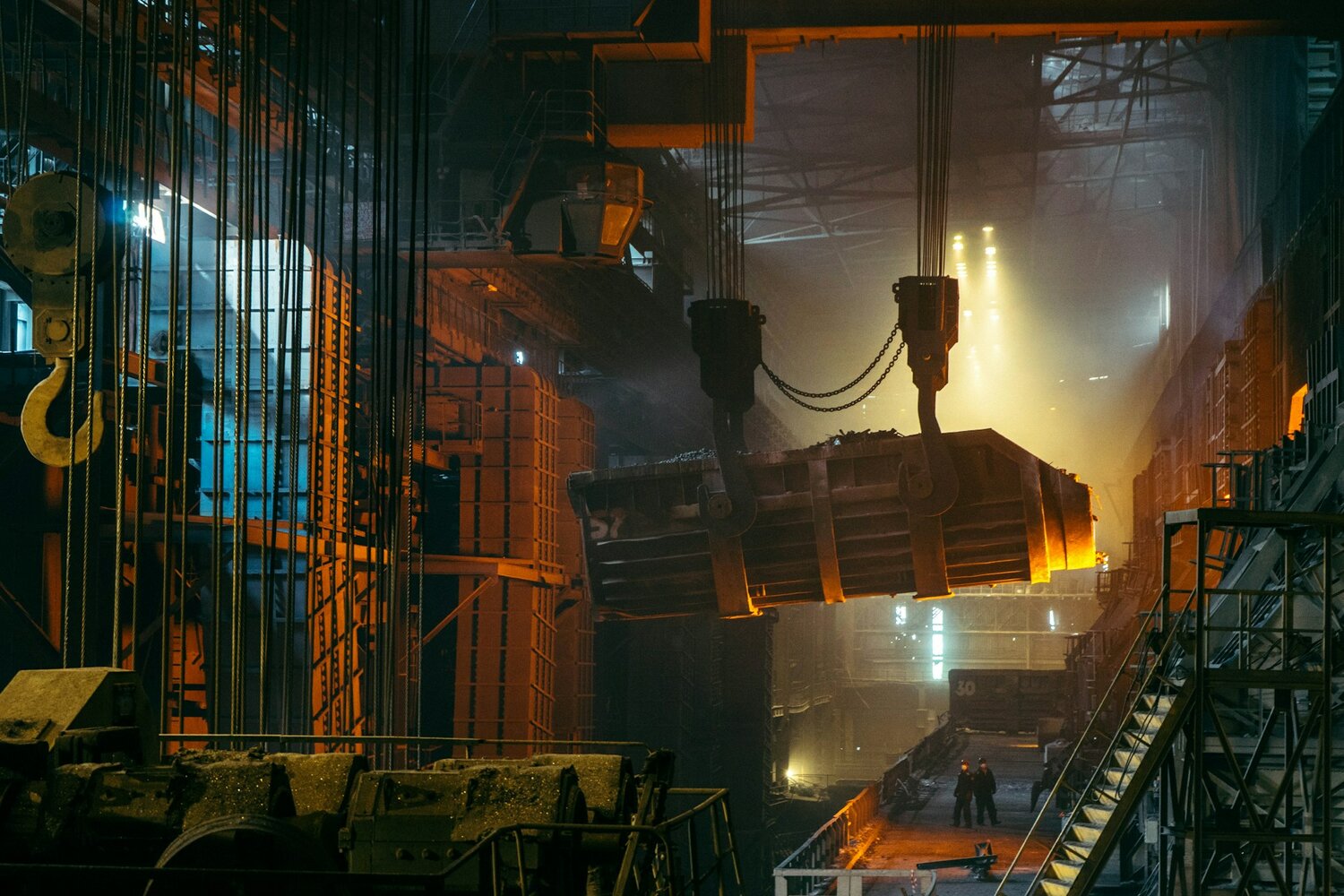
SANY is scaling local production as global equipment rules tighten. Its 2025 report links electrification, digital oversight and compliance.