Waste management is moving beyond its traditional role as a back-end disposal function. For businesses, cities and regulators, it is increasingly tied to emissions reduction, resource security and
supply chain resilience.
Research led by Prof. Yong Sik Ok of Korea University is helping frame that shift. Working with international collaborators, including researchers at Harbin Institute of Technology, Ok’s team is exploring how circular economy systems can turn plastics,
organic waste and wastewater residues into usable materials, energy and industrial inputs.
The focus is not only on reducing waste volumes; it is on
redesigning how waste streams are managed from the start. In plastics, for example, reduction remains important, but it does not fully address the scale of global plastic pollution. Ok’s work points to closed-loop systems where packaging and plastic products are designed with recovery, reuse or upcycling in mind.
For manufacturers and procurement teams, that means
circularity needs to be considered earlier in the product lifecycle. Materials, packaging formats and end-of-life pathways all influence whether plastic becomes a stranded waste problem or a recoverable resource.
The same thinking applies to waste infrastructure more broadly. The COVID-19 pandemic exposed how vulnerable collection, treatment and disposal systems can be when demand patterns shift quickly. Medical waste, packaging waste and disrupted logistics all placed pressure on systems that were often designed for routine operations rather than crisis conditions.
That has made waste infrastructure a bigger issue for B2B decision-makers. Resilient systems can help companies and municipalities maintain essential services, reduce environmental risk and limit unequal exposure to waste-related pollution during periods of disruption.
Turning Organic Waste and Sludge Into Energy Value
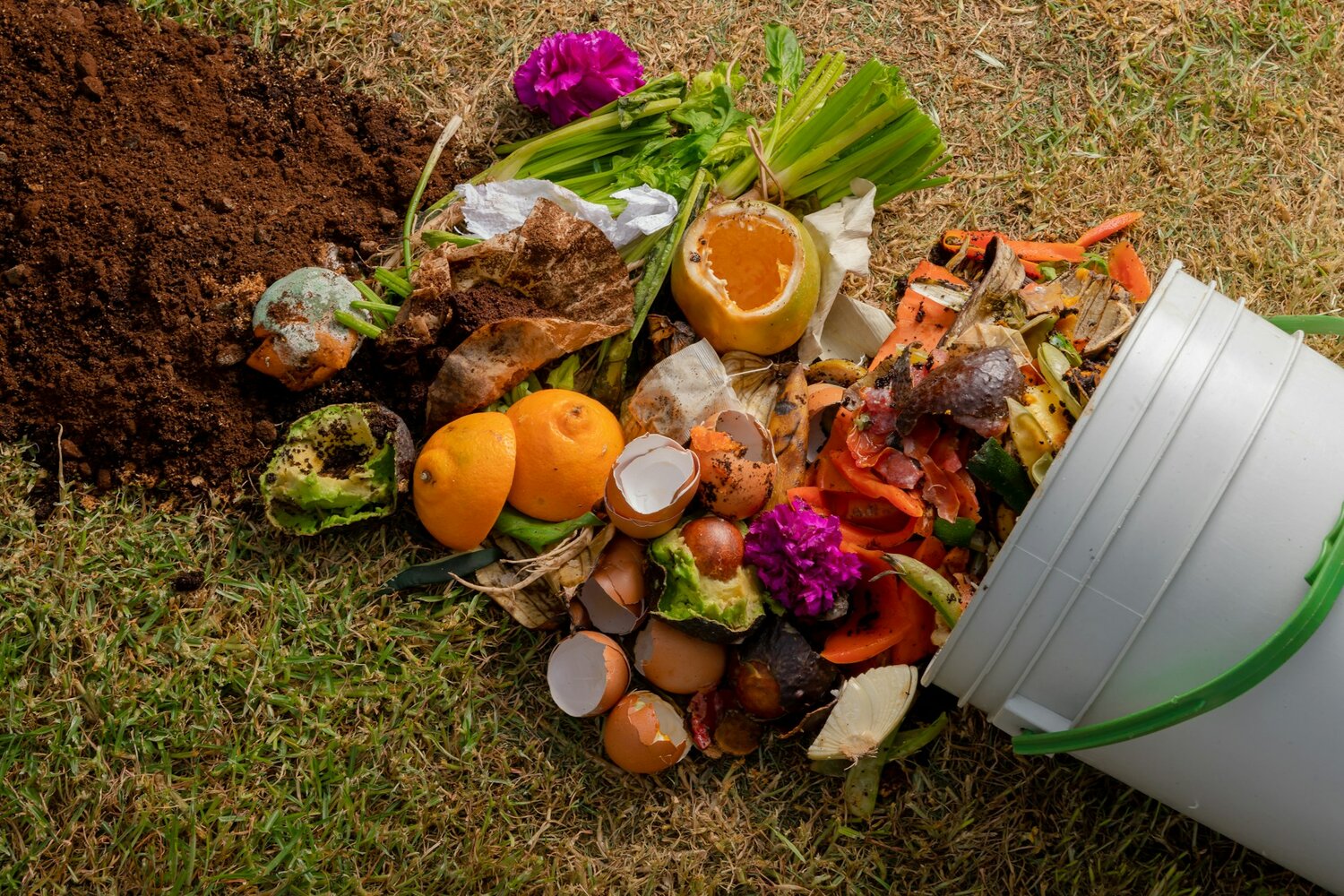
Organic waste is another area where circular economy thinking is becoming more practical. Biomass streams such as fruit and vegetable waste, along with waste activated sludge, can be processed through anaerobic digestion. In this process, microorganisms break down organic material without oxygen, producing biogas that can be used for electricity, heating or upgraded into bio-natural gas.
The challenge is that conventional anaerobic digestion can be unstable. Over-acidification can disrupt microbial activity and reduce methane output, which limits reliability for commercial-scale use.
To address this, Ok collaborated with Prof. Xue-Ting Wang on a hybrid microbial electrolysis cell–anaerobic digestion system. The system integrates electrodes and low-voltage inputs to support microbial activity. According to the research described, the approach increased methane production by 65.4% while improving process stability.
The system works by separating and supporting different biological functions. Bio-anodes help drive methane generation, bio-cathodes improve stability, and suspended microbes break down organic matter. This structure makes the conversion of biomass into energy more reliable, which is critical for scaling the technology beyond controlled research settings.
For businesses, waste strategy is becoming more connected to energy planning, materials recovery and operational resilience. Plastic circularity, stronger waste infrastructure and biomass-to-energy systems all show how waste can be repositioned as an input rather than a liability.
As circular economy models mature, companies that treat waste as part of their resource strategy may be better placed to manage regulatory pressure, reduce exposure to supply disruptions and identify new value from materials that were previously written off.