

Data centers are absorbing grid capacity that manufacturers need for expansion, forcing executives to treat power access as a site selection variable.
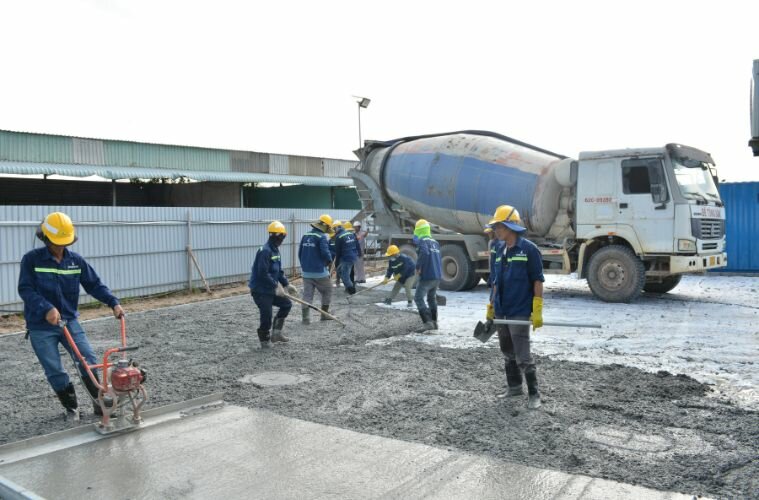
As skilled trades shortages narrow the contractor pool, procurement teams face a workforce constraint they didn't create and can't negotiate their way out of.

California’s SB 343 update gives cartons fresh labeling clarity. New MRF data shows stronger sortation, but recovery work remains.
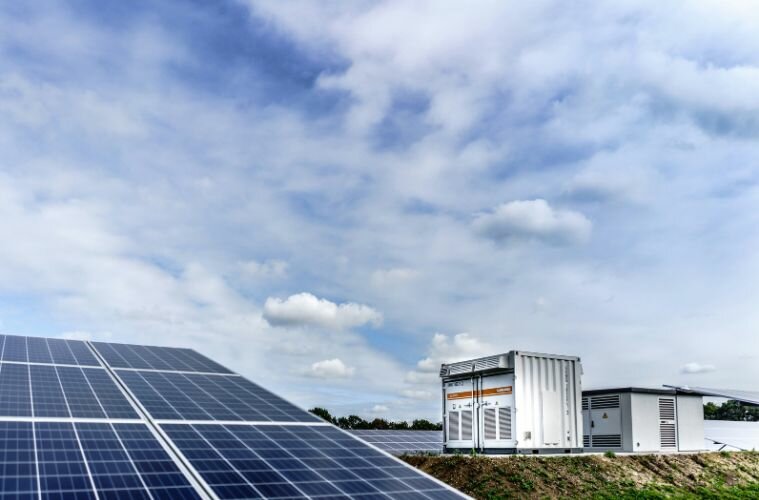
With median interconnection timelines approaching five years, facilities teams are redesigning project sequencing around a queue that most enterprise plans never accounted for.

CFOs entering Q3 face a triage question: which infrastructure-dependent projects can actually execute on their original timelines, and what changes next.

Senior energy officials from Qatar, the U.S., Nigeria, and Algeria are urging the EU to clarify methane rules before 2027 import requirements begin, warning of rising supply disruption risk.
Tariff volatility, critical mineral concentration and supplier concentration have shifted the sources of procurement leverage heading into Q3 2026.

Infrastructure constraints on power, water and permits are structural, not cyclical. Executives still planning around their resolution are planning for an environment that doesn't exist.

UPS is investing $48 million in temperature-controlled freight facilities while expanding AI-powered logistics to support growing pharmaceutical demand.

Speakers at London Climate Action Week said cities, businesses, and regional coalitions are increasingly driving climate action ahead of COP31.

For years, organizations optimized for efficiency. In today's operating environment, excess capacity is increasingly becoming a strategic asset organizations can't quickly replicate.

Rock Tech’s Victory option adds lithium upside in Northwestern Ontario. The deal supports its push to link exploration with future conversion capacity.

Illinois HB1700 expands state authority over renewable energy siting disputes, signaling a broader shift toward accelerating project development.
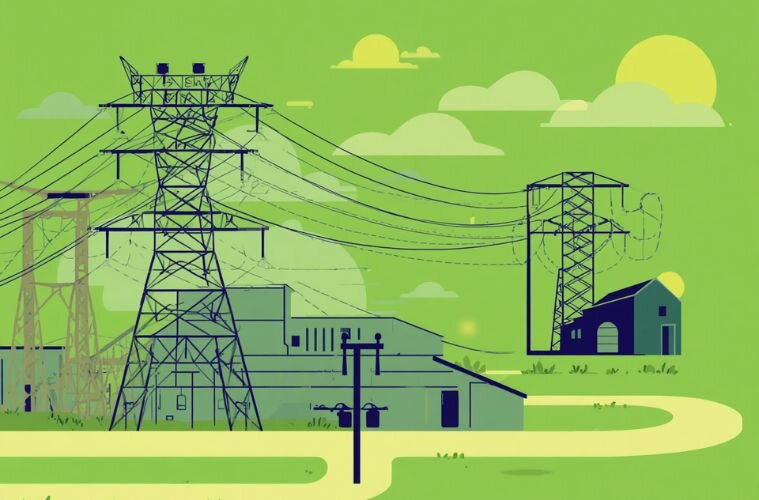
For years, uncertainty justified delay. Increasingly, uncertainty itself is becoming the cost organizations can no longer afford to absorb.

The projects moving forward in the second half of 2026 are increasingly defined by infrastructure readiness, permitting certainty, and execution feasibility rather than projected returns alone.

A structural cost coverage gap in the EU's Extended Producer Responsibility framework is leaving recyclers underfunded, just as the Circular Economy Act opens for reform.

The biggest risk entering H2 may not be execution. It may be relying on planning assumptions that no longer reflect operating conditions.
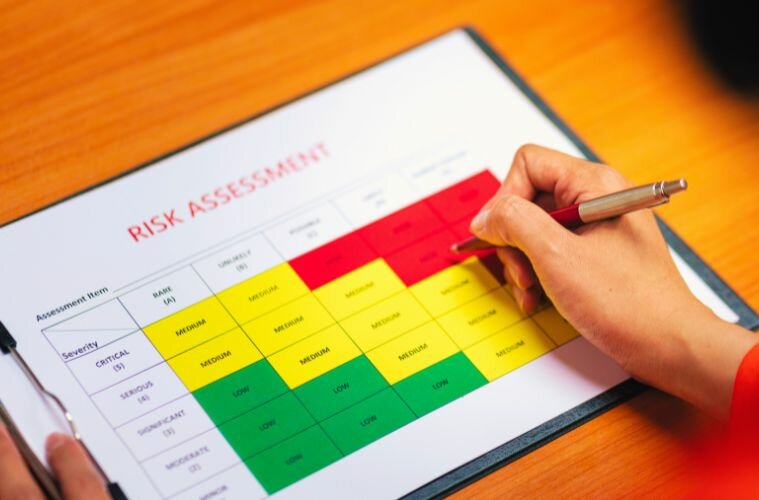
Heat enforcement, grid constraints, supply chain exposure, and AI infrastructure demands altered corporate risk profiles in Q2. Many companies are still operating from outdated assumptions.

The UK announced a $63.5 million critical minerals investment, funding rare earth magnet manufacturing, recycling projects, and a new industry demand aggregation platform.

Rivian is linking its EVs to utility managed-charging programs. The ChargeScape deal could help drivers cut costs while giving utilities more flexible load.