

El Nino drought cut hydropower output across South America in 2024-2025. For procurement and finance teams with Latin American operations, that is a seasonal power cost and curtailment risk standard contracts do not address.
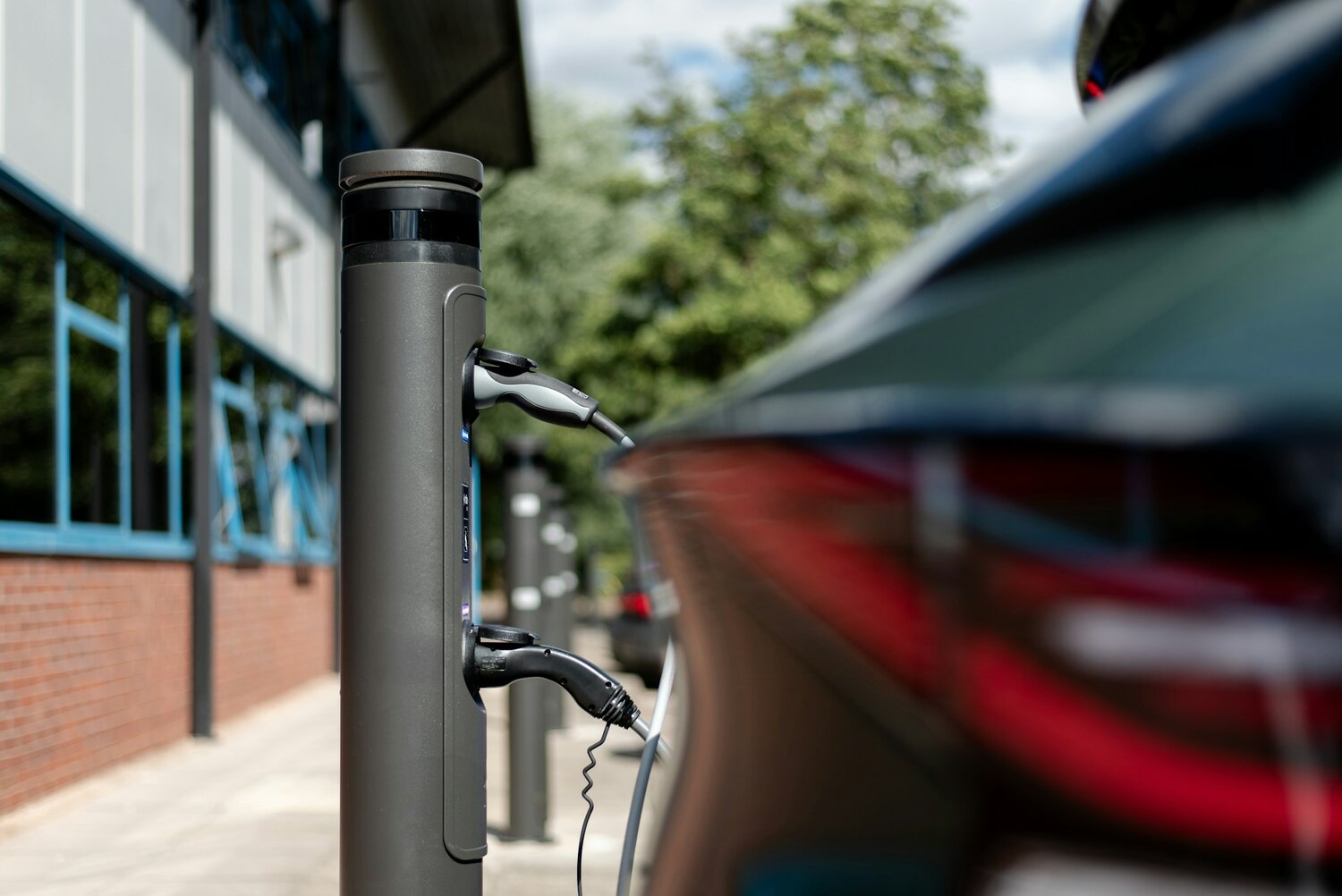
InstaVolt is using battery storage to cut grid pressure and support faster EV charging. The move could help operators grow while connections lag.

A convergence of policy changes, carbon pricing, corporate decarbonization pressure, and rapid growth in corporate PPAs is reshaping how companies operating in Japan evaluate electricity procurement.

Zelestra’s 6.5 MWdc Ginosa plant is now online in Puglia. The project links clean power with continued farming, a long-term PPA and student training.

Duke Energy applied for DOE loans on May 11 to lower financing costs on its $103 billion five-year capital plan serving six states with fast-growing energy demand.

A single number often drives multimillion-dollar infrastructure decisions—cost per watt, cost per port, cost per megawatt. But across solar, EV charging, and data centers, that number is frequently built on inconsistent assumptions, making comparisons look precise when they are not.

Policy divergence between the U.S., Europe, and Asia Pacific is forcing multinationals to manage energy procurement as a collection of regional decisions rather than a coherent global strategy.

Interconnection delays are creating PPA delivery shortfalls that finance teams did not model. The cost of sourcing replacement power is showing up as unexplained energy budget variance in 2026.

Procurement teams that accepted broad pass-through language in their energy agreements because it looked like standard contract boilerplate are now receiving invoices that reflect tariff costs they did not model, did not cap, and may have limited ability to dispute.
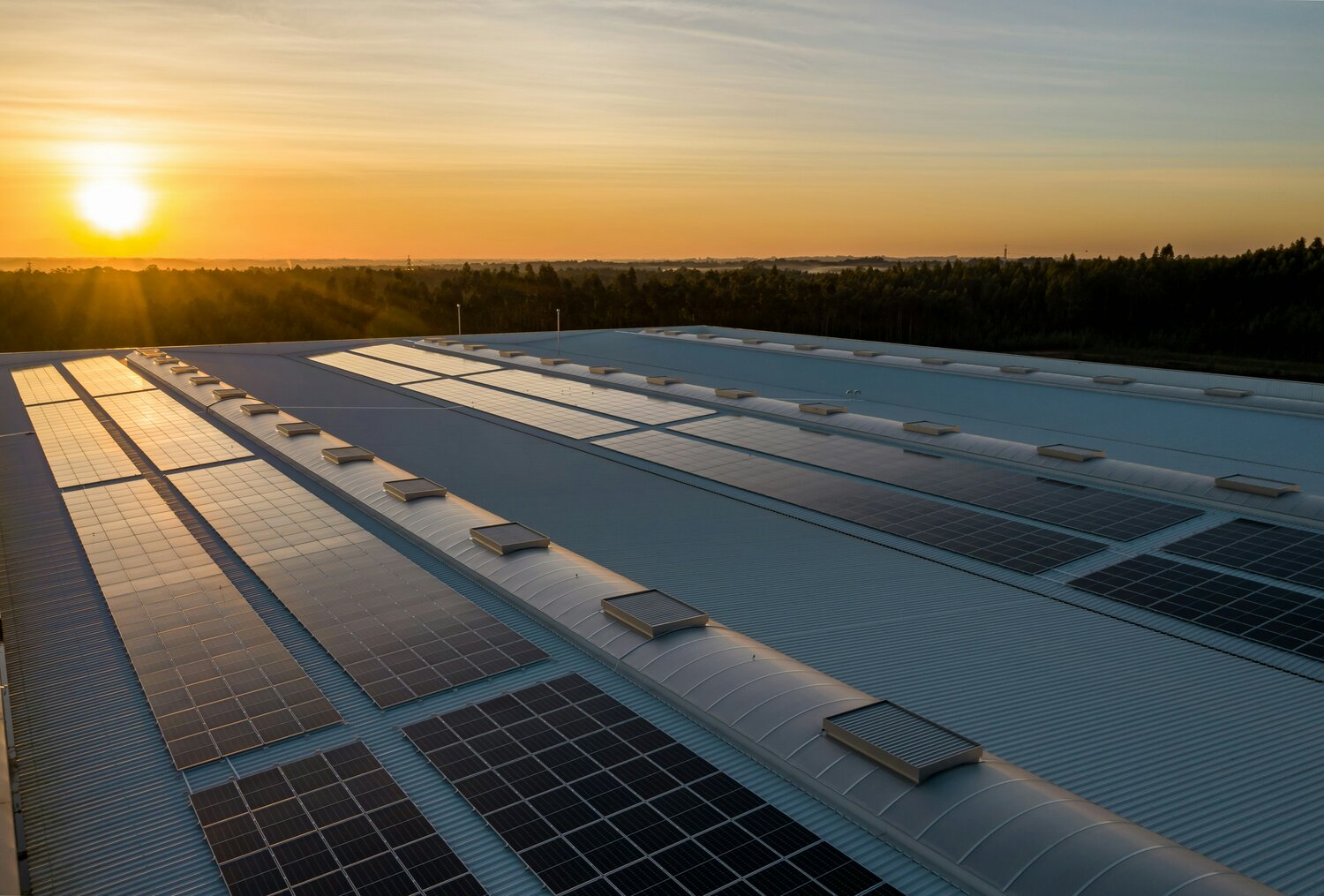
ISO New England's 2026 CELT Report adds its first behind-the-meter battery forecast and flags a winter peak timing problem tied to heat pump adoption growth through 2035.

Renewable energy supplier instability is creating counterparty risk that corporate finance and C-suite teams have not priced into existing supply agreements.

Project Jupiter is moving to a fuel cell microgrid. The shift highlights how AI data centers are rethinking power, water and local impact.

School districts are expanding solar projects beyond pilot phases. By pairing generation with efficiency upgrades, they aim to cut costs and emissions.

Minnesota SF4504 would allow customers to install small plug-in solar devices without utility interconnection agreements, fees, or approval. Here is what the provision covers.

California’s $20M Project Nexus has completed construction on the first U.S. solar-covered irrigation canal, measuring water savings, power generation, and maintenance cost reductions simultaneously.

Verdantix research shows corporate off-site renewable spend growing 34% through 2030. The gap between signing PPAs and managing them is where financial exposure quietly accumulates.

Mars signed a virtual PPA for most of the output from a planned wind farm in Lithuania that doesn't exist yet.
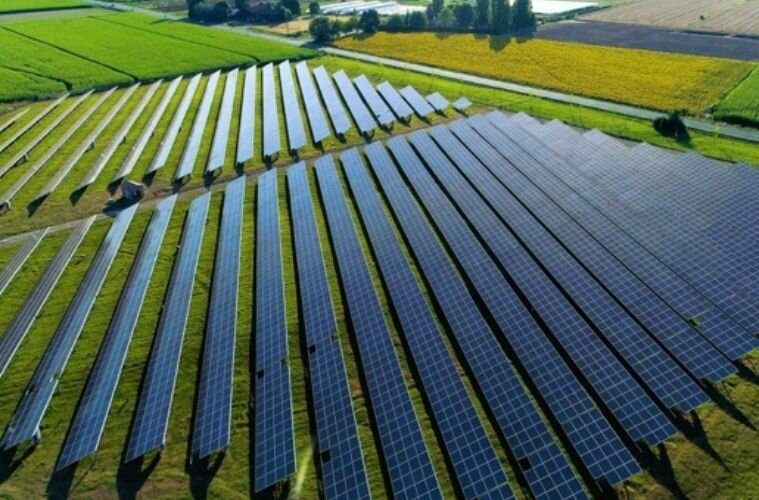
Virginia enacted SB508 April 22, directing Dominion Energy and Appalachian Power to assess unused solar interconnection capacity and pilot storage programs.

Researchers are building electronic materials atom by atom. The approach embeds performance at design stage, not after fabrication.
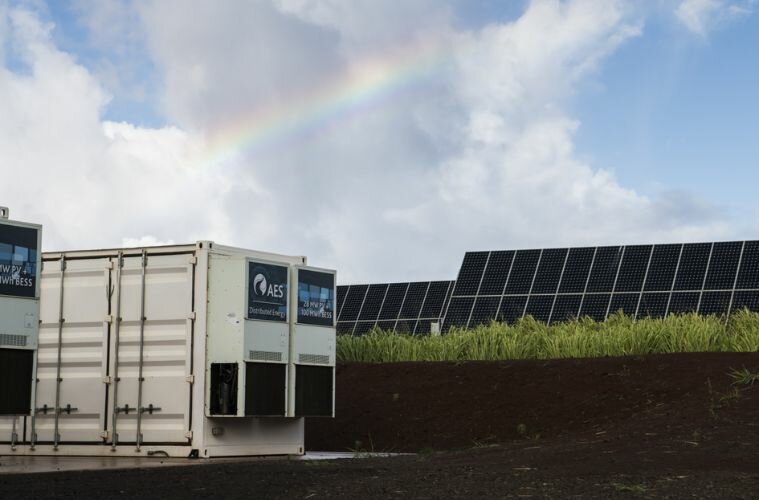
For facilities under grid pressure, on-site generation is no longer primarily a sustainability play. It's the clearest available tool for managing operational risk.