

SUNY Oneonta is the first university to participate in NYSERDA’s Voluntary Tier 1 REC Presale Program, securing 1,000 MWh of locally sourced clean energy to power campus residence halls.
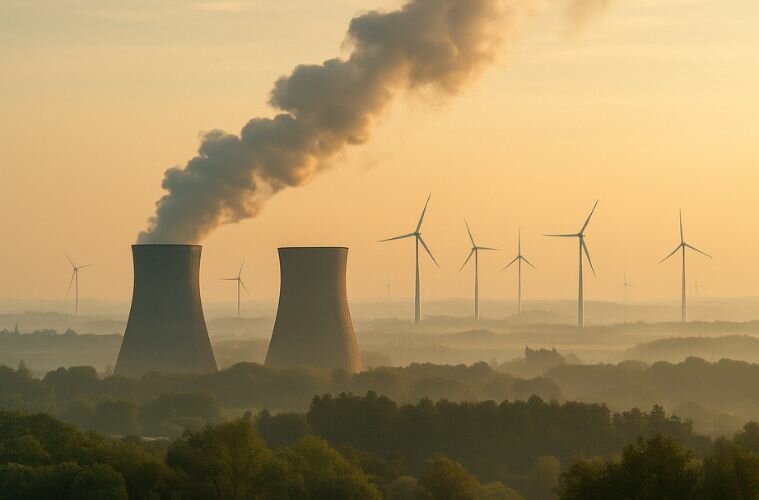
China’s power sector surged with solar up 30.8% and coal down 3.3%, but air pollution in key provinces continues to exceed national safety limits.
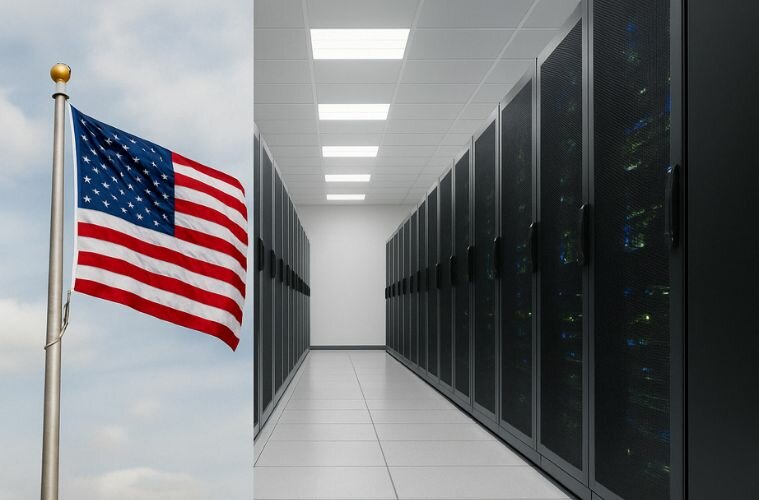
Indiana’s new law bans foreign adversary-linked data centers from using regional grid power, requiring full energy independence to operate in the state.
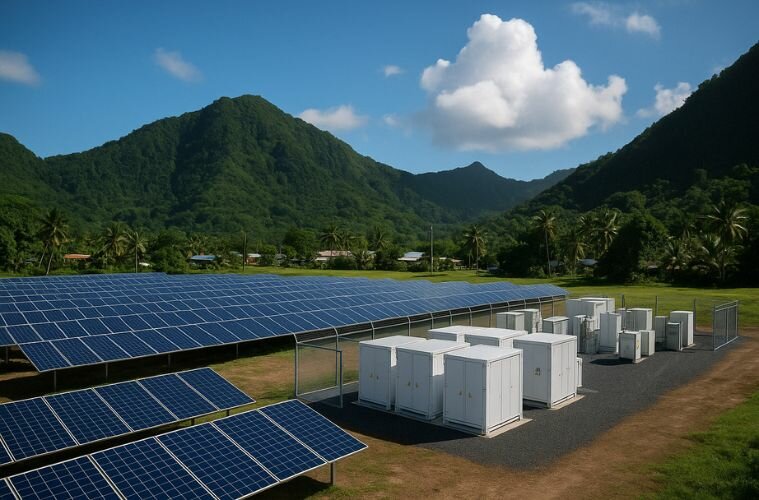
EVLO and EPS commission solar-plus-storage systems to boost grid resilience in American Samoa, supporting ASPA’s 2040 goal of 100% renewable energy.
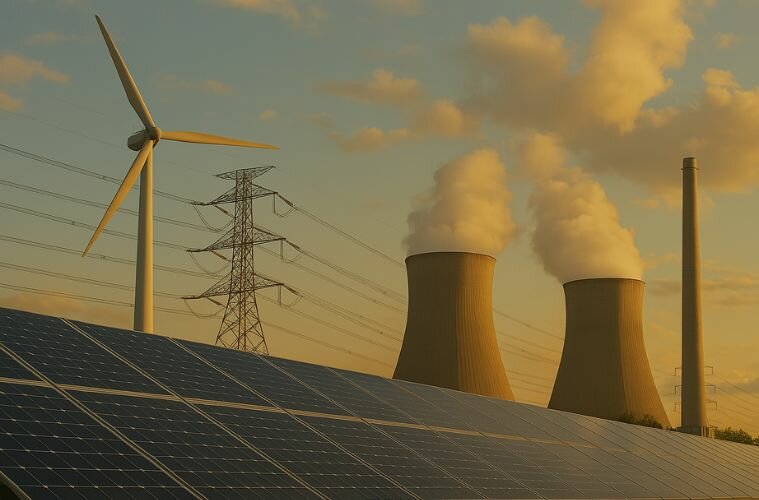
Tennessee redefines “clean energy” to include gas, nuclear, and waste-to-energy—fueling a partisan clash over local control and environmental standards.
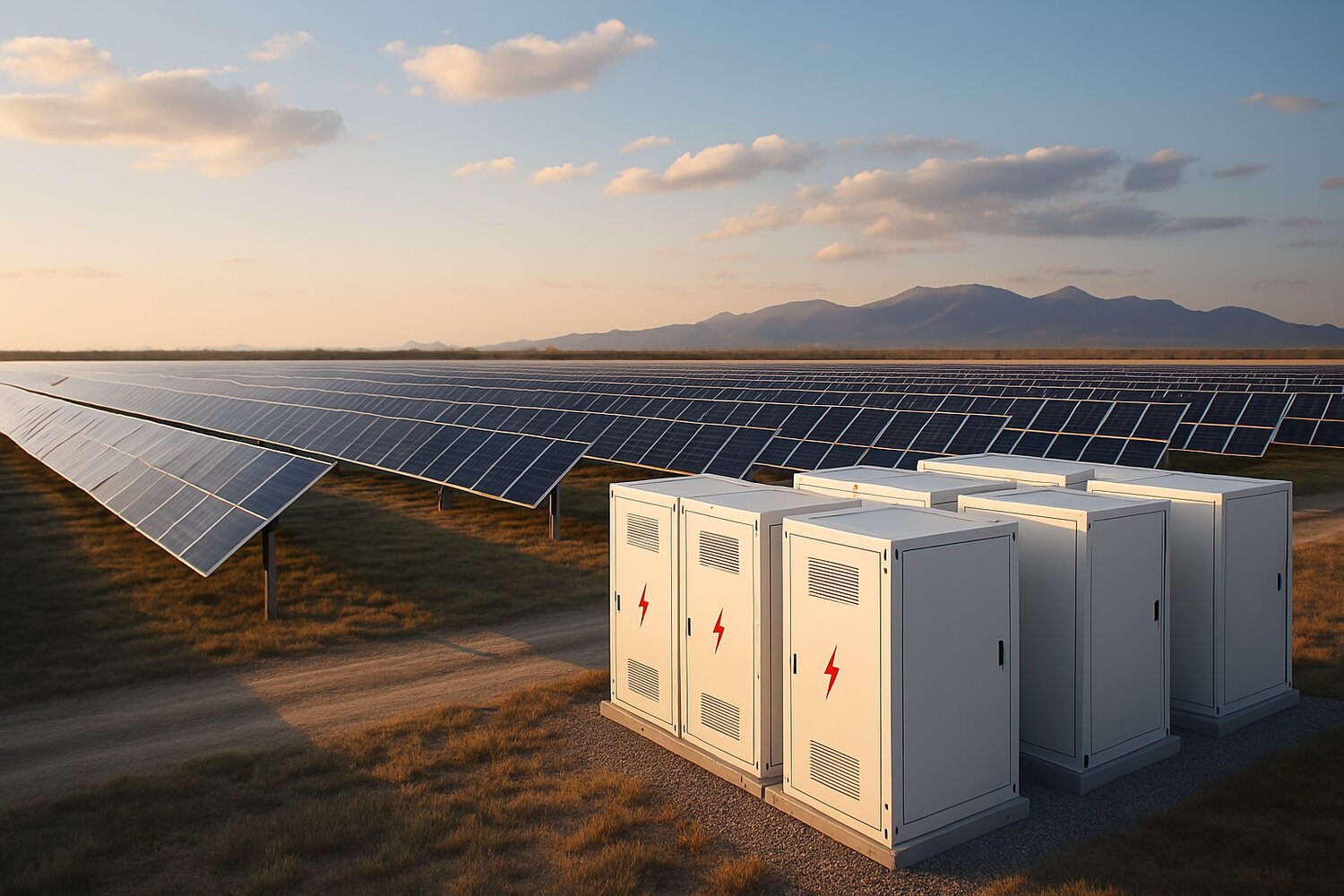
Adapture Renewables proposes a 110 MW solar and battery project in Alamosa County to enhance grid resilience and support Colorado’s clean energy goals.
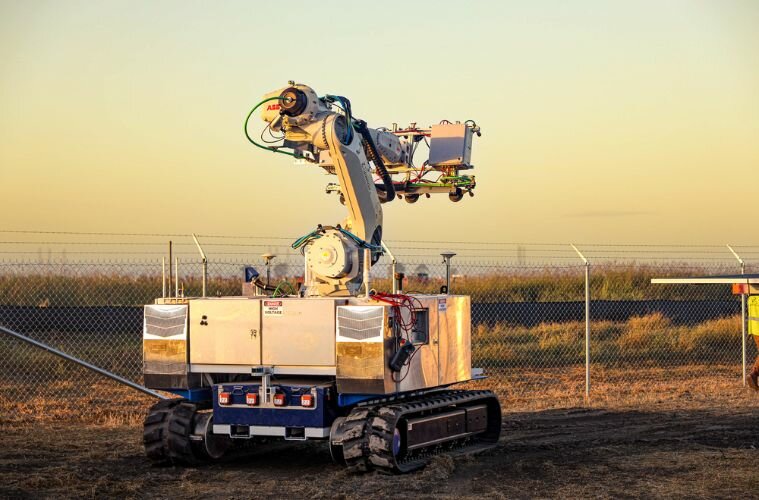
Rosendin debuts autonomous robots that triple solar installation speed and enhance safety on utility-scale projects in Texas, addressing labor and terrain challenges.

The U.S. hits Korea with 26% tariffs, prompting Seoul to pursue talks aimed at protecting critical industries like solar, autos, and electronics.

How lunar regolith and perovskite innovation could influence future energy systems

New Sindelfingen Facility Slashes Energy Use, Emissions, and Water Consumption While Enhancing Digital Integration
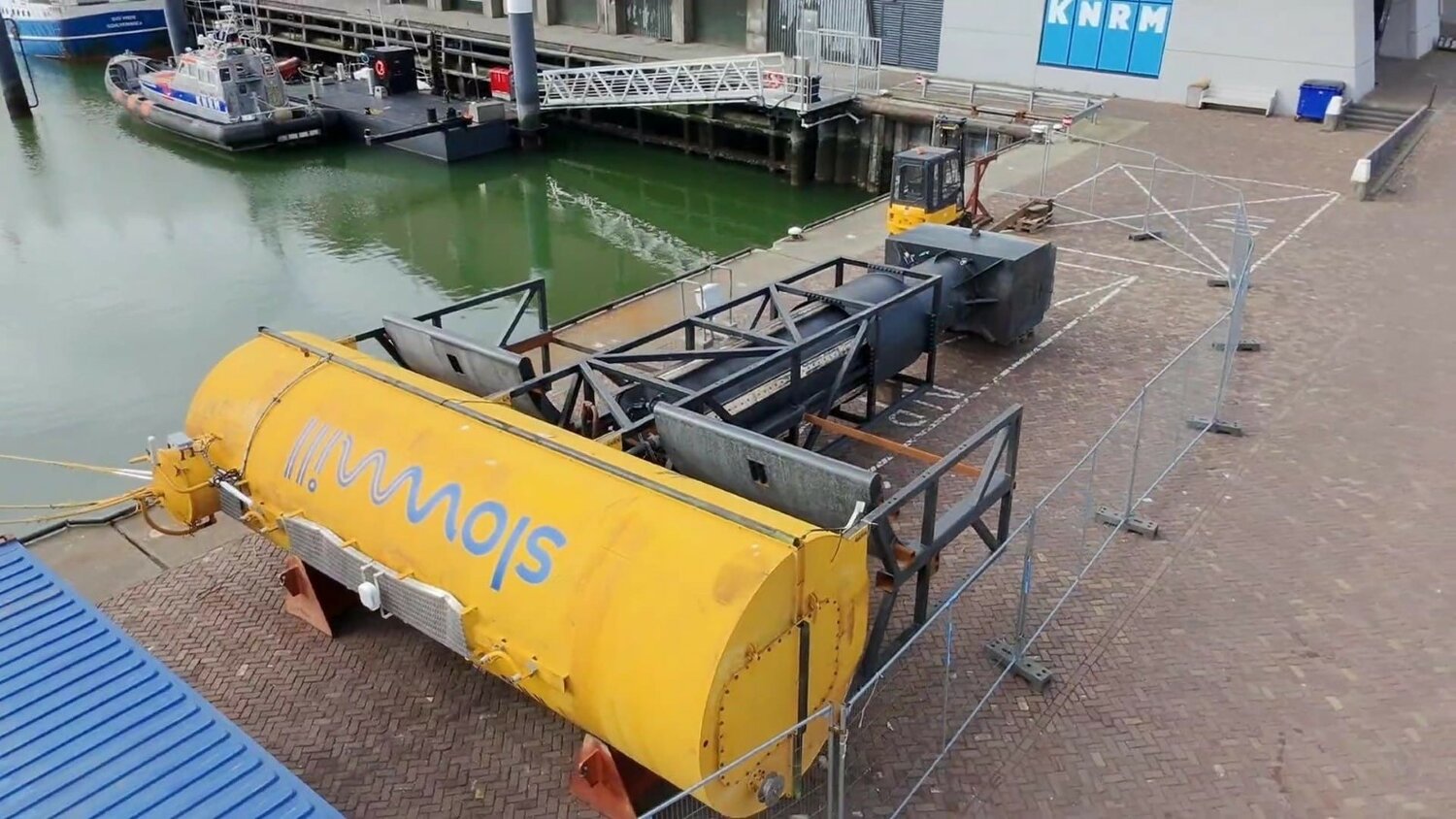
A Dutch wave energy system completed a successful North Sea trial. The tech aims to scale up and integrate with existing offshore wind farms.
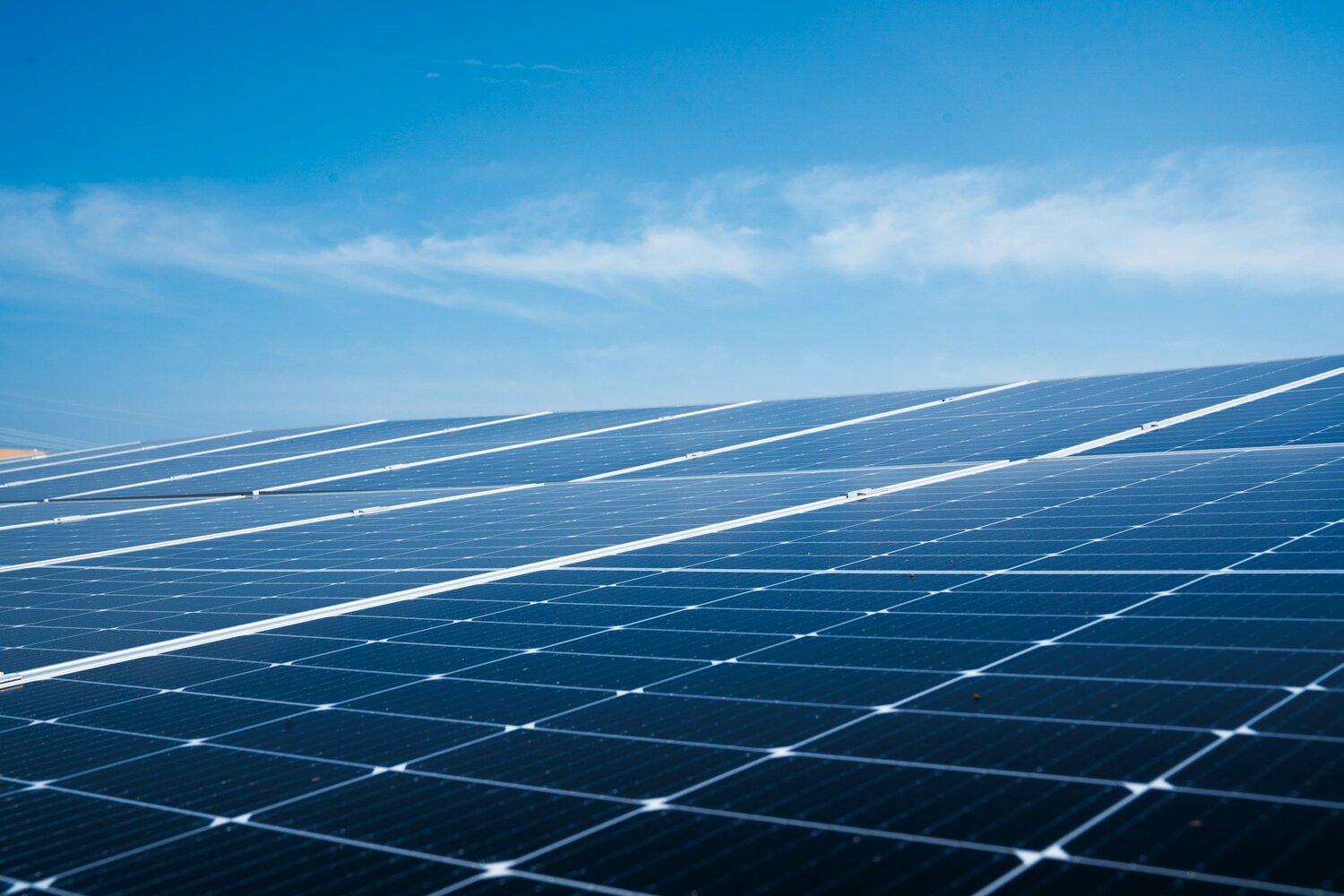
TOYO is expanding solar cell production in Ethiopia to 4GW by August 2025. The move supports global demand for efficient energy solutions.
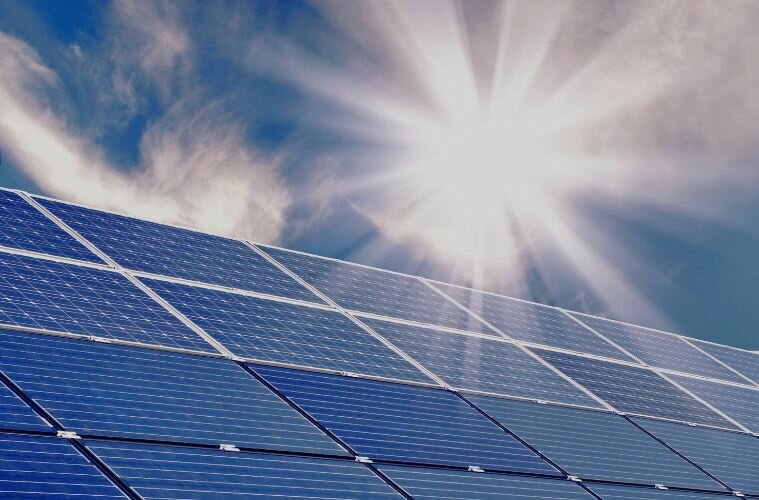
As the demand for clean energy surges nationwide, Ohio finds itself at a crossroads. Despite significant potential for solar energy development, a series of restrictive state laws and local …

White Sands Missile Range deploys a $10.9M microgrid system to ensure 14-day water resilience, integrating solar, battery storage, and natural gas generation.
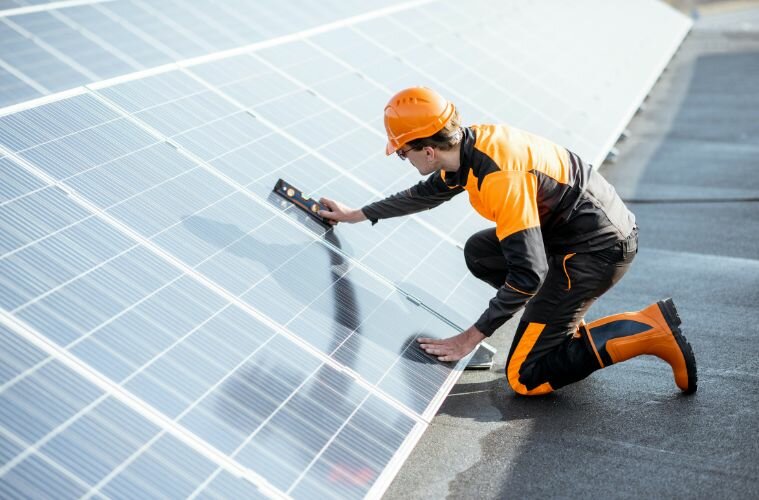
A green workforce shortage threatens net-zero goals. Green jobs are growing 260%, but skills only 60%.
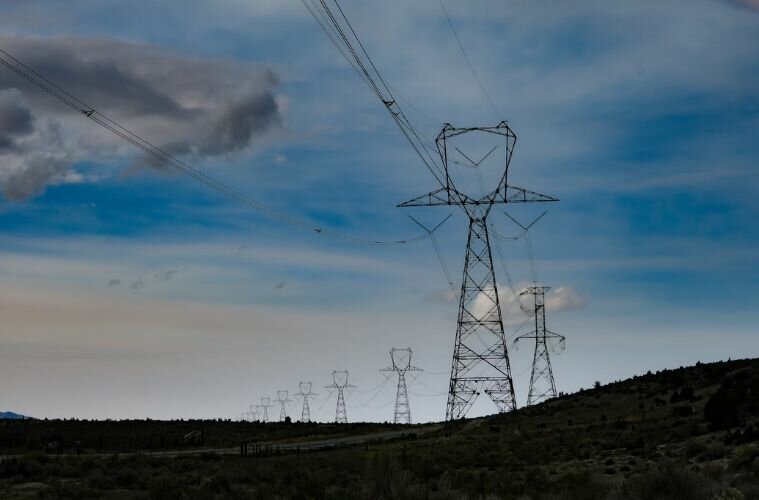
Demand response is key to grid stability in 2025, offering C&I organizations cost-saving solutions while utilities enhance energy efficiency.
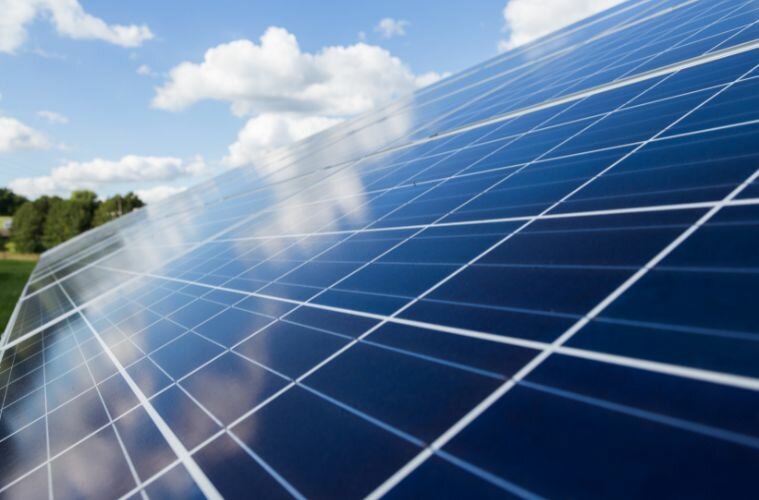
A new joint venture aims to accelerate corporate adoption of clean energy solutions.

Backed by the World Bank, Nigeria’s DARES program invests $750M in solar mini-grids and home systems to boost energy access and sustainability.

By implementing a microgrid that combines solar power, battery storage, and backup generation, the winery ensures uninterrupted operations while drastically cutting carbon emissions.

Cuba’s push for renewable energy is a step in the right direction, but it falls short of addressing the immediate challenges of its struggling electrical system.