

Maryland Governor Wes Moore signs SB 901 into law, making Maryland the sixth U.S. state to adopt Packaging Extended Producer Responsibility (EPR). The law aims to modernize recycling systems and support a circular economy.
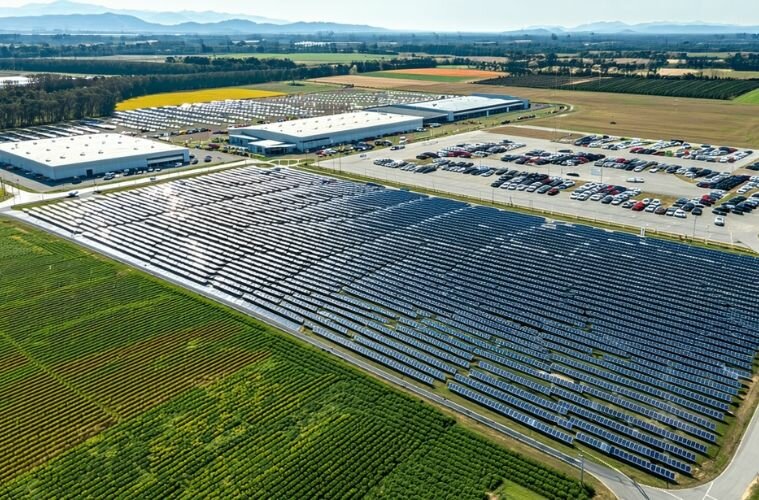
New York Senate Bill S07899 guides renewable energy projects to parking lots, brownfields, and agrivoltaic farms, balancing infrastructure with land conservation.
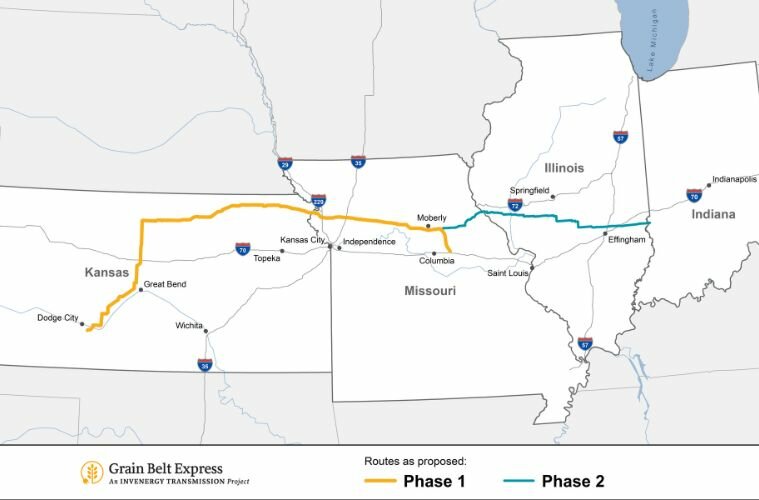
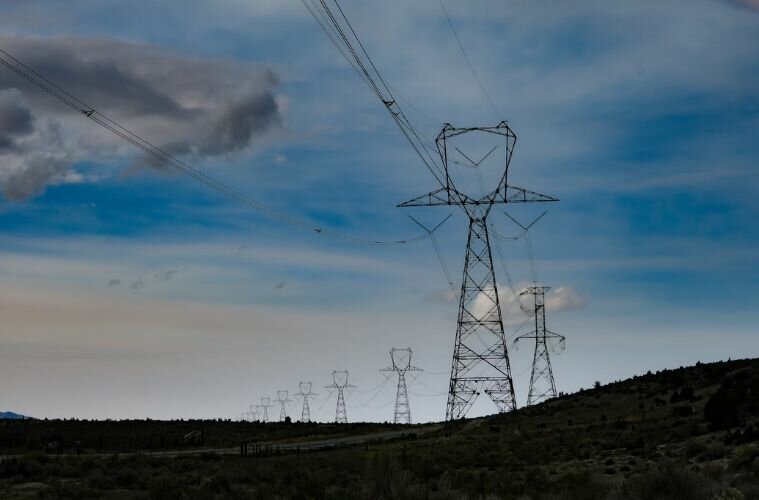
Invenergy’s $1.7B Grain Belt Express aims to modernize U.S. energy infrastructure but faces strong local opposition over land rights and project benefits.
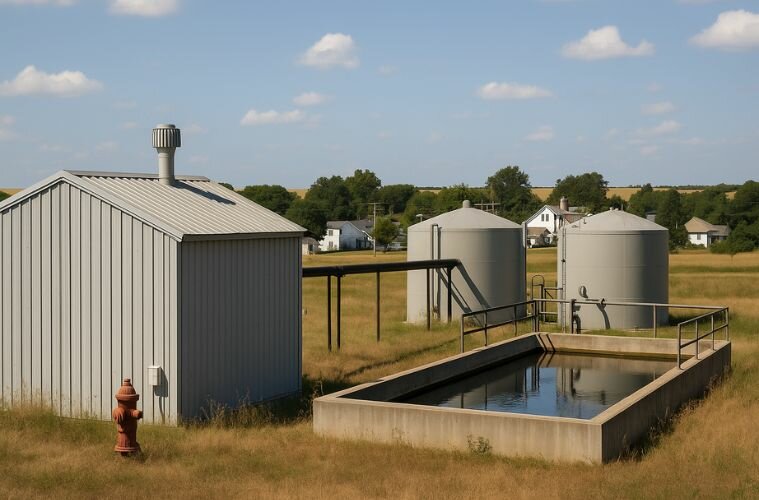
Oklahoma House Bill 1438 becomes law without Governor Stitt’s signature, increasing funding caps for rural water infrastructure grants and signaling legislative independence.
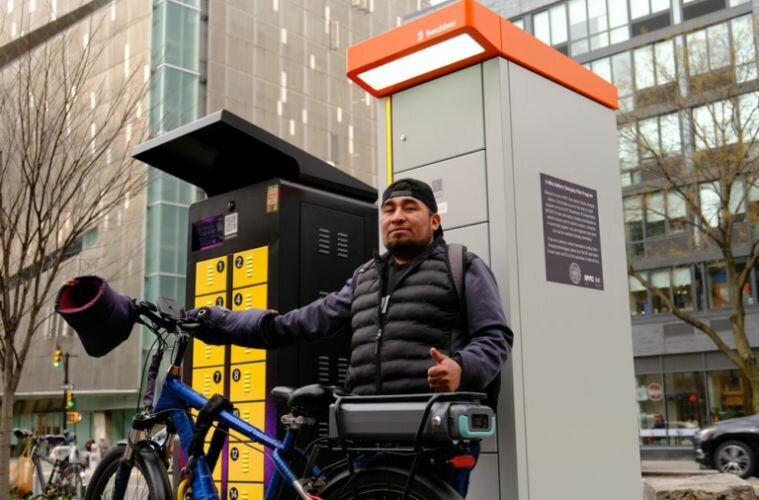
Launched in 2023 by Yamaha Motor, ENYRING offers a swappable battery subscription service for e-bikes designed to eliminate range anxiety, lower costs, and support battery circularity
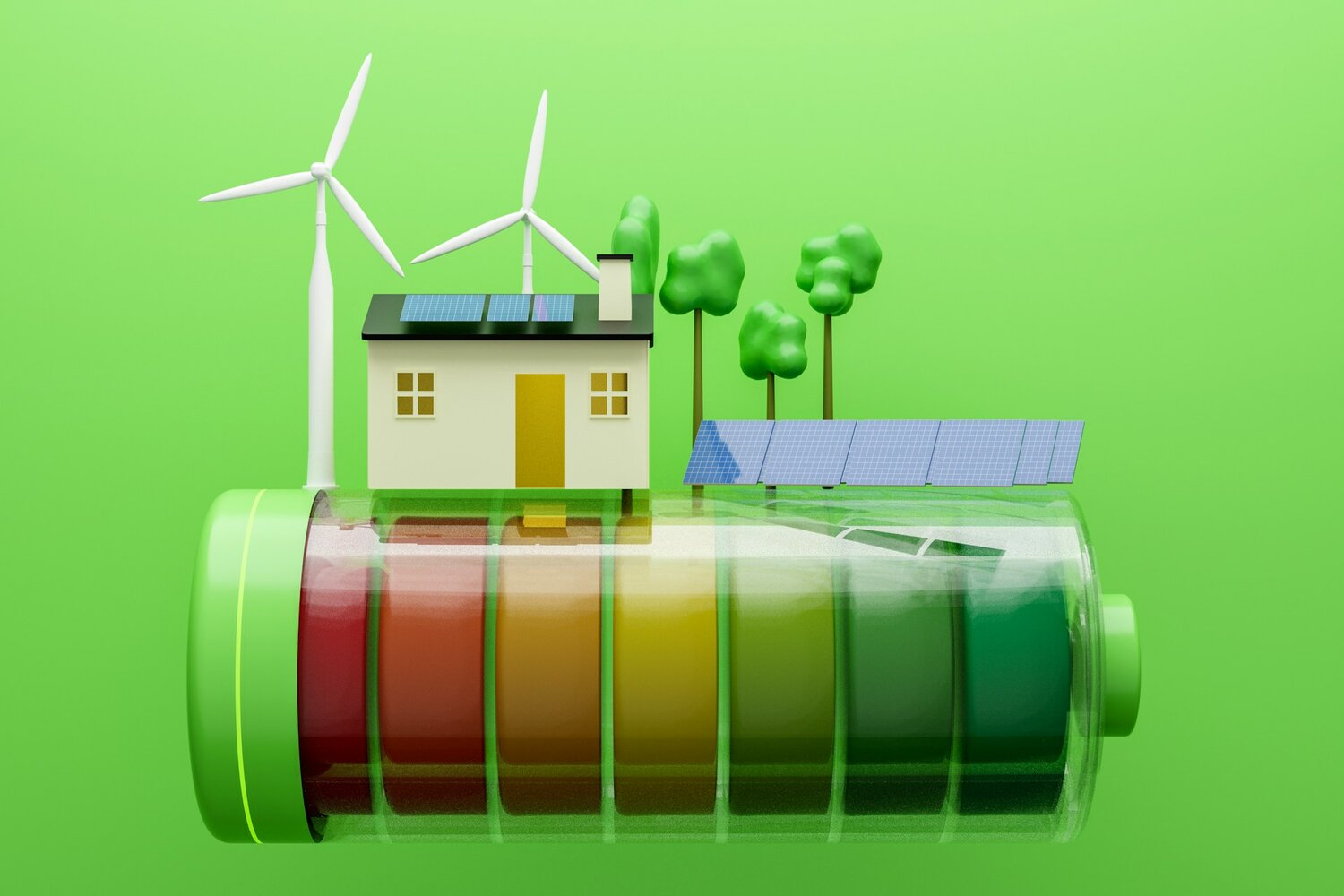
Geopolitical and economic hurdles are dampening short-term energy optimism. Yet, the sector remains focused on long-term sustainability goals.
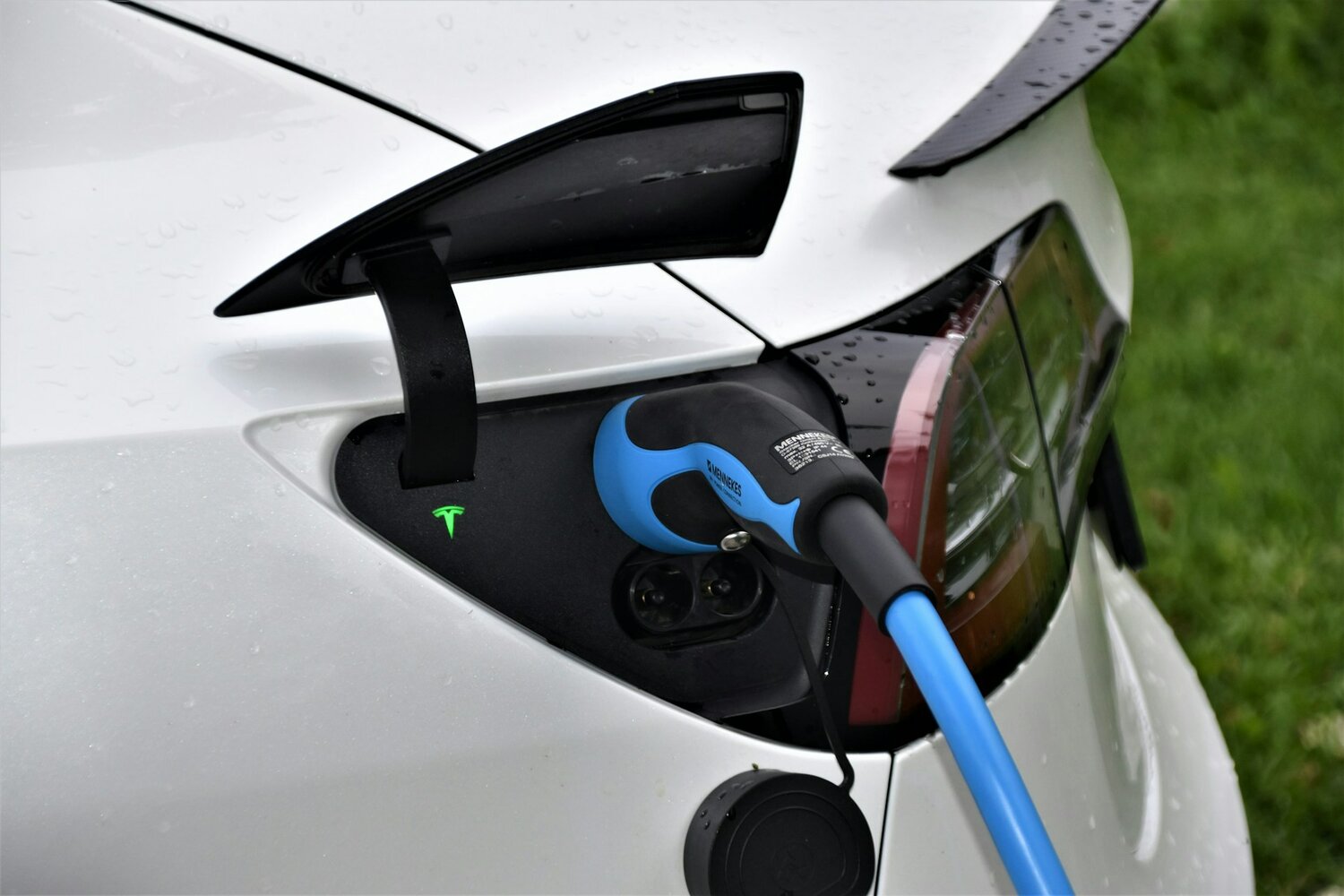
Current and InCharge Energy are launching EV charging hubs for rideshare fleets. The move aims to cut emissions and boost TaaS growth.

NTT DATA's Berlin data center will supply waste heat to a new urban area. The system supports 10,000 residents with low-carbon heating.
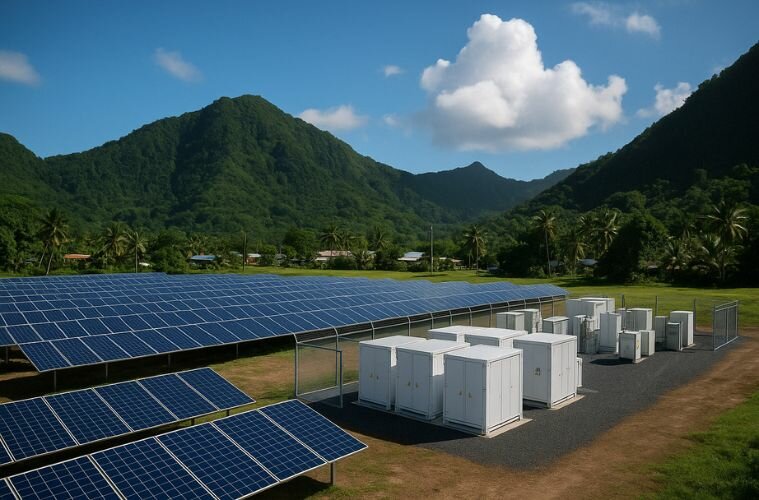
EVLO and EPS commission solar-plus-storage systems to boost grid resilience in American Samoa, supporting ASPA’s 2040 goal of 100% renewable energy.
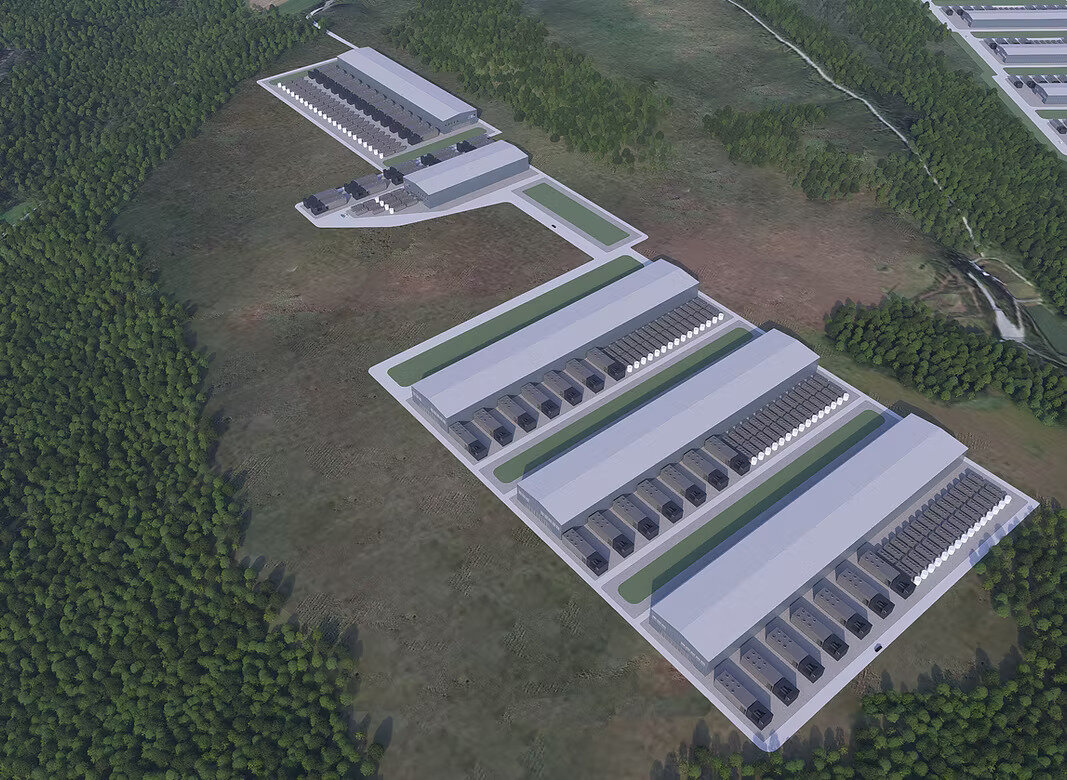
Pittsburgh is converting a former coal plant into a 4.5 GW data center. The gas-fueled site will support AI and high-performance computing.

Technology partnerships are accelerating smart city development across the U.S., driving innovation in infrastructure, mobility, and public services.
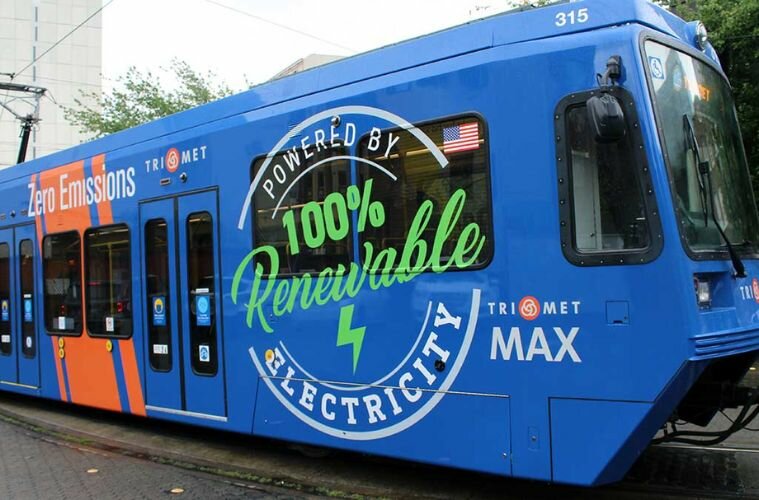
The Smart SW 185th Avenue ITS and Better Bus Project in Hillsboro, Oregon, proposes AI-integrated signals to ease traffic congestion, improve transit service, and enhance pedestrian safety near a busy MAX light rail crossing.

House Bill 15 promotes power generation, affordability, and regulatory transparency—but faces pushback from utilities and environmental advocates.
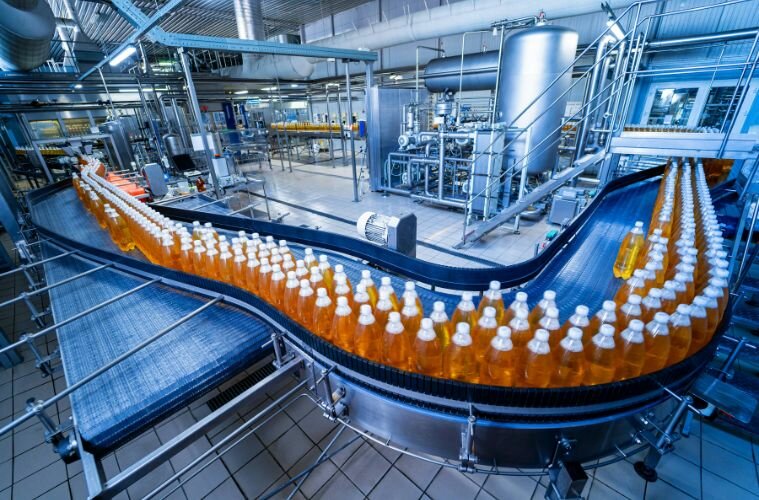
Companies operating in New York must prepare for new compliance frameworks, fee structures, and material sourcing requirements aimed at reducing waste and safeguarding public health.

With $78.7B in storm damage, Helene highlights the need for green infrastructure, grid upgrades, and climate-resilient rebuilding.

Australia invests in green hydrogen, backing CIP’s Murchison project to boost exports, create jobs, and support global decarbonization efforts.
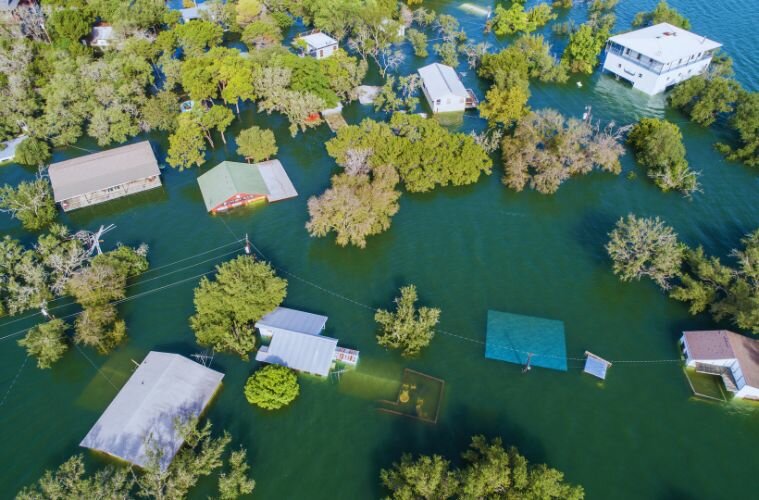
The early onset and concentration of severe weather systems in March 2025 are unusual, raising concerns about future flood risk management and climate resilience strategies.
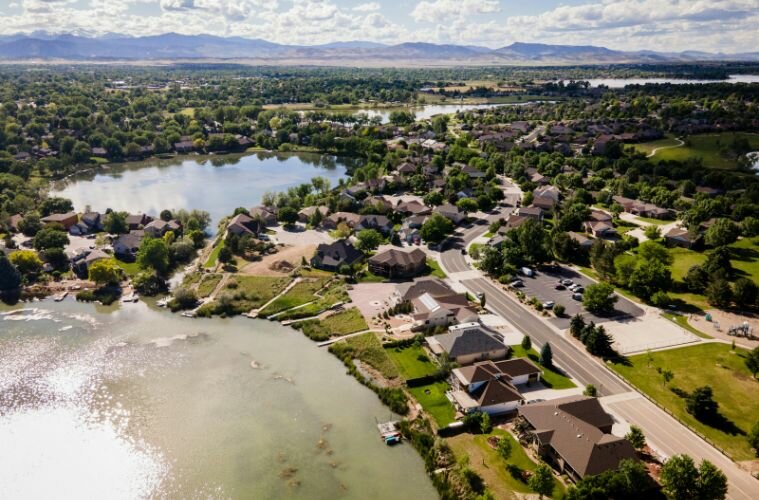
Next City examines how spending on affordable housing development and infrastructure improvements can help prevent renters from being priced out following a disaster.

Romania’s new $152M hydrogen hub will drive innovation in production, storage, fuel cells, renewables integration, tech transfer, and workforce training.
Demand response is key to grid stability in 2025, offering C&I organizations cost-saving solutions while utilities enhance energy efficiency.