

The largest federal investment in water infrastructure in decades is winding down as demand stays high and future funding faces proposed cuts now.

Michigan's updated brownfield law adds project milestones, capital investment checks, and clawback provisions before developers receive state tax incentives.

A new University of Wyoming project highlights how DOE increasingly views coal plants as platforms for critical minerals, water savings, and carbon capture.
For years, uncertainty justified delay. Increasingly, uncertainty itself is becoming the cost organizations can no longer afford to absorb.

The projects moving forward in the second half of 2026 are increasingly defined by infrastructure readiness, permitting certainty, and execution feasibility rather than projected returns alone.
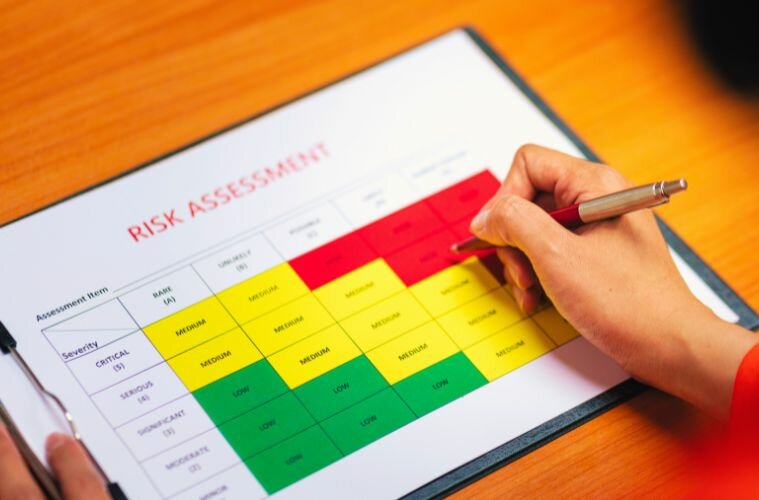
Heat enforcement, grid constraints, supply chain exposure, and AI infrastructure demands altered corporate risk profiles in Q2. Many companies are still operating from outdated assumptions.
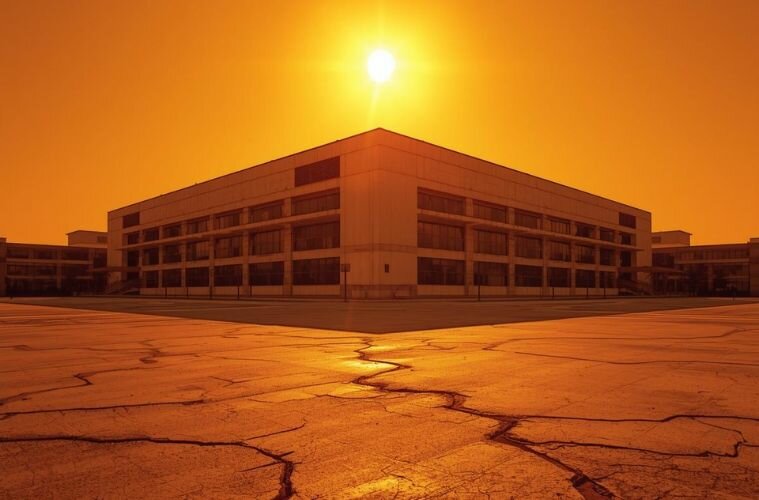
Building energy models were calibrated against climate conditions that no longer exist. Facilities leaders need to understand what that means for efficiency projections and equipment design.

The federal BFPP defense protects brownfields buyers from CERCLA liability, but state programs differ significantly. What EHS and legal teams need to understand before acquisition.

The 2025 IQAir World Air Quality Report shows U.S. PM2.5 levels rose 3% last year, driven by wildfires and an emerging threat from AI data center emissions.
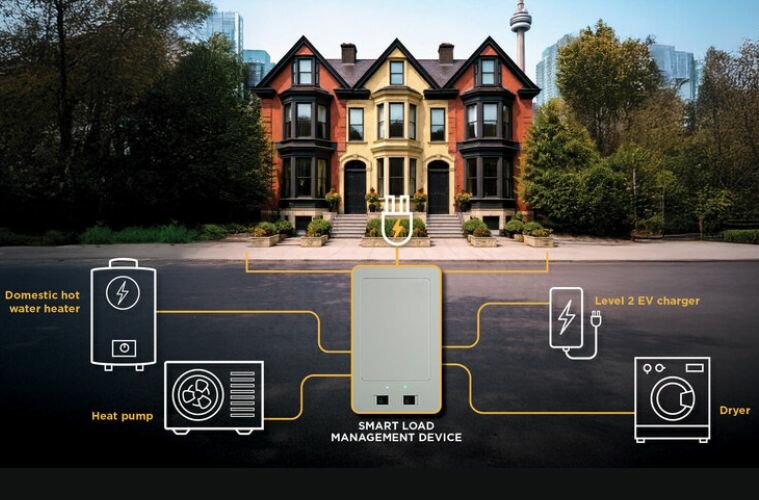
The Multiplex PowerPlay pilot funds smart load management systems that balance energy consumption in real time, keeping demand within existing panel limits without requiring a full service upgrade.

The global water and wastewater treatment market is expanding at 7% annually. Technology — membranes, AI, IoT — is driving the growth.

Arkansas approves funding for local water and wastewater upgrades while expanding statewide infrastructure investment and planning future bond financing.

The money is ready. The projects aren't. That mismatch is defining the green infrastructure market in 2026 — and creating real decisions for executives who want to be on the right side of it.

PG&E outlines how integrated grid planning is reshaping capital allocation, risk management, and reliability as utilities confront wildfire exposure, AI-driven demand growth, and infrastructure constraints.

Building upgrades are moving faster than grid and water infrastructure can expand—creating a growing capital risk few models fully capture.

RICS data shows planning delays, labor shortages, and cost pressures reshaping how—and how fast—green building projects can move forward.

Mainland China, India, and Canada emerged as the top three markets for LEED certification outside the United States in 2025.

TeraWulf’s Kentucky and Maryland acquisitions add 1.5 GW of capacity, reflecting how power availability and grid integration are reshaping data infrastructure development.

AI and advanced data workloads are driving non-linear energy demand, exposing gaps between digital growth and energy capacity.

Grid bottlenecks, transformer shortages, and supply chain delays are forcing boards to reassess capital timing, operational resilience, and enterprise risk.