

Worker heat exposure is moving into mandatory disclosure in Australia, the EU, and several U.S. states at the same time. Most ESG reports have not kept pace. Here is what is changing.

C40 Cities and UN-Habitat's Urban Planning Accelerator launched at the World Urban Forum with 33 cities committing to compact, climate-responsive development by 2035.

GAIA BioMaterials has gained European patent approval for PLA-free film materials. The compounds target compostable bags, aprons and other flexible uses.

El Nino drought cut hydropower output across South America in 2024-2025. For procurement and finance teams with Latin American operations, that is a seasonal power cost and curtailment risk standard contracts do not address.
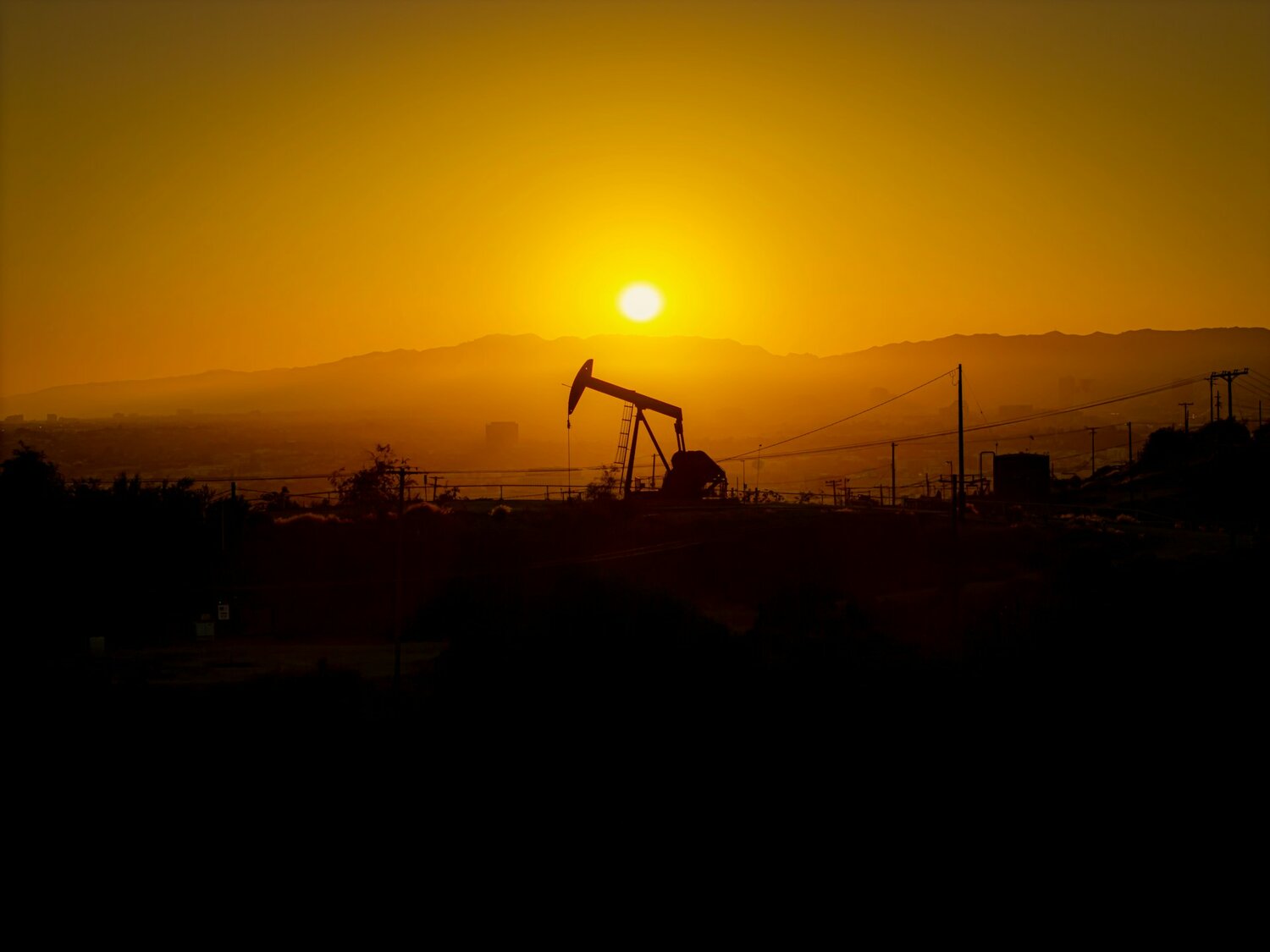
Aging wells often move to smaller operators. New research says these transfers could leave cleanup costs harder to fund.

Tornado damage put Wynne’s wastewater system under pressure. Its rebuild highlights how recovery can support stronger, lower-maintenance infrastructure.

Wildfire smoke and ash degrade Alberta and BC transmission infrastructure far beyond fire proximity. Industrial operators in western Canada face a reliability risk window that starts earlier each year.

Wet bulb temperatures in the Gulf and South Asia are crossing physiological safety limits earlier each year. Most multinational heat protocols are not calibrated to where peak exposure actually occurs.

ABTC’s Nevada recycling facility posted record revenue and positive gross margin. The quarter shows early traction, though expansion risks remain.

A new electrified cement process could cut energy use and emissions. Using waste cement as feedstock, UBC researchers report a possible circular route.

NERC puts 13 of 23 North American grid regions at elevated or high risk. When mutual aid fails because neighboring regions are stressed simultaneously, continuity plans built for single-region events break down.

Fusion is moving from lab work to infrastructure planning. A new UK consortium aims to turn momentum into a bankable commercial power project.

UHERO's 2026 Housing Factbook documents declining condo prices, surging insurance premiums, and new FEMA flood map changes arriving in June that will raise carrying costs further.

New peer-reviewed research finds thermal and electrical demand response can cut energy system costs up to 40% in constrained grids, with low adoption rates still delivering real savings.
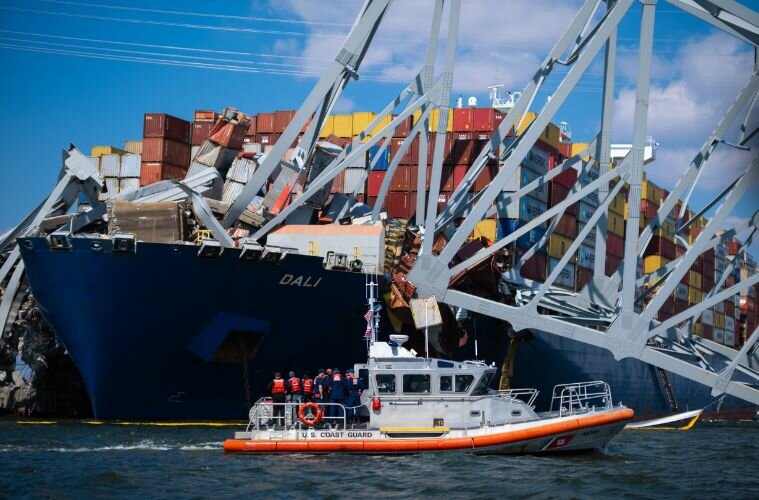
Federal grand jury charges Synergy Marine Group on 18 counts for the MV Dali Key Bridge allision, including six counts of misconduct resulting in death and environmental violations.

The Hormuz closure did not create new risk in corporate energy portfolios. It made visible the risk that was already priced at zero.

Western households are leading energy program adoption. Clearer rates and stronger customer education could help utilities turn interest into grid value.

Antarctic ice shelves act like doorstops, slowing land ice from reaching the sea. New modeling shows hidden channels underneath may speed up melt.

A Rice University PNAS study links El Nino and Indian Ocean Dipole climate patterns to armed conflict onset in drought-exposed regions, with implications for supply chain and operational risk planning.

Interconnection delays are creating PPA delivery shortfalls that finance teams did not model. The cost of sourcing replacement power is showing up as unexplained energy budget variance in 2026.