
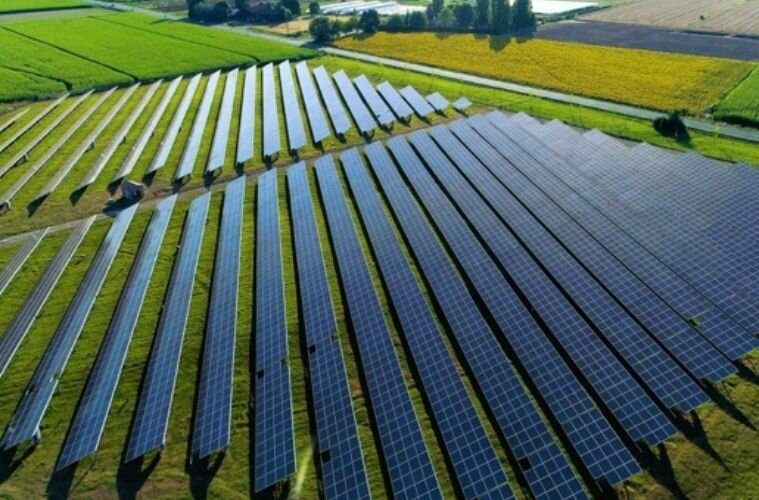
Virginia enacted SB508 April 22, directing Dominion Energy and Appalachian Power to assess unused solar interconnection capacity and pilot storage programs.
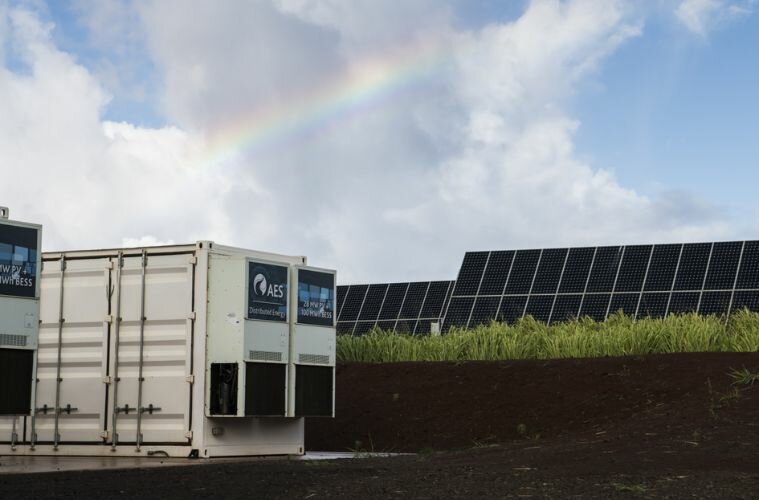
For facilities under grid pressure, on-site generation is no longer primarily a sustainability play. It's the clearest available tool for managing operational risk.

Location decisions that once turned on labor and logistics now carry an energy access dimension most companies aren't modeling. The organizations finding out mid-project are paying for it.

A major convention center doubled solar output without expanding space. Thousands of retired panels were reused, cutting waste and supporting local users.

Virtual PPAs were built for a grid with room to grow. As congestion spreads and basis risk climbs, procurement teams need a new contracting playbook for current grid conditions.

Grid constraints aren't only about regions that need more power. States generating surplus renewable energy they can't export face a different but equally real access problem.

North Carolina is directing $215 million to 66 water infrastructure projects, with most funds rebuilding systems damaged by Hurricane Helene.

After more than 15 years of effort, Ghana has officially designated a 703-square-kilometer marine protected area at Cape Three Points to address fisheries collapse and food security.

Lawmakers push to preserve LIHEAP funding as energy costs rise, warning millions of households face growing utility affordability challenges.

Wisconsin unlocks $125M for PFAS cleanup after years of delay, expanding funding for communities, wells, and stricter drinking water standards.

New research shows water quality data can help identify high-risk abandoned mine sites, improving how agencies prioritize cleanup efforts.

Permit timelines are stretching. Usage caps are being introduced. The regions that were supposed to make the next decade of growth easier are getting more complicated.

Karnataka's new clean energy incubator signals how regional governments are taking commercialization into their own hands rather than waiting for national policy.

Before you finalize your next site decision, understand what uneven water infrastructure is actually doing to U.S. industrial expansion.

BLM approved an Arizona natural gas pipeline using emergency permitting authorities, offering an early look at how accelerated review is reshaping project timelines.

DuPont’s spinoff of Chemours shifted PFAS-related liabilities—but evolving science and stricter regulations revealed the limits of a clean break.

Marine protected areas face rising pollution threats from land. Without wastewater control, ocean protection targets risk falling short.

EPA’s draft CCL 6 adds PFAS, microplastics, and pharmaceuticals to its drinking water watchlist, signaling future regulatory priorities.

NOAA reopens Atlantic monument waters to commercial fishing, boosting U.S. seafood supply while raising environmental and legal concerns.

Water availability is no longer just an environmental issue. For North American facilities leaders, it's becoming an operational and compliance pressure that demands attention now.