
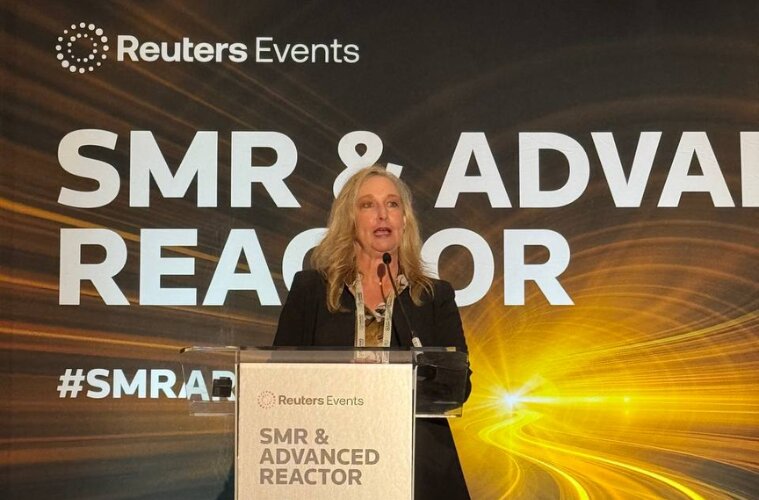
The Vogtle Units 3 and 4 expansion offers critical insights into consortium collaboration, risk management, and the complex realities of first-of-its-kind nuclear construction in the U.S.

Iowa senators voted 27-22 late Monday to pass a bill to limit the ability of carbon sequestration pipelines to use eminent domain, sending it to the governor’s desk after a drawn-out debate.
The U.S. Department of Energy proposes cutting 47 regulations to reduce costs and boost energy production, sparking praise from fossil fuel sectors and criticism from environmental and equity advocates.

New lithium recovery results from Nevada suggest major cost savings. The process could help scale U.S. supply for EV and battery markets.
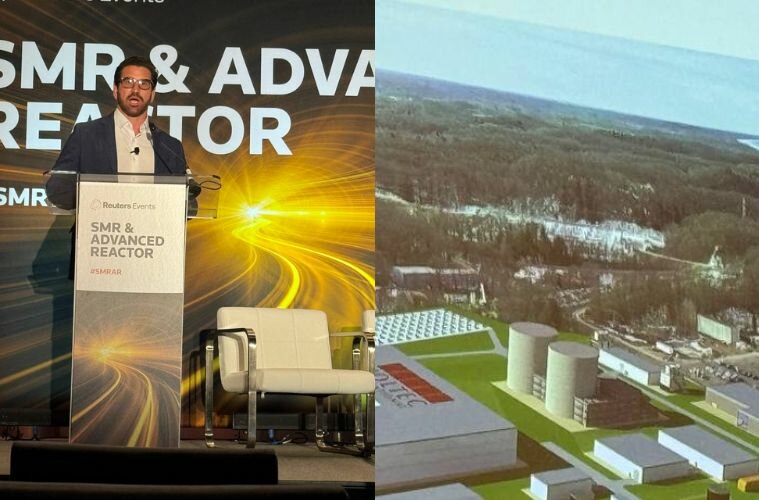
Holtec’s Palisades SMR-300 project aims to become the first SMR operating in the U.S. by 2030, leveraging regulatory progress, workforce development, and strong state support.
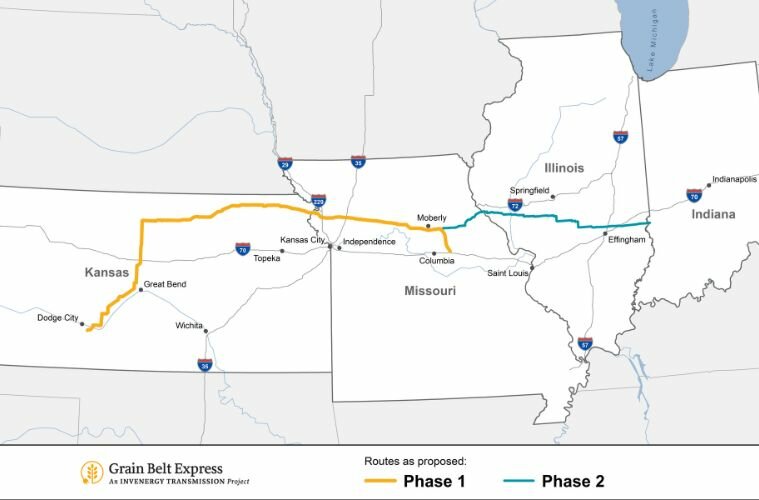
Invenergy’s $1.7B Grain Belt Express aims to modernize U.S. energy infrastructure but faces strong local opposition over land rights and project benefits.

Texas H.B. 2790 advances to limit liability for carbon capture operators, boosting legal certainty for CCS projects. Law could take effect September 1, 2025.
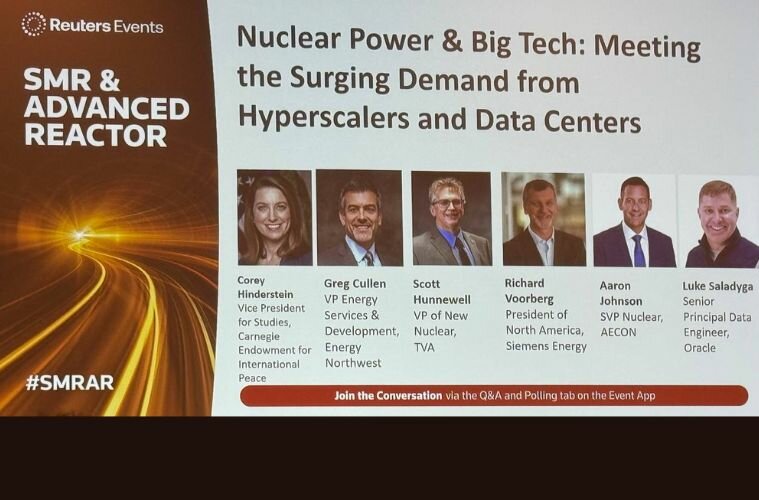
Energy and tech leaders explore how Small Modular Reactors (SMRs) can help meet the surging energy needs of AI-driven hyperscale data centers.
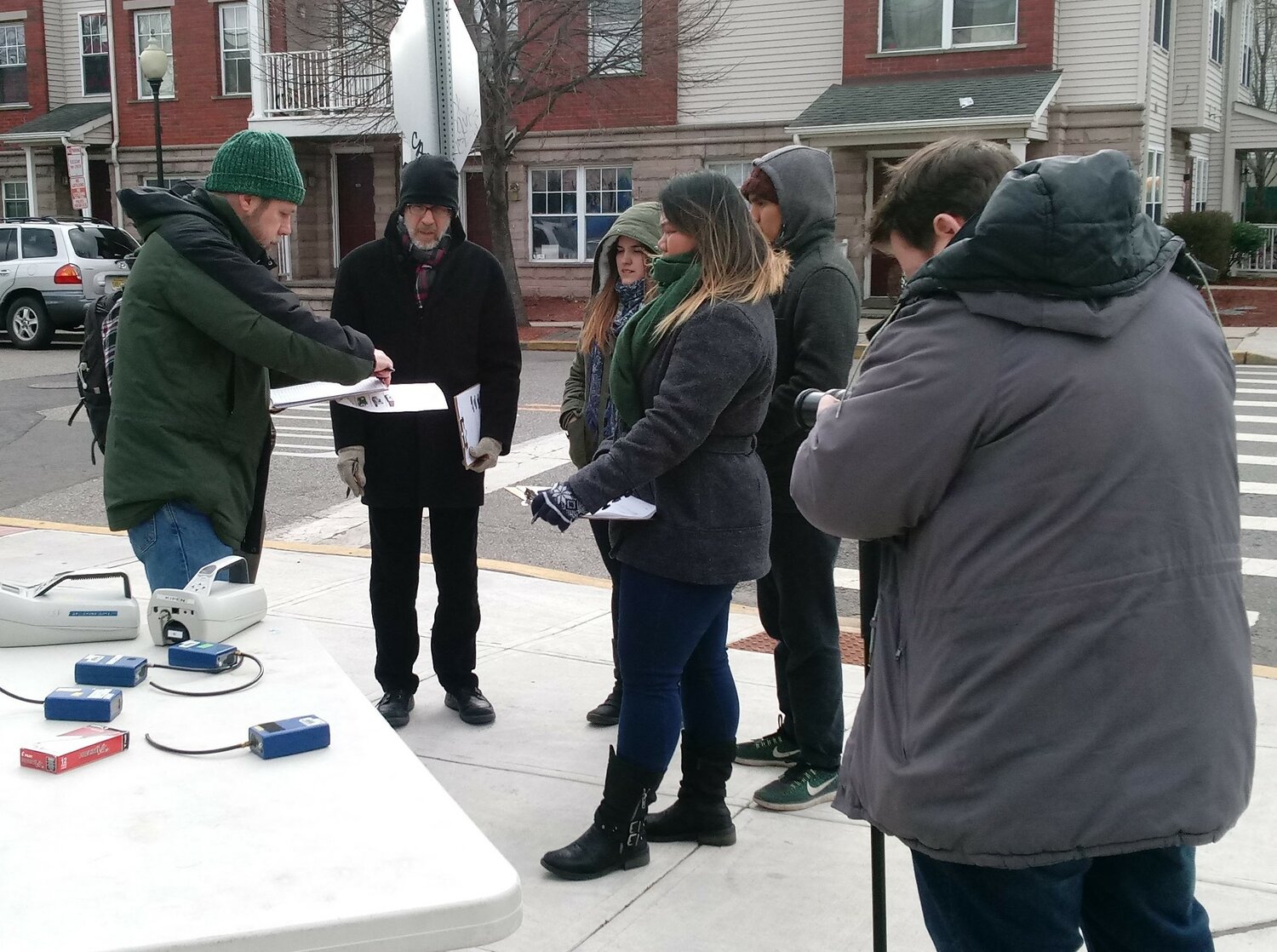
New Jersey communities and scientists are teaming up on air, water, and soil risks. Data-backed efforts are driving real policy change.
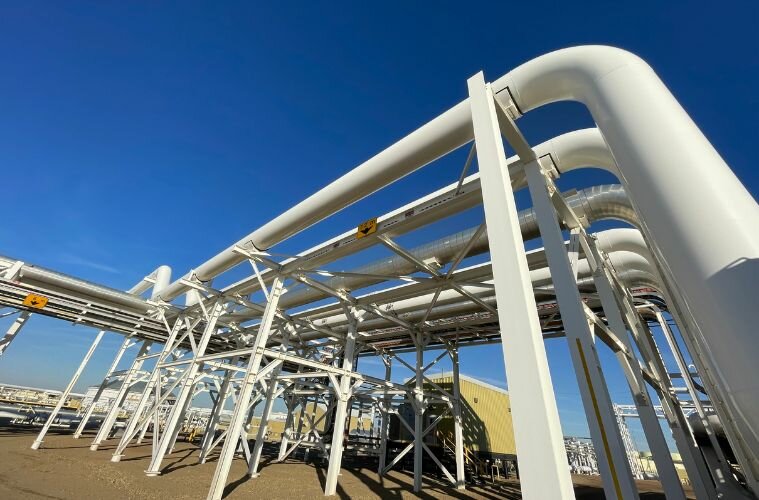
Enbridge reports record Q1 2025 earnings driven by strong pipeline and gas distribution performance, while facing ongoing legal and environmental scrutiny over projects like Line 5.

Cal Poly Pier is now the first DOE-approved open water site under TEAMER, providing critical access to accelerate wave energy technology and marine research.

From coal plant conversions to solar co-location, Georgia Power’s battery strategy highlights the evolving role of storage in utility-scale energy planning.
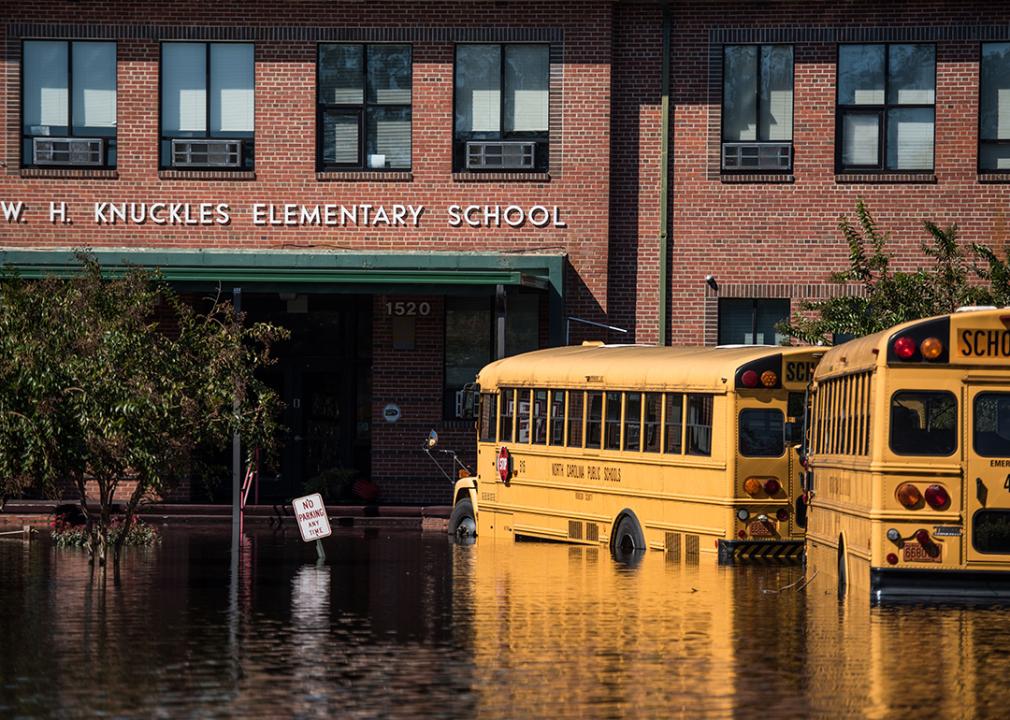
Grist explains the serious feelings students have about climate change and that most teachers don't know how to help.
A newly introduced bill in Rhode Island aims to ban products with intentionally added microplastics by 2029 while advancing state-led testing and strategy to address environmental and health risks.
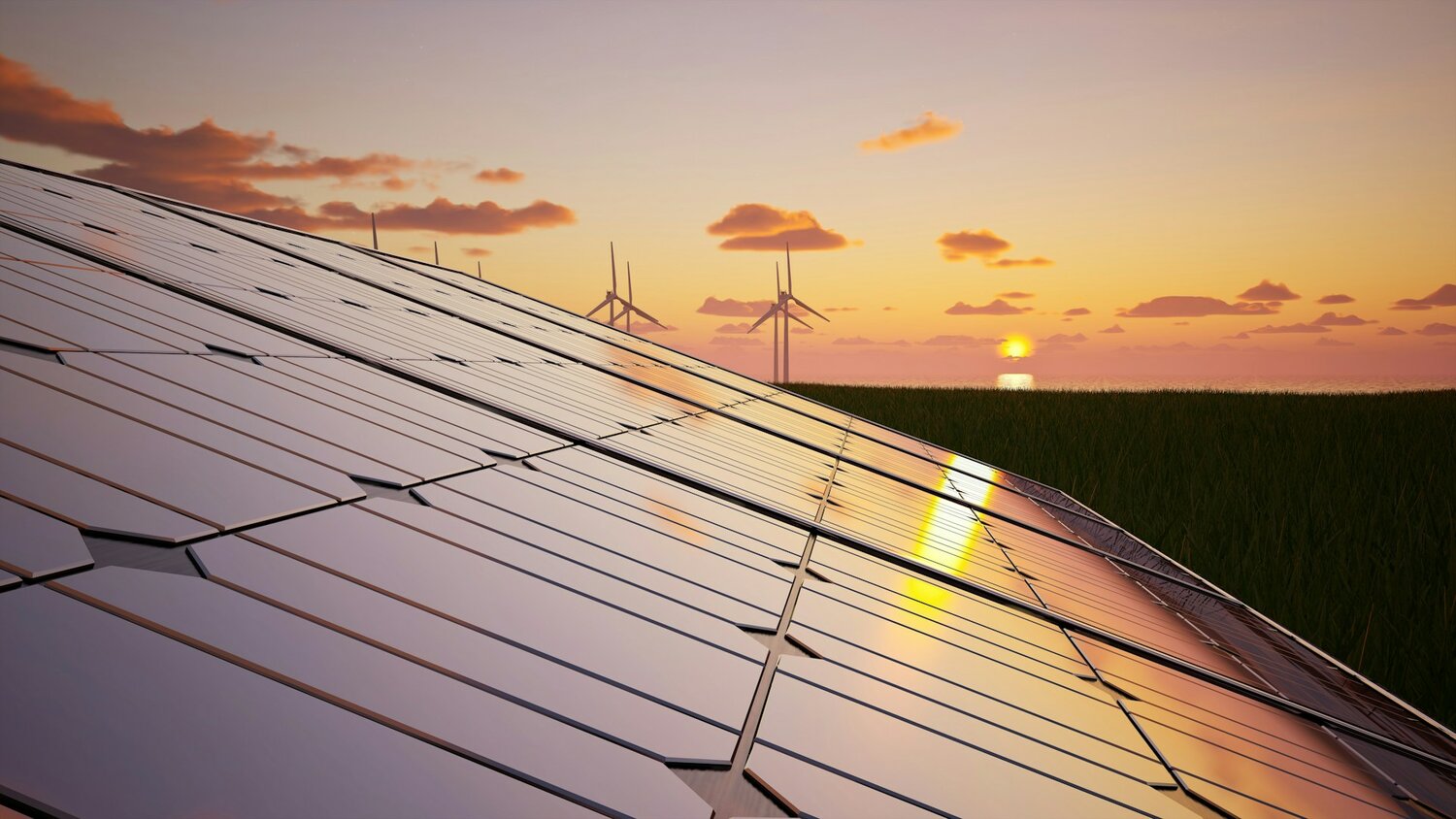
2024 Impact Report reveals 46 MW of new solar projects and strong community involvement, with operations now extending across 13 states.

A new study finds metal levels in Adirondack lakes have dropped by 90%. Researchers credit long-term environmental policy for the rebound.

In the wake of recent natural disasters, state leaders across the country are finding that emergency support from the federal government is no longer a given.
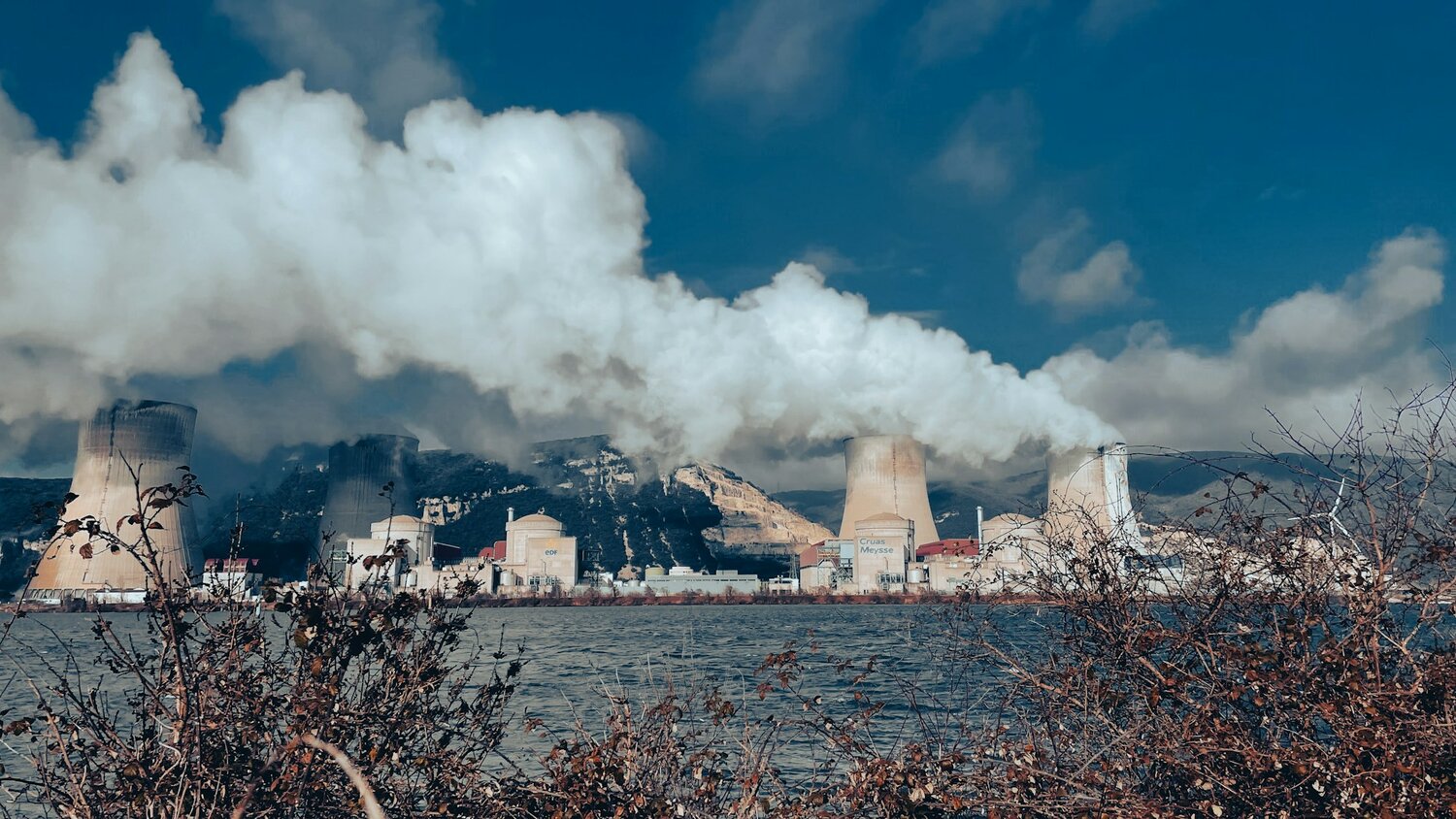
Global nuclear capacity is growing fast, driven by SMRs and energy goals. Asia’s rapid buildout is shifting the power map.

With a new directive, Trump accelerates U.S. entry into deep-sea mining, challenging U.N. efforts to regulate the emerging industry.
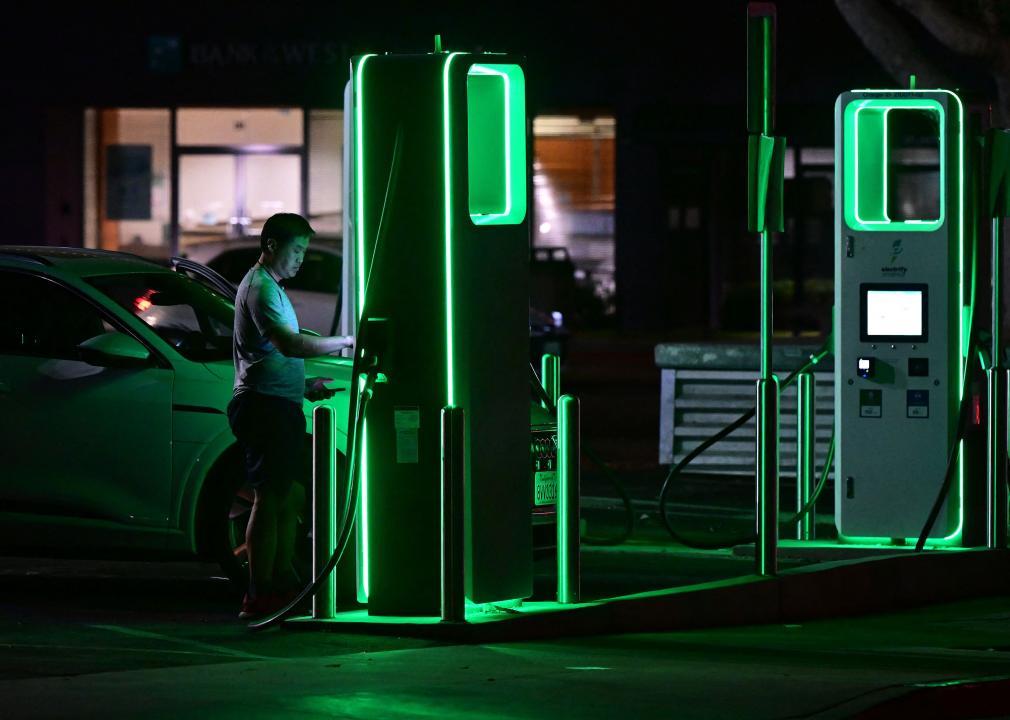
Using data from the Department of Energy and Tax Foundation, Stacker ranked states from the least to most hospitable for electric vehicle ownership.