

The CDC will hold a public January 28, 2026 meeting of its radiation worker health subcommittee to review dose reconstruction procedures and related documents.

The Supreme Court will hear a case testing whether federal agencies exceeded their authority, a ruling that could affect future regulatory and ESG enforcement.

Ohio’s new gas rate law allows utilities to negotiate large-load contracts while isolating infrastructure costs—reshaping risk for executives, finance, and energy buyers.

United Rentals scales an AI-powered maintenance platform with AWS to speed repairs, improve fleet utilization, and support safer equipment servicing.

UNCW has fully eliminated plastic from residential dining takeout. A new stainless steel system is cutting waste, saving costs, and boosting student engagement.

Battery storage surged past 5 GW in Q3 2025, outpacing last year’s total. With demand rising, storage is now key to keeping the U.S. grid stable and flexible.

A new report shows Kentucky could cut $2.6B in energy costs by shifting from coal to clean energy. Delaying the transition may lock in higher utility bills.

Claros and Daikin have completed a large-scale PFAS destruction run. The system treated over 170,000 gallons of process water in an active plant setting.

Clean hydrogen is emerging as essential U.S. infrastructure, shaping trade competitiveness, manufacturing resilience, and emissions performance in carbon-constrained markets.

Pennsylvania House narrowly passes HB 505, expanding utility energy efficiency, resilience, and conservation requirements with major implications for grid planning.

A PwC study finds restarting the V.C. Summer nuclear project could generate billions in GDP, support 10000 jobs, and strengthen South Carolina’s energy infrastructure.

Seventeen states sue USDOT over reversing federal transportation performance standards, arguing the move disrupts infrastructure planning and long-term investment.

Big Oil brands itself as climate-conscious, but emissions cuts and clean energy spending still lag. For business, the gap between words and action is a risk.

Albuquerque’s treecycling program diverts organic waste, reduces methane emissions, and provides free mulch for residents while supporting erosion control efforts.

AKFA Aluminum Solutions will open its first U.S. manufacturing facility in Kentucky, investing $80 million and creating 331 jobs in sustainable aluminum production.

Coal is declining in the West but expanding fast in Asia. A small group of markets and players now holds the power to shape global emissions for decades.
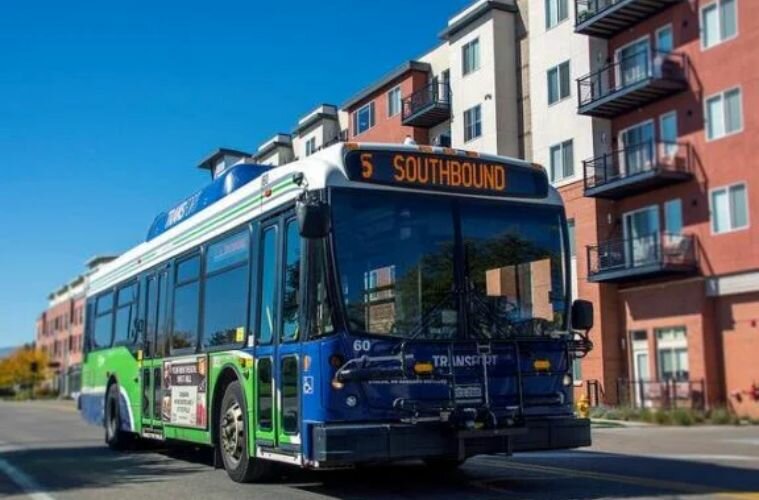
Fort Collins Transit will replace six aging CNG buses with FTA-funded low-emission models, improving service reliability and reducing NOx and PM emissions.

Minnesota’s new PFAS rule requires manufacturers to report intentionally added PFAS by July 1, 2026, with detailed product data, fees, and annual updates.

Wisconsin allocates $159M to replace lead service lines, focusing on small and disadvantaged communities and accelerating statewide clean water infrastructure upgrades.

Massachusetts advances a bill to establish home energy efficiency ratings, requiring standardized assessments and disclosures for home sales and leases.