

A new electrified cement process could cut energy use and emissions. Using waste cement as feedstock, UBC researchers report a possible circular route.

A convergence of policy changes, carbon pricing, corporate decarbonization pressure, and rapid growth in corporate PPAs is reshaping how companies operating in Japan evaluate electricity procurement.

A Utah-Japan pilot will test tungsten recovery from old mine tailings. The project could support cleaner critical mineral supply chains.

What do industrial operations leaders heading into contract renewals in 2026 need to know?
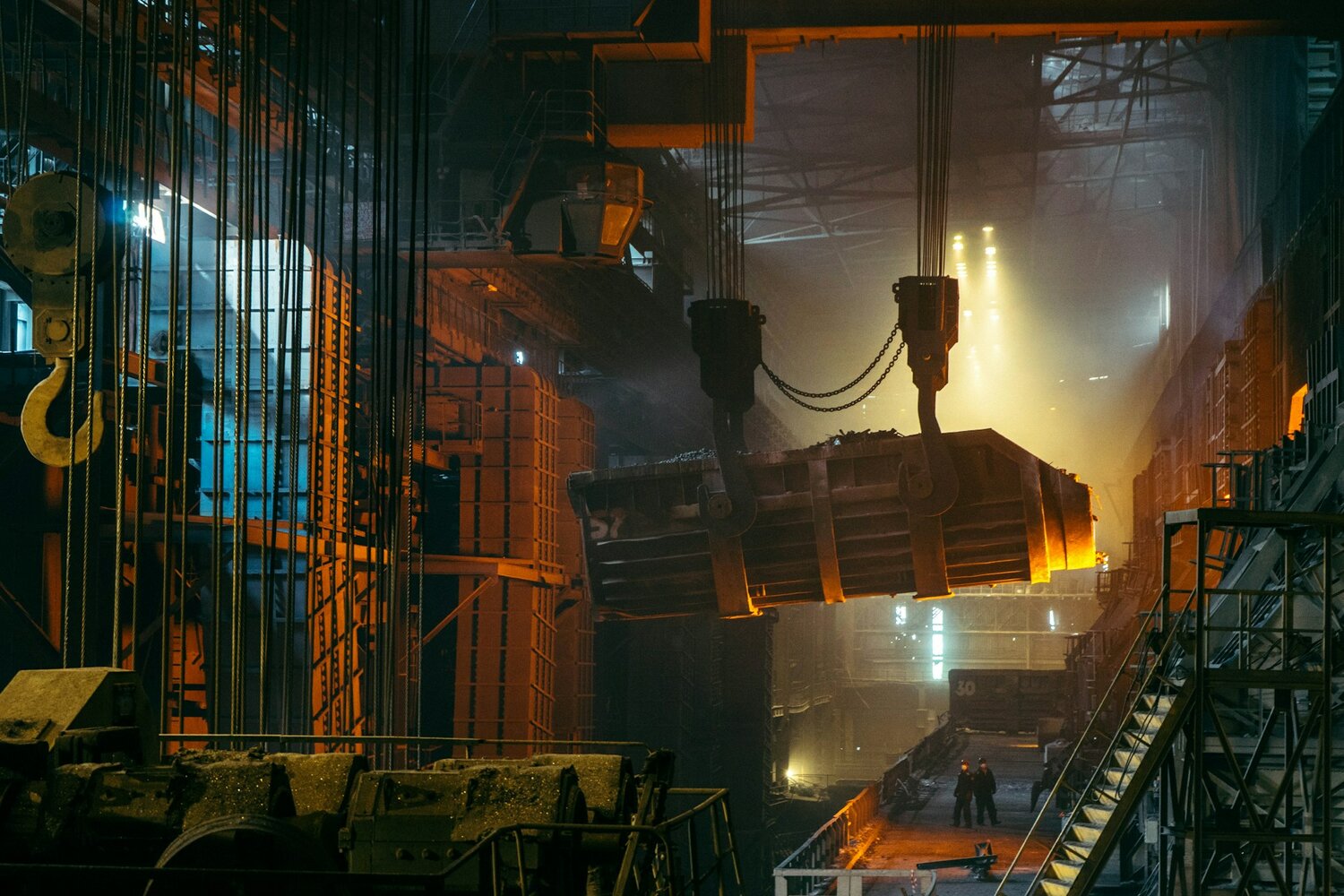
SANY is scaling local production as global equipment rules tighten. Its 2025 report links electrification, digital oversight and compliance.

Durham's Society 5.0 model shows how integrated infrastructure intelligence is becoming a material factor in corporate investment and workforce decisions in 2026.

The Hormuz closure did not create new risk in corporate energy portfolios. It made visible the risk that was already priced at zero.

Terra is moving low-carbon cement closer to market. Its Texas plant could show whether cleaner concrete can scale without major supply chain disruption.

Claros reported high PFAS destruction in concentrate from a Minnesota site. The results point to growing interest in capture-and-destroy remediation models.

The cost of not investing in climate health systems is quantifiable, and the financial return on investing in them is exceptionally high.

FYUL is tightening supply chain visibility with TrusTrace. The move comes as brands face rising pressure for product-level proof.

BioMADE is backing 14 projects with $21.4M in funding. The focus is practical: recover critical materials, improve bio-based production and train workers.

Polartec is standardizing black fleece to reduce redundant dye work. The move could help outdoor brands simplify sourcing and cut waste.

Mosaic SoC has raised $3.8m to support lower-power spatial awareness. Its chips target wearables, AR glasses and phones where battery life is critical.

Researchers test a vibration based method to scale graphene production with lower energy use. Soon results show faster output and less environmental trade offs.

Crab shell waste may help control how bioplastics degrade in seawater. The approach could improve durability while supporting circular material use.

The GHG Protocol's Land Sector and Removals Standard takes effect January 2027. Its carbon opportunity cost methodology could significantly alter how biomass emissions are reported.

Industrial facilities are restructuring shift schedules around grid availability. In high-congestion markets, load flexibility has become a condition of grid access, not just a revenue opportunity.
ETI has launched a hydrogen truck for long-haul freight. It tests whether fuel cells can handle payload, range, and refueling limits at scale.

Usalco and Shannon Chemical are expanding corrosion control capabilities. The partnership combines treatment chemistry with data tools and national reach.