

Reusable cup systems are showing up at more stadiums and festivals than ever — but strong sustainability intentions keep running into the same wall: operations. Without the right infrastructure, even well-funded reuse programs struggle to get cups back.
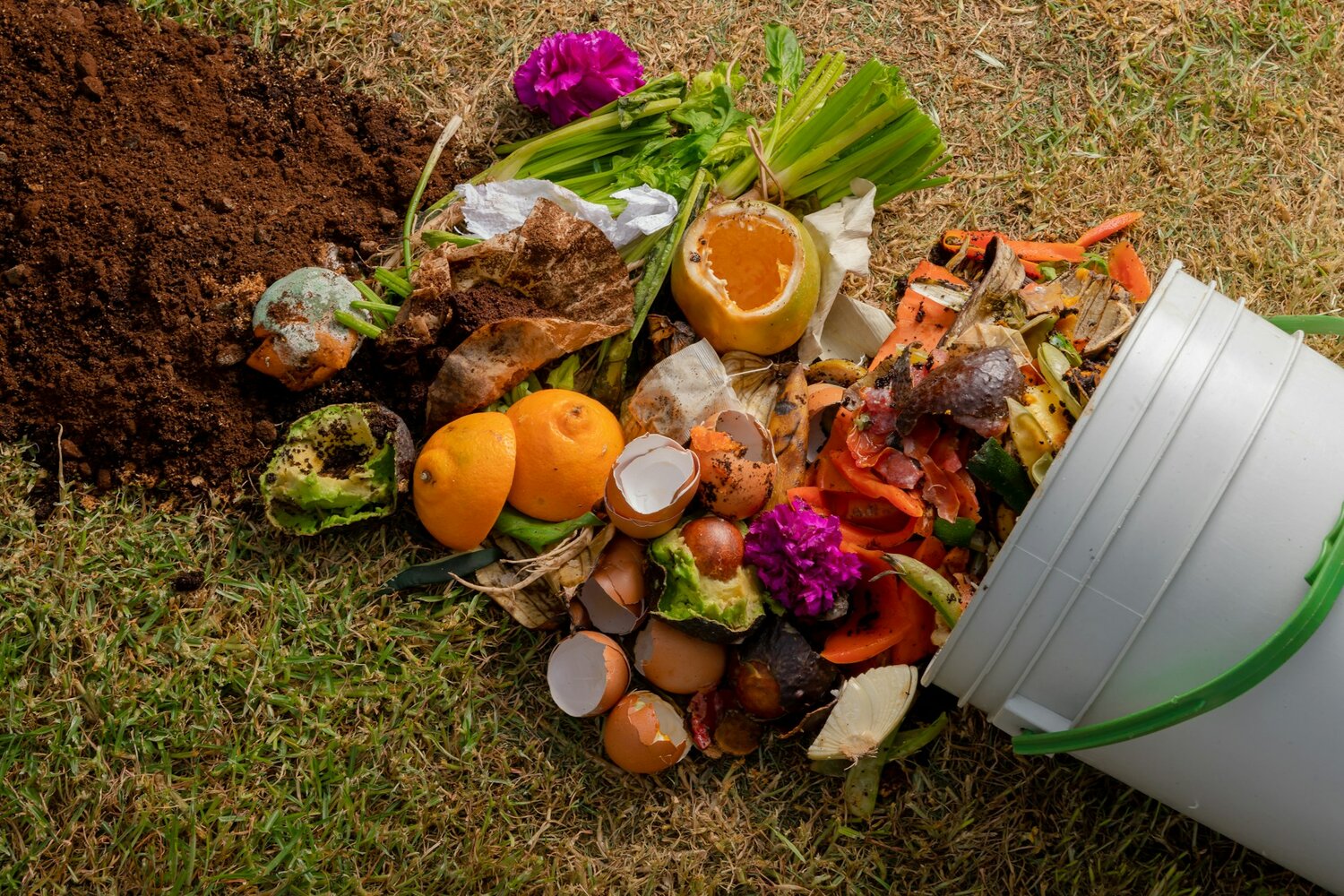
Waste is moving from disposal cost to business asset. Circular systems can turn plastics, sludge and organics into energy, materials and resilient supply chains.
Idaho's April trade mission to Japan and Micron Technology's accelerated Boise fab timeline are positioning the state inside the semiconductor and AI supply chain buildout reshaping U.S. industrial geography.

The regulatory framework for industrial radiography involves multiple federal and state agencies, dose limits that carry criminal exposure if violated, and compliance failures specific enough that inspectors arrive with a checklist most field crews have never read.

OSHA's enforcement priorities have shifted, inspection weighting has evolved, and heat illness citations are expanding without a finalized federal standard, leaving many EHS programs misaligned with how inspections are actually being conducted in 2026.

The October 2026 TSCA reporting deadline and July TRI filing date are pulling PFAS into active regulatory scrutiny. Most facility programs are not ready for what follows the filings.

The numbers coming out of that program are not trending in a good direction, and the state's public dashboard is now one of the more detailed occupational disease tracking tools available anywhere in the country.

Texas, Nebraska, Iowa, and West Virginia filed coordinated lawsuits against Institutional Shareholder Services, alleging the firm embedded ESG mandates into proxy recommendations while marketing itself as a neutral financial advisor.

While administrative civil cases are resolving more leniently, criminal enforcement produced its highest defendant count since fiscal year 2016 and resulted in forfeiture exceeding $1 billion in illegal proceeds.

PIMCO's 2025 Sustainable Investing Report covers $645B in sustainability strategies, 1,300-plus corporate engagements, and expanded ESG and climate frameworks across fixed income.

The California ISO Board of Governors approved 38 transmission projects totaling $6.7 billion to meet rising load demand and expand access to renewable energy basins across California by 2035.

A UN carbon market decision this week reopens the most scandal-prone credit category in market history. Sustainability teams holding older credits need to review them before auditors do.

DJI Agriculture's 2025 industry report tallies 51 million tons of cumulative CO2 reductions and 410 million tons of water saved from over 600,000 deployed drones globally.

Anderon will initially focus on wafer fabrication for superconducting qubit technology and supporting electronics, with plans to expand into other quantum computing approaches over time.

C40 Cities and UN-Habitat's Urban Planning Accelerator launched at the World Urban Forum with 33 cities committing to compact, climate-responsive development by 2035.

The move toward Iceland, Norway, and northern Canada is being driven by cooling physics and long-term climate trajectory as much as by renewable energy access.

Firefly, the Bristol-based sustainable aviation fuel developer, has partnered with Turkish engineering firm Altaca to secure the final upstream technology needed to bring its sewage-derived jet fuel to commercial scale.

As heat seasons grow longer and grid stress events hit more frequently, the transition points that were always the weakest links in temperature-sensitive logistics are failing at higher rates.

GAIA BioMaterials has gained European patent approval for PLA-free film materials. The compounds target compostable bags, aprons and other flexible uses.

The EPA proposed rules on May 18 retaining PFOA and PFOS drinking water limits while rescinding standards for four other PFAS. Compliance shifts to 2031 opt-in, and nearly $1B in new grants rolled out this week.