
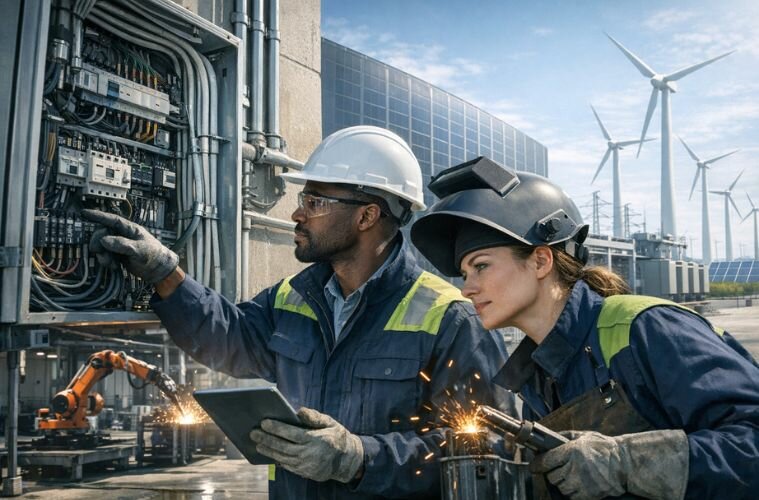
Trump's reshoring push, AI disruption, and a 500,000-worker skilled trades gap are converging — and infrastructure decarbonization is caught in the middle.

Air conditioning demand is set to surge by 2050. That growth could rival major national emissions, tightening the link between cooling, equity, and climate risk.

USGBC-led coalition launches a national HVAC pilot program to help 12–15 school districts improve indoor air quality and modernize aging systems.

New UNEP findings show 2.3–2.5°C warming projections and a $365B annual adaptation funding gap, reinforcing climate exposure as a structural capital risk variable.

Persistent swings in natural gas and electricity markets are becoming embedded in supplier contracts, altering procurement strategy and long-term cost planning.

As aging systems converge, maintenance backlogs are creating capital risk, execution constraints, and valuation pressure.

Building upgrades are moving faster than grid and water infrastructure can expand—creating a growing capital risk few models fully capture.

Data centers are testing ways to shift and shape power use in real time. As AI ramps up, flexibility could become key to scaling without grid delays.

When expected generation fails to materialize during periods of rapid demand growth, costs and reliability degrade quickly — and the effects cascade across wholesale and retail markets.
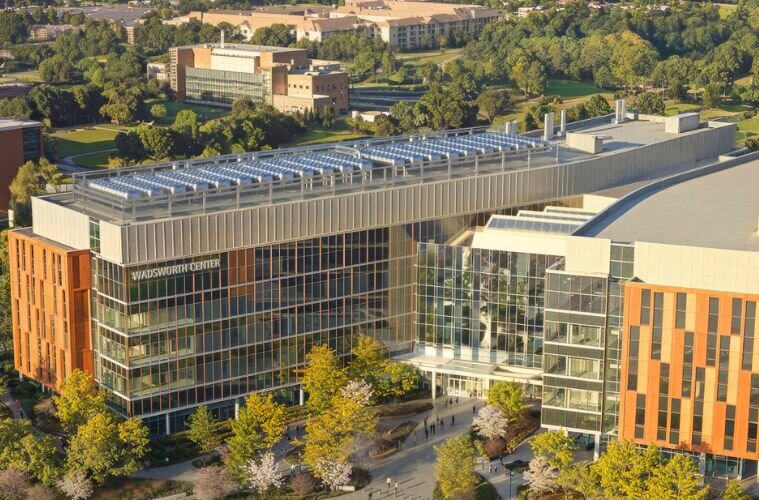
New York has begun construction on a $1.7 billion Wadsworth Center laboratory, consolidating public health testing infrastructure to strengthen long-term preparedness and resilience.

A compact storage system from Birmingham researchers could help commercial buildings cut emissions by converting surplus electricity into flexible thermal energy.

Research highlights how indoor air risks tied to human activity often bypass formal regulation, leaving organizations to manage exposure internally.

Facilities teams are encountering regulatory, design, and execution constraints earlier than expected—turning resilience investments into an unpriced cost of 2026 strategy.

A federal court vacated Detroit’s ozone redesignation, restoring Moderate controls and raising new compliance considerations for 2026 infrastructure projects.
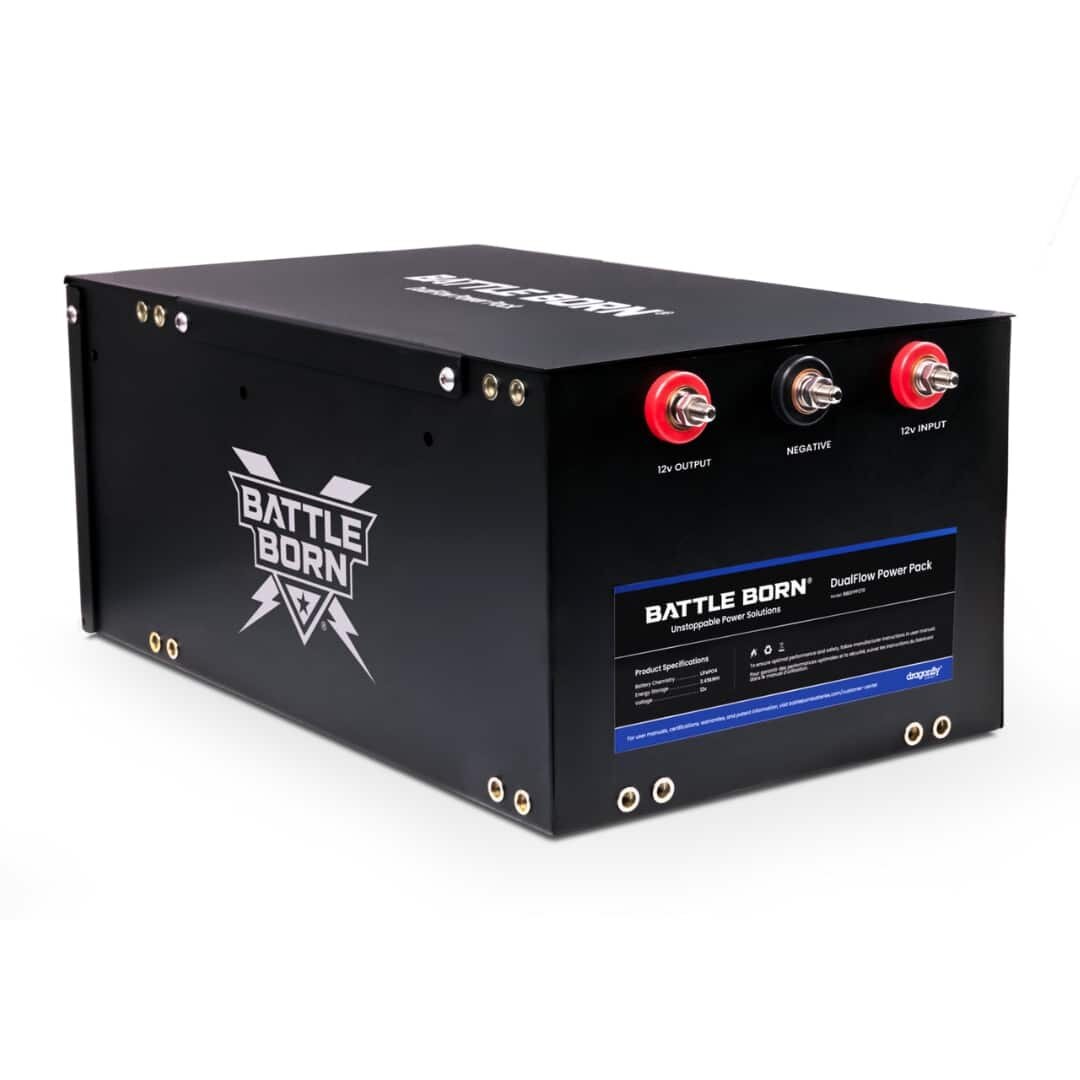
Werner Enterprises is adopting lithium idle-reduction units from Dragonfly Energy. The move supports lower fuel costs, emissions, and better driver comfort.

Global energy-transition investment hit $2.4T in 2024, but renewable growth slowed sharply, raising concerns about staying on track for 2030 climate goals.

U.S. clean-tech hits pause as Europe ramps up green funding. With retrofits on hold, AI-based building optimization is emerging as a practical alternative.

RETROFIT NJ will fund deep energy upgrades for large buildings statewide. The $75M program supports decarbonization and prioritizes underserved areas.

Vermont awards $3.5 million in CDBG and Recovery Housing funds to support housing, ADA compliance, and infrastructure upgrades in 11 communities.

HYTING's hydrogen heat generator ran 2,500 hours with no failures, proving long-term reliability. Zero emissions and low maintenance make it ready for industry.