
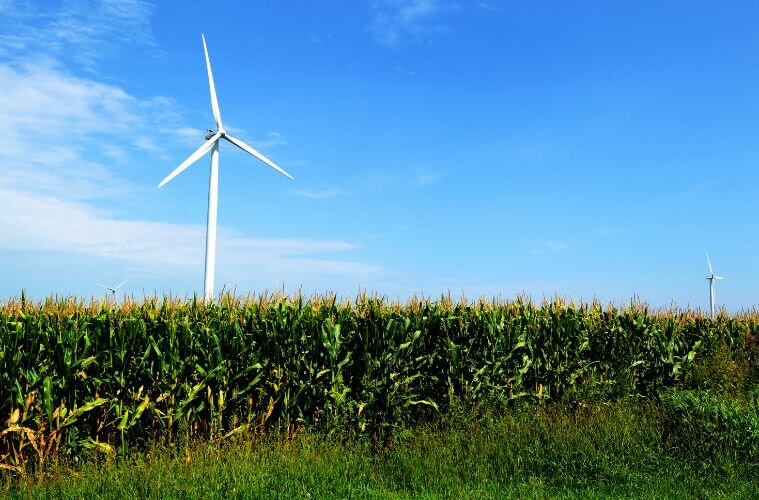
Illinois HB1700 expands state authority over renewable energy siting disputes, signaling a broader shift toward accelerating project development.
For years, uncertainty justified delay. Increasingly, uncertainty itself is becoming the cost organizations can no longer afford to absorb.
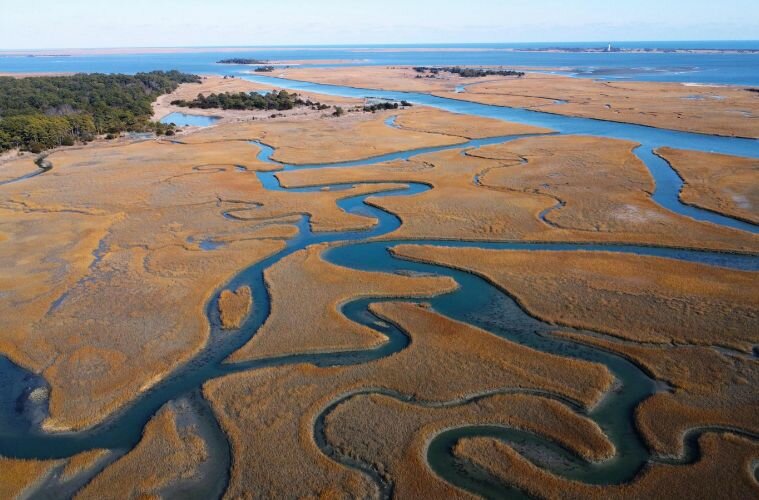
BOEM published a Request for Information June 23 on potential seabed mineral leasing off Virginia, covering 2,764 square miles near Chesapeake Bay. Comments close July 23.

A structural cost coverage gap in the EU's Extended Producer Responsibility framework is leaving recyclers underfunded, just as the Circular Economy Act opens for reform.

The biggest risk entering H2 may not be execution. It may be relying on planning assumptions that no longer reflect operating conditions.

Grid capacity limits, water constraints, permitting delays, and capital deployment challenges are increasingly converging on the same projects.
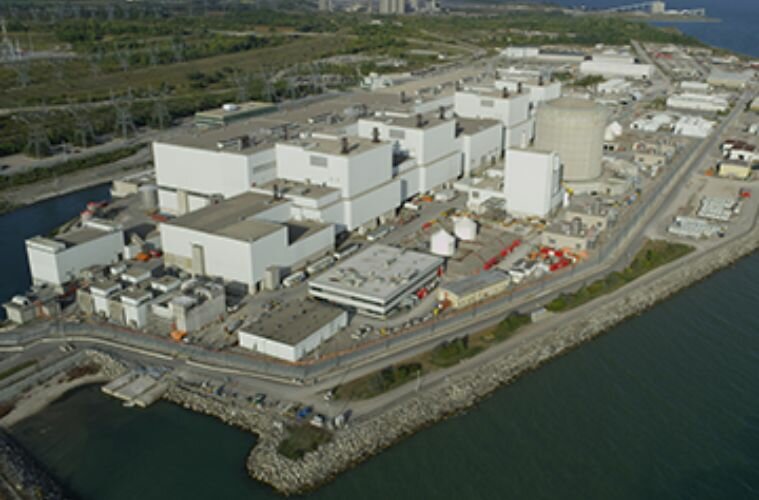
The Williams Treaties First Nations announced a $700 million investment in Ontario's Darlington SMR project, backed by the largest Indigenous loan guarantee ever issued in Canada.
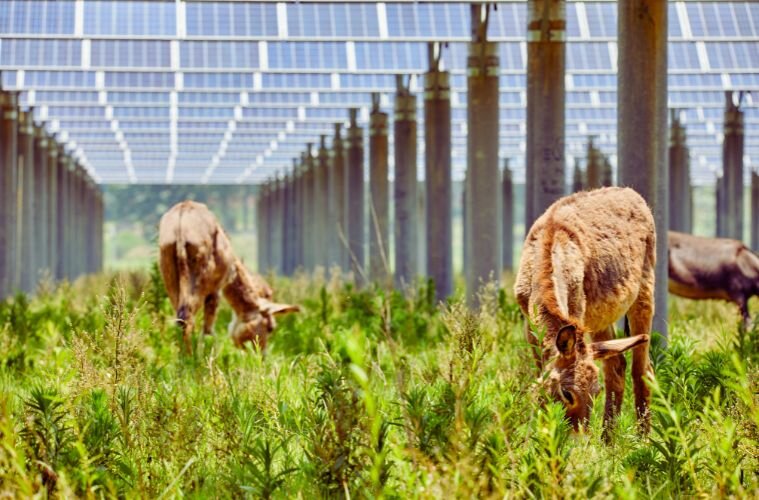
SEIA's new interactive map puts solar's farmland footprint against suburban sprawl and golf courses as Congress debates solar's role in the Farm Bill.

Power, water, permits, and capital are tightening simultaneously on the same projects. Executives need a framework for operating inside converging constraints, not resolving them one at a time.

The UK announced a $63.5 million critical minerals investment, funding rare earth magnet manufacturing, recycling projects, and a new industry demand aggregation platform.

Trade tensions, AI infrastructure growth, and resource constraints are forcing executives to rethink assumptions about supply chains and competitive advantage.

The EEA's 2025 bathing water report shows 85% of EU sites rated excellent, but river quality lags and new EU rules expand monitoring for PFAS and microplastics.

EHS, facilities, procurement, and sustainability each left something unresolved in Q2. Here is what each function needs to close before the second half starts.

Capital stalled, compliance maps got harder, and supply chain pressure formalized. Executives who planned for Q2 resolution need a different framework going into the second half.

The Global Environment Facility's latest funding cycle prioritizes biodiversity, climate resilience, water management, and clean energy projects through 2030.

Climate litigation, conflicting regulations, and unresolved ownership rules are creating new obstacles for voluntary carbon markets just as corporate demand is expected to grow.

The Justice Department seeks dismissal of an NAACP Clean Air Act lawsuit against xAI, raising broader questions about enforcement authority and AI infrastructure.
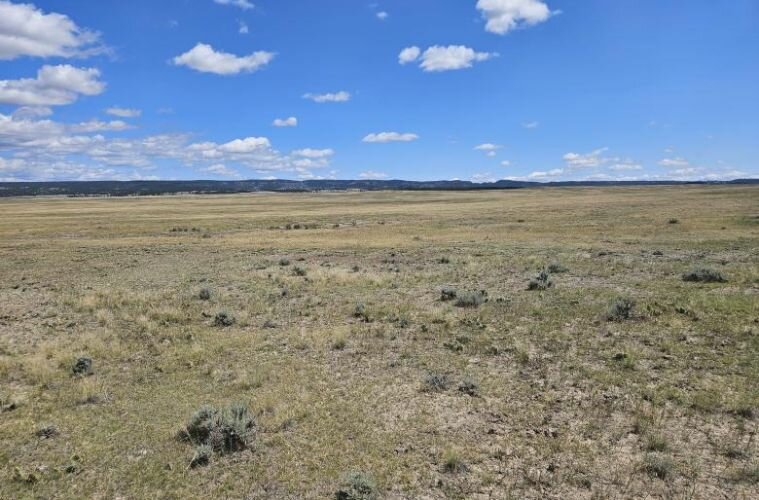
The BLM approved initial infrastructure for the Dewey-Burdock uranium project, advancing a long-debated in-situ recovery development in South Dakota.

A federal appeals court declined to halt a North Carolina water permit for the Mountain Valley Southgate pipeline, reinforcing agency discretion in environmental reviews.
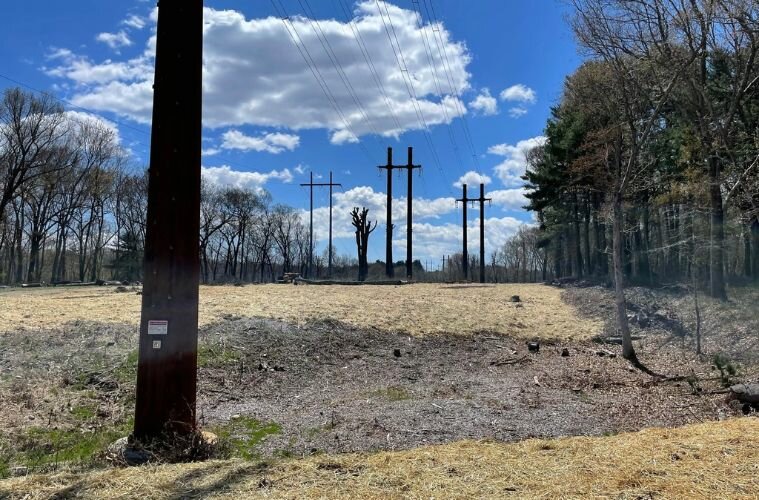
A Rhode Island bill would reopen questions about utility-owned generation, storage, reliability, and who should build the power system needed for demand growth.