

California’s $20M Project Nexus has completed construction on the first U.S. solar-covered irrigation canal, measuring water savings, power generation, and maintenance cost reductions simultaneously.

Verdantix research shows corporate off-site renewable spend growing 34% through 2030. The gap between signing PPAs and managing them is where financial exposure quietly accumulates.

AI infrastructure build-out is running into a constraint capital can't solve: the grid can't deliver megawatts as fast as investment wants to move.

Most organizations have an energy plan. Fewer have a strategy built on current infrastructure realities. The difference will become measurable and expensive over the next 18 months.

Uranium demand is rising, but supply remains slow to respond. A Saskatchewan project is testing whether faster development can help close the gap.

Mars signed a virtual PPA for most of the output from a planned wind farm in Lithuania that doesn't exist yet.
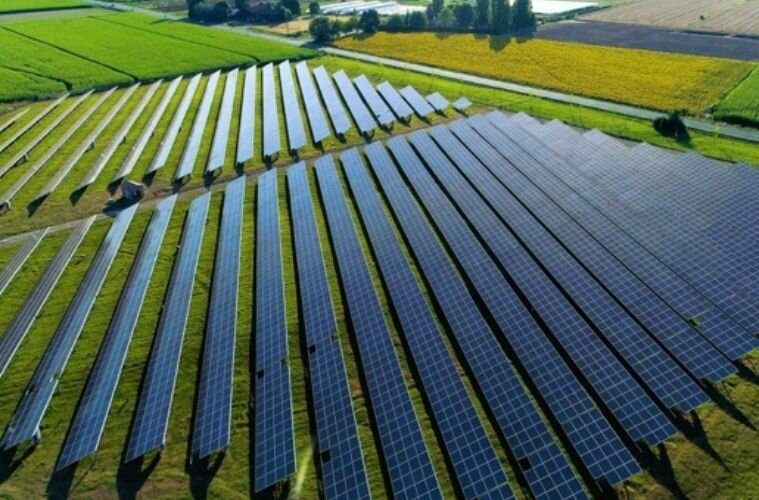
Virginia enacted SB508 April 22, directing Dominion Energy and Appalachian Power to assess unused solar interconnection capacity and pilot storage programs.

Sustainability-linked bonds tied to electrification milestones assume the borrower controls the timeline. Grid access constraints are proving that assumption wrong in a growing number of cases.
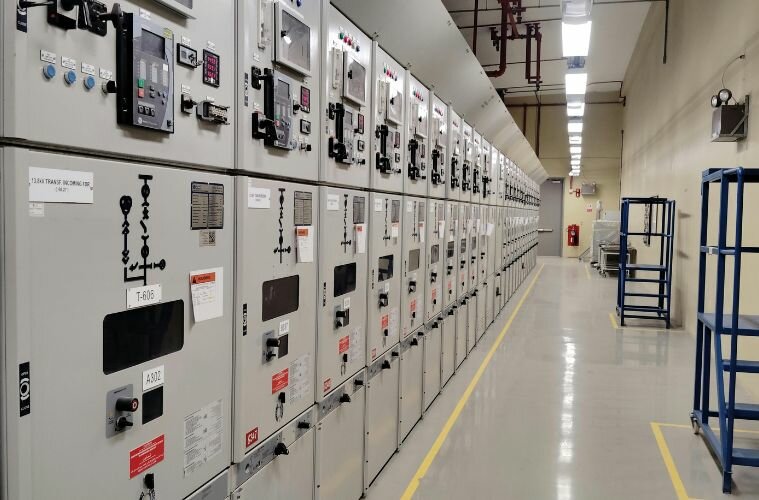
NERC flagged more regions at elevated grid risk than any prior assessment. Demand response enrollment windows are closing. Backup systems need testing before the season starts.

Environmental groups and lawmakers are challenging the Trump administration's offshore wind lease buyout deals, citing clean energy setbacks, job losses, and unresolved legal questions.
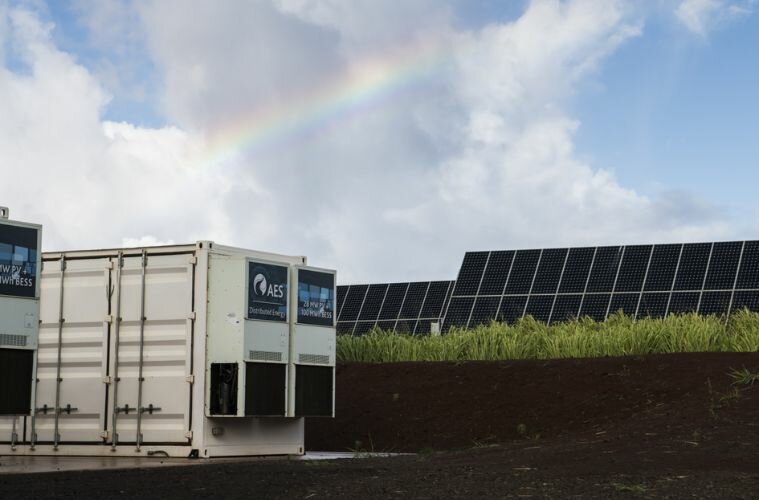
For facilities under grid pressure, on-site generation is no longer primarily a sustainability play. It's the clearest available tool for managing operational risk.

Location decisions that once turned on labor and logistics now carry an energy access dimension most companies aren't modeling. The organizations finding out mid-project are paying for it.

A major convention center doubled solar output without expanding space. Thousands of retired panels were reused, cutting waste and supporting local users.

Connecticut's PURA approved a 14% residential rate decrease for Eversource and United Illuminating customers effective May 1, driven by nuclear contract savings and lower public benefits charges.

Industrial facilities are restructuring shift schedules around grid availability. In high-congestion markets, load flexibility has become a condition of grid access, not just a revenue opportunity.

Virtual PPAs were built for a grid with room to grow. As congestion spreads and basis risk climbs, procurement teams need a new contracting playbook for current grid conditions.

NYC is investing in EV workforce training to keep charging networks running. A Brooklyn program connects hands-on skills with growing job demand.

EPRI and EV Charging POD experts reveal why interconnection timelines, on-site generation, and data gaps are slowing electric vehicle infrastructure.

Grid constraints aren't only about regions that need more power. States generating surplus renewable energy they can't export face a different but equally real access problem.

Grid constraints are moving from operational headaches to financial exposure. CFOs who haven't priced energy access risk into capital plans are already behind.